





 Portuguese
  English
  Spanish
  3 min of reading
  0 comments


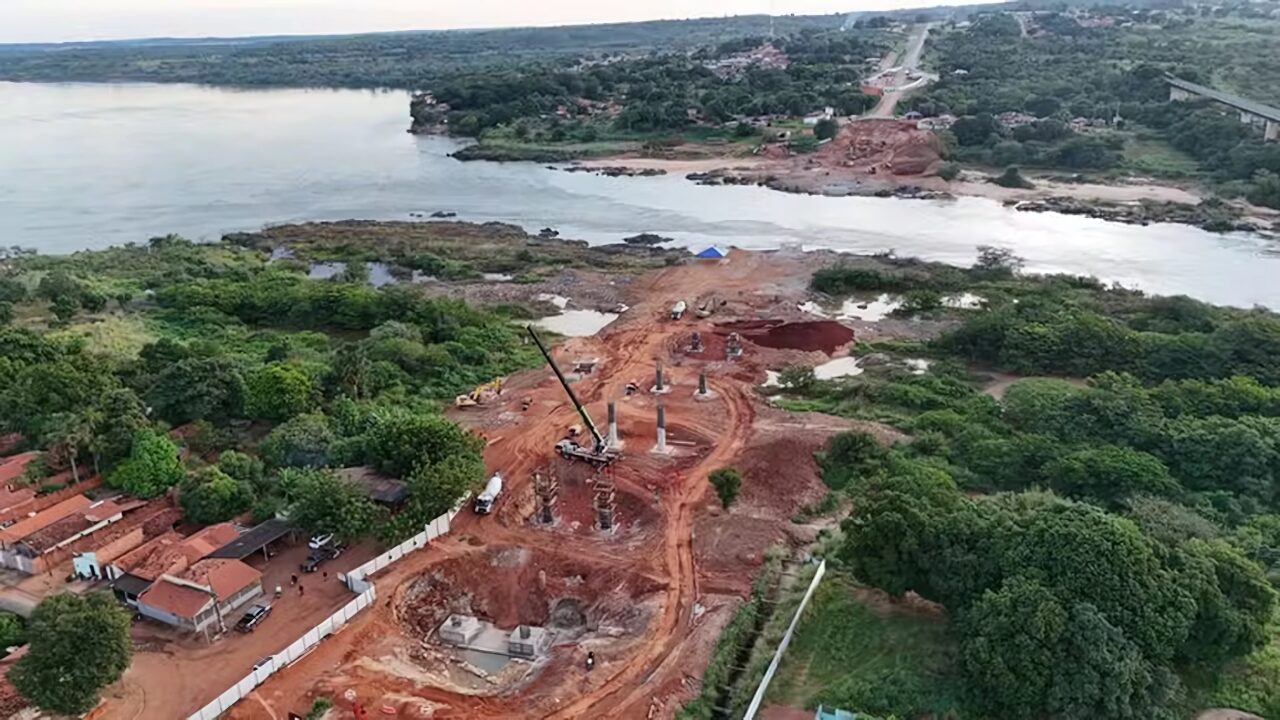
The New Bridge Between Tocantins and Maranhão, With 20% of the Work Completed, Will Replace the Structure That Collapsed in 2024, Bringing Greater Safety and Efficiency, With Completion Expected By December 2025.
The construction of the new bridge that will connect the states of Tocantins and Maranhão, on BR-226, has reached 20% progress, according to information released by the National Department of Transport Infrastructure (Dnit). The structure will replace the old Juscelino Kubitschek de Oliveira Bridge, which tragically collapsed in December 2024, resulting in the deaths of 17 people.
With an expected completion date in December 2025, the new bridge promises to be more robust and extensive, providing greater safety and efficiency for the region.
The Tragic Collapse and the Need for the New Bridge
The collapse of the old bridge, which occurred on December 22, 2024, was a devastating event.
-
Made from recycled plastic, plastic wood is gaining space in the construction industry because it does not rot, resists moisture, and reduces maintenance costs over the years.

-
Florianópolis will receive a million-dollar BRT that will begin construction in 2026 with nearly 400 million in funding from the federal government and the Inter-American Development Bank, and the map already shows the routes for the exclusive bus corridors.

-
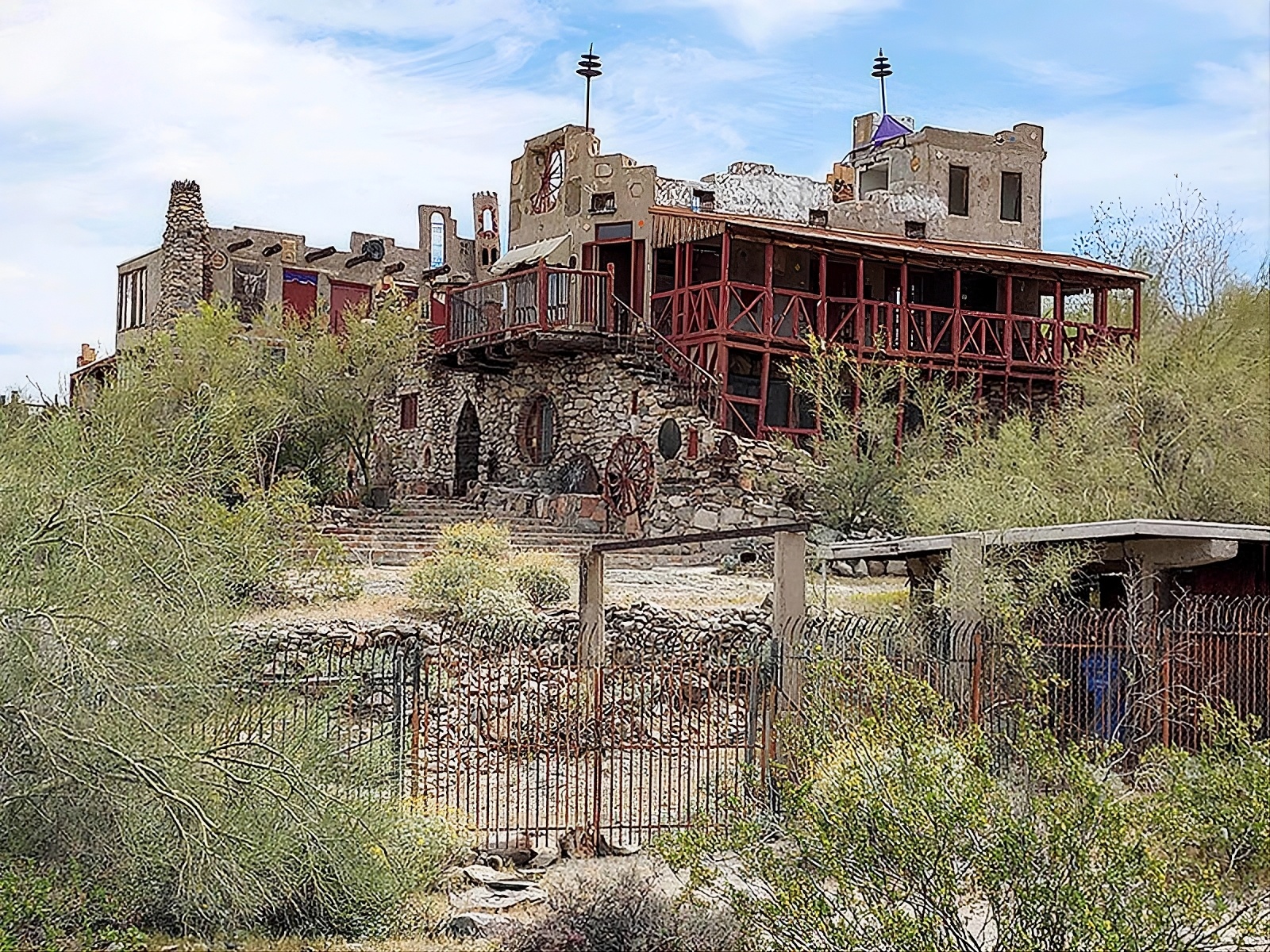
Without a blueprint, without an engineer, and using scrap from the dump, a father spends 15 years building an 18-room castle for his daughter, featuring tram tracks, 13 fireplaces, and over 700 m², which may now be demolished.
-
A megaproject worth R$ 89 billion is advancing in Iraq and promises to change the game in global trade by creating a new corridor between Asia and Europe, reducing traditional routes and repositioning the country as a logistics powerhouse.


On that day, around 2:50 PM, the structure gave way while vehicles were crossing, causing a fatal accident.
At that moment, trucks, cars, motorcycles, and trucks fell into the river, resulting in 14 deaths, three missing, and only one survivor.
The accident received national attention, particularly due to the presence of vehicles transporting hazardous materials, such as sulfuric acid and pesticides, further increasing the risk of the tragedy.
As a result of this tragedy, the federal government’s decision was to construct a new bridge, safer and with better specifications.
The project is being carried out between the municipalities of Aguiarnópolis, in Tocantins, and Estreito, in Maranhão.
Progress in Construction
The National Department of Transport Infrastructure (Dnit) reported that the work has progressed with 20% completion, focusing on various structural stages.
So far, the foundations and pillars of the sections with precast beams have been completed. The project involves the construction of 26 foundations and 26 pillars, with 16 foundations and 12 pillars already finished.
Additionally, one foundation and six pillars are underway, and the expectation is that this phase will be completed by the end of June this year.
The new structure of the bridge will be 100 meters longer than the previous one, totaling 630 meters in length.
The free span will be 154 meters, enhancing the safety and flow of traffic.
With completion expected by December 22, 2025, the federal government will invest R$ 171.9 million in the project, which promises to significantly improve connectivity between the two regions.
The bridge will feature two lanes, each 3.6 meters wide, in addition to two three-meter shoulders.
The project also includes protective barriers, pedestrian walkways, and guardrails at both ends of the deck. These improvements aim to ensure a safer crossing for both drivers and pedestrians.
Demolition of the Old Structure and Expectation for the Continuation of the Work
After the tragic collapse, the remaining parts of the old Juscelino Kubitschek Bridge were imploded in February 2025, using 250 kg of explosives.
The demolition lasted about 15 seconds and was a crucial step to begin the construction of the new bridge.
Now, the work awaits approval for the second phase, which involves the cross braces and the superstructure, as well as the foundations and pillars of the cantilever section.
The Dnit plans to carry out 2,088 precast slabs and 45 precast beams, which will be essential for the completion of the new project.
The development of the work continues with the expectation that the new bridge will bring not only more safety but also greater efficiency in traffic between the states of Tocantins and Maranhão.
Source: g1








Seja o primeiro a reagir!