





 Portuguese
  English
  Spanish
  3 min of reading
  0 comments


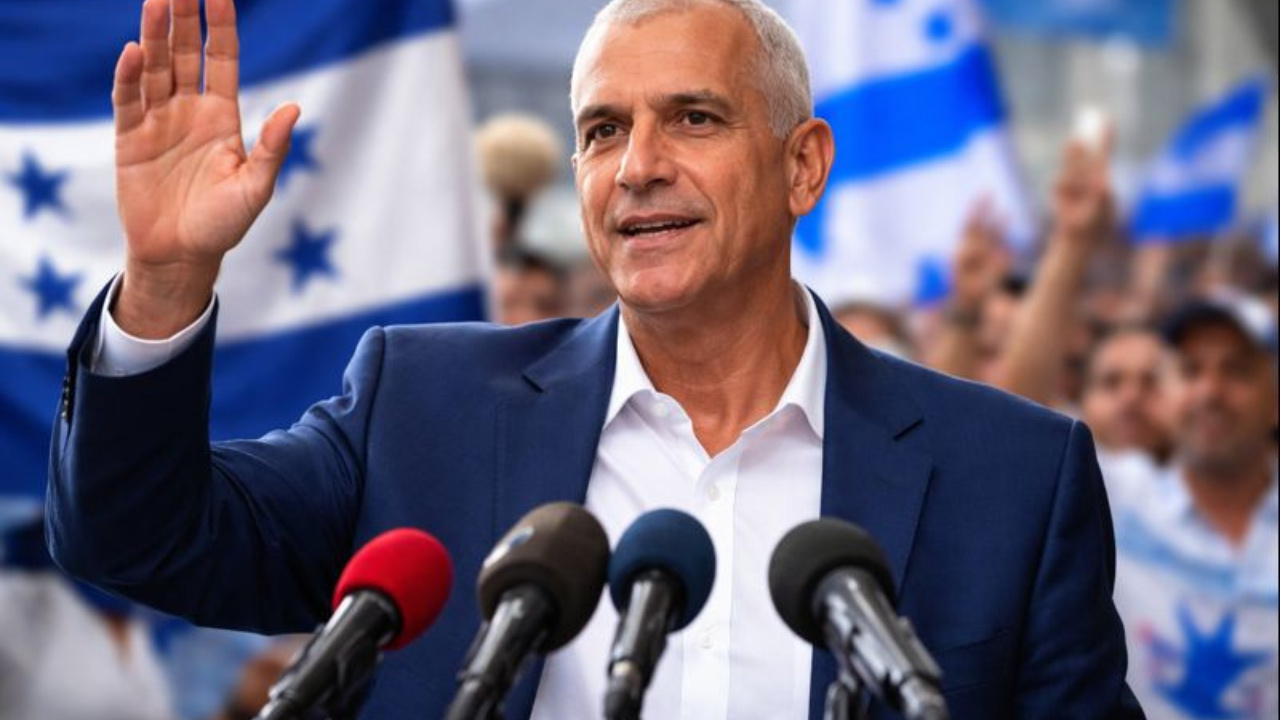
Elected President of Honduras, Nasry Asfura Promises Not to Disappoint the People After Honduran Electoral Crisis.
The elected president of Honduras, Nasry Asfura, sent a Christmas message to the population on Wednesday (24), in which he promised to govern firmly and not disappoint the Hondurans, after an electoral process marked by delays, technical failures, and allegations that intensified the Honduran electoral crisis.
The statement came weeks after the elections in Honduras, held on November 30, whose official result confirmed his victory only after a long period of political and institutional uncertainties.
In his declaration, Asfura sought to signal openness to dialogue and a commitment to national stability.
-
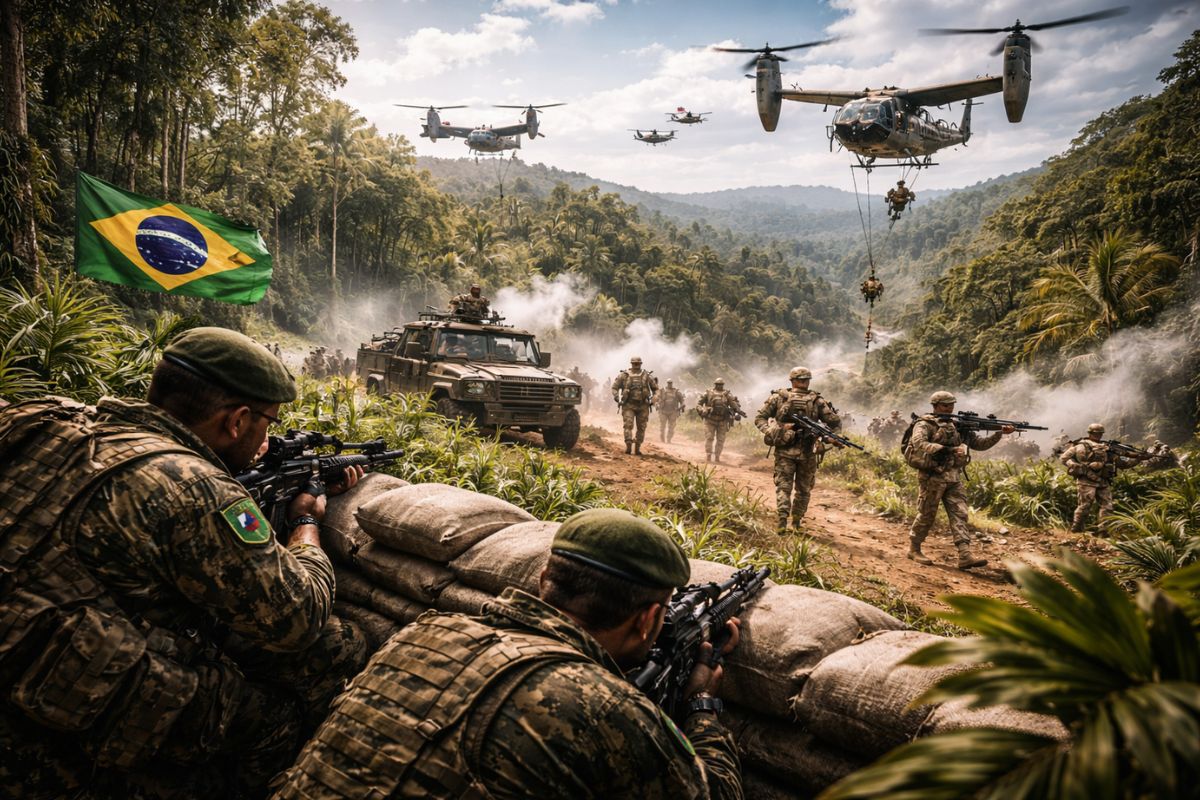
If the USA were to go to war with Brazil, Washington’s greatest fear would not be the attack itself, but facing a vast territory, prolonged resistance, and a costly, chaotic, and unpredictable occupation.
-
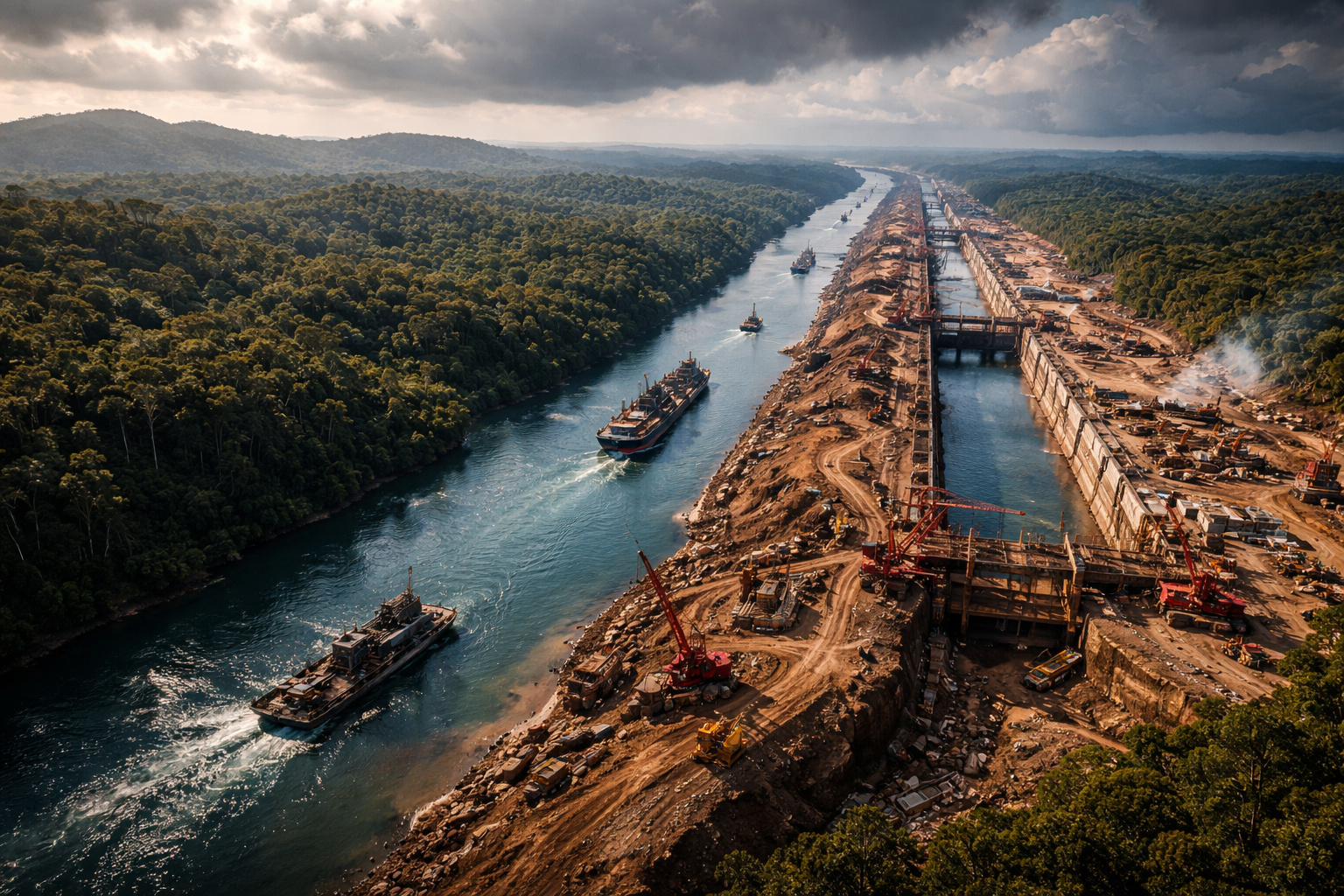
In 2013, Nicaragua sold the concession for a canal to rival Panama to a Chinese billionaire who lost 85% of his fortune, disappeared, and was declared bankrupt. Now the project resurfaces with a new route, a new Chinese partner, and a cost of $64.5 billion.
-
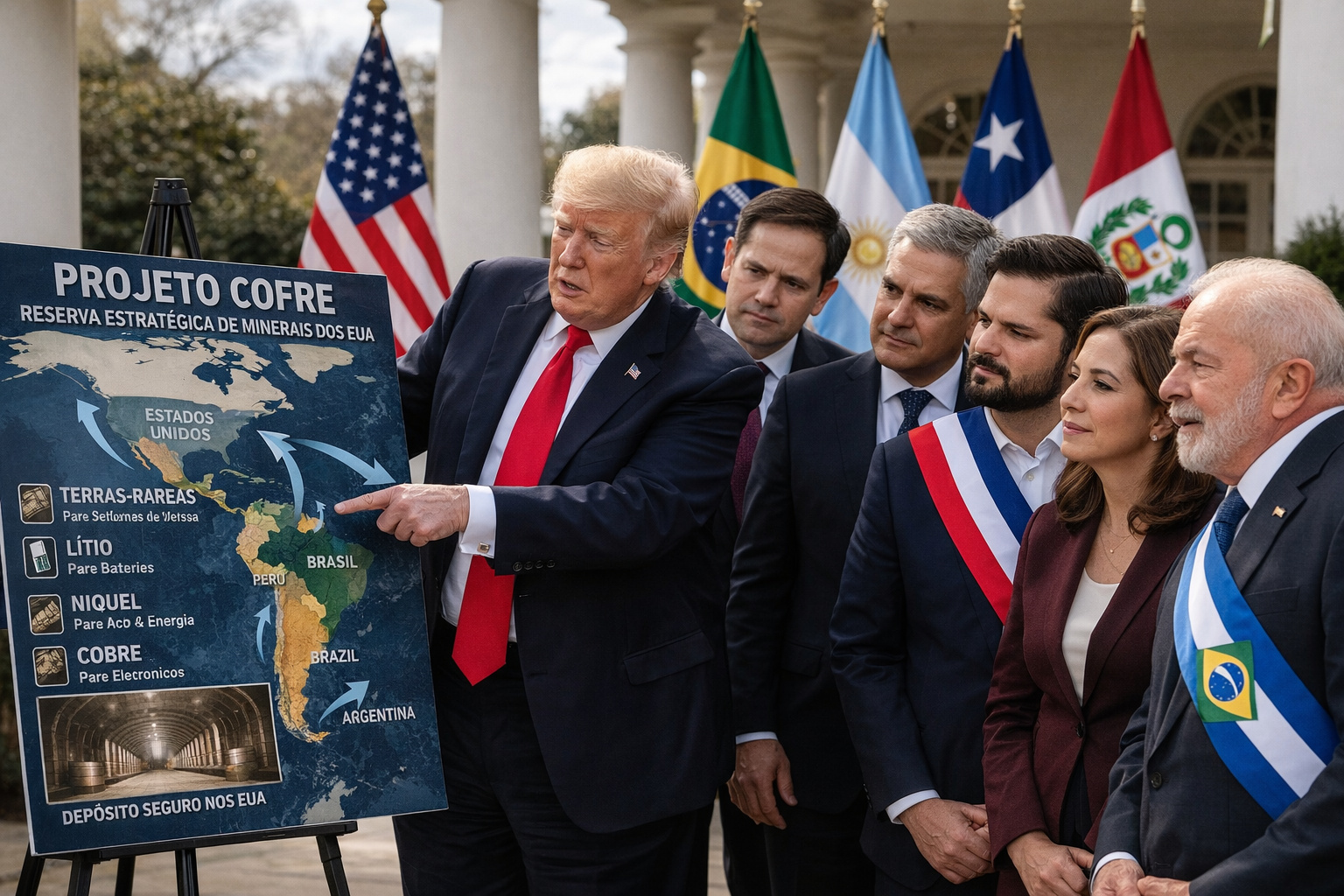
The USA announces a mysterious billion-dollar vault project to store critical minerals, but what intrigues experts is not just the plan itself, but why Latin America, including Brazil, has entered the center of this global dispute against China.
-
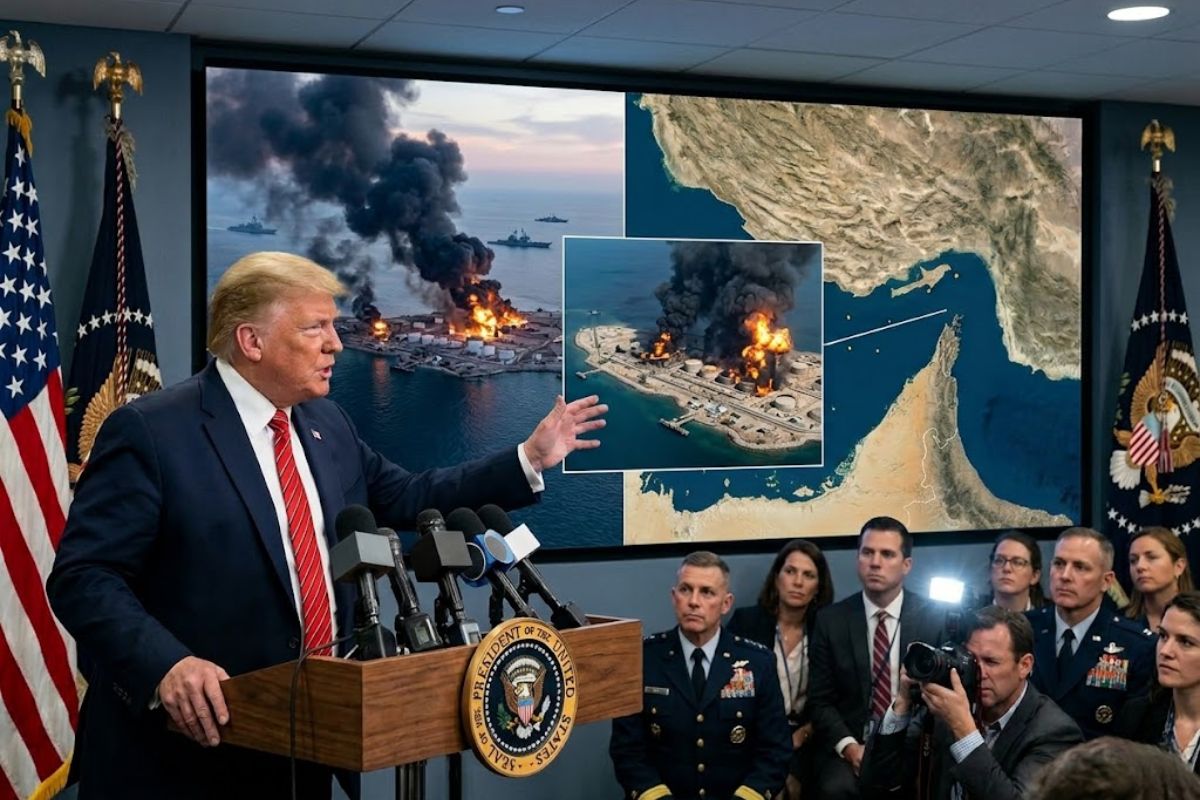
Trump Announces Bombing of U.S. Military Targets on Iranian Island Responsible for About 90% of Iran’s Oil Exports, Warns of Further Attacks if Navigation in Strategic Strait of Hormuz Is Threatened

“I extend my hand so we can walk together with firm determination to work tirelessly for Honduras. I will not disappoint you,” said the elected president of Honduras, maintaining a conciliatory tone amid a polarized scenario.
Elections in Honduras Were Marked by Delays and Allegations
The elections in Honduras took place under strong political and social tension.
The counting of the votes faced technical problems, delays in the announcement of results, and accusations of fraud, which generated distrust among part of the population and opposing political groups.
This context exacerbated the Honduran electoral crisis, putting the credibility of the process in question and provoking protests and internal and international questioning.
Meanwhile, electoral bodies worked to validate the results and contain institutional instability.
The official confirmation of Nasry Asfura‘s victory only occurred more than three weeks after the vote, highlighting the fragility of the Honduran electoral system in the face of heated disputes.
Donald Trump’s Support Influences Honduran Political Scenario
One of the central elements of the election was the support of Donald Trump for the conservative candidate.
The then President of the United States took an active stance in favor of Asfura, including public statements and diplomatic pressures.
According to the political context reported at the time, Donald Trump even threatened to cut U.S. financial aid if his ally was not declared the winner.
Furthermore, Trump raised suspicions about possible fraud during the vote counting, aligning himself with a broader strategy to strengthen a conservative bloc in Latin America.
This positioning intensified the debate over external interference and deepened internal divisions in Honduras.
Honduran Electoral Crisis Exposes Institutional Challenges
The Honduran electoral crisis revealed structural problems in the country’s democratic system, such as technological fragility, low trust in institutions, and a high degree of political polarization.
Experts point out that the episode reinforces the need for electoral reforms and greater transparency in the voting and counting processes.
On the other hand, Nasry Asfura’s discourse after the confirmation of the result sought to reduce tensions and convey a message of governability.
The elected president of Honduras signaled that he intends to act as a factor of stability, despite the criticisms and distrust surrounding his victory.
Inauguration of Nasry Asfura and Expectations for the New Government
Nasry Asfura is set to officially assume the presidency on January 27, beginning a term that extends until 2030.
The new government will inherit a country marked by economic, social, and institutional challenges, exacerbated by the instability generated during the elections in Honduras.
Moreover, the relationship with the United States is likely to remain a strategic axis, especially given the historical support from Donald Trump and expectations of regional political alignment.
At the same time, there is increasing internal pressure for the elected president of Honduras to promote inclusion, dialogue, and respect for democratic institutions.
Christmas Message Seeks to Rebuild the Population’s Confidence
Asfura’s Christmas message carried a strong political symbolism.
By choosing the date to speak, the elected president of Honduras attempted to associate his discourse with values of unity, renewal, and hope, elements considered essential to overcoming the Honduran electoral crisis.
Now, the main challenge will be to transform the discourse into concrete actions.
Nasry Asfura’s ability to govern in a fragmented political environment will be crucial to restoring the population’s trust.








Seja o primeiro a reagir!