





 English
  Francês
  Alemão
  Italiano
  Japonês
  Norueguês
  Portuguese
  Spanish
  4 min of reading


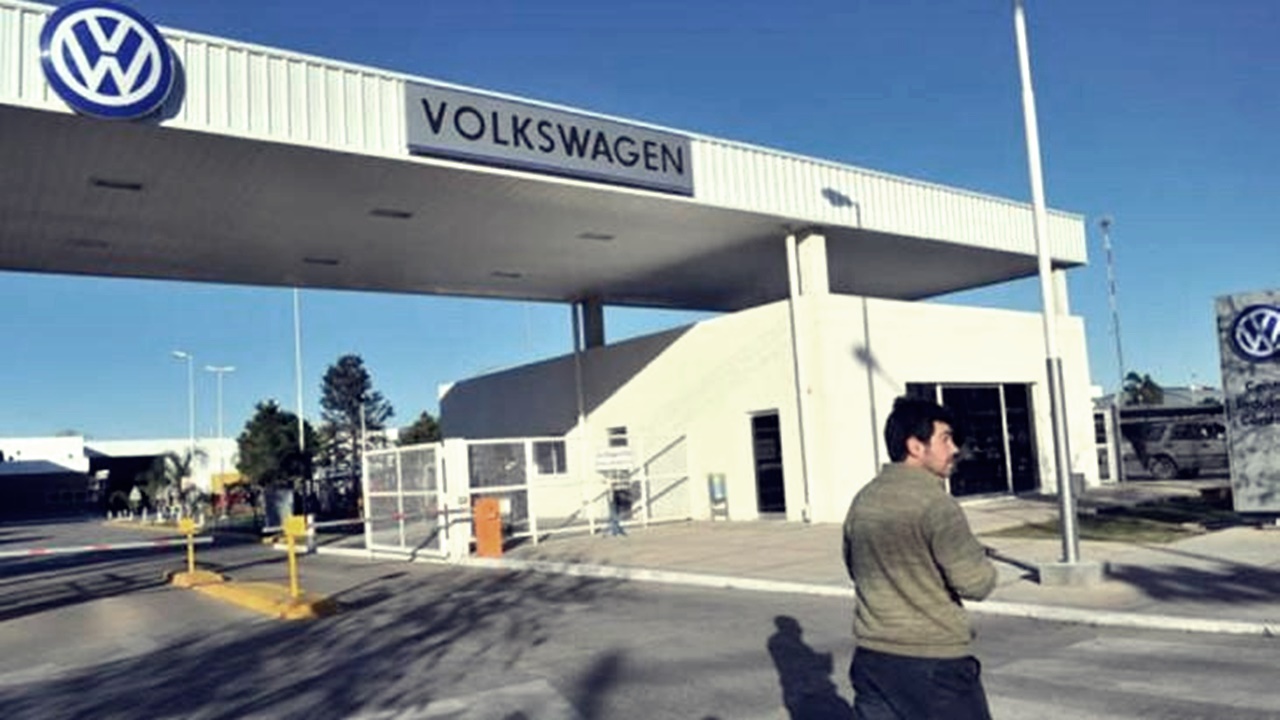
Global Crisis Due to Part Shortage Affects the Multinational Volkswagen and, Like Fiat and Renault, Interrupts Vehicle Production and Grants Collective Leaves to Employees
In an effort to adjust the production level to demand, the Volkswagen plant in Taubaté, in the interior of São Paulo, will grant collective leaves to 800 employees in the production area starting this day (10/04), according to the Metalworkers Union of Taubaté and Region (Sindimetau), which corresponds to one production shift of the Gol and Voyage models. The crisis due to the lack of components is global and other multinationals like Fiat and Renault have decided to take the same measure.
Read Also
- Three Years with Wage Adjustment Below Inflation, Metalworkers Declare Strike at the Multinational Vehicle Manufacturer General Motors
- Moura Batteries, Leader in Automotive Battery Manufacturing, Calls for Many Job Openings in Its Factories in SP, RJ, PE and More
This will be the sixth period of collective leave at the Vale do Paraíba unit, which also had 11 days of shutdown and five days of day off — both using the employees’ hour bank — due to supply chain bottlenecks. Between May 3 and 12, the factory was halted, but for another reason: to adapt production for new models built on the MQB modular structure.
“The automaker filed the notice on the last day 10. In the document, Volkswagen stated that the leaves would be for 2,000 workers, but that it might undergo changes. The measure will be applied once again due to the lack of components, mainly semiconductors, which have been experiencing supply fluctuations and hindering global vehicle production,” Sindimetau informed in a statement.
-
In just three hours, a natural stone floor transforms the entrance of the house with an organic effect, immediate drainage, and a sophisticated non-slip finish that doesn’t puddle water, dries quickly, and impresses with the final result.
-
‘Interlocking brick’ made of earth arrives in the construction industry with cost reductions of up to 40% on the project.

-
Espírito Santo will receive the largest engineering project in its history with the duplication of BR 262, which will have 50 viaducts, 28 bridges, and 2-kilometer tunnels cutting through the most challenging mountainous region of the entire state.

-
A project of nearly 9 million reais already has the first kilometer paved in Santa Catarina and promises to completely transform the access between Jaraguá do Sul and Rio dos Cedros in an area where tourism is growing at a rapid pace.


According to the entity, currently, there are 15,000 cars parked in the factory yard waiting for parts to be completed. The number of employees on collective leave, according to the union, corresponds to one production shift. The expected return date for the workers is October 7. “This year, 11 days of ‘shutdown’ and an additional five days of ‘day off’ (both using the hour bank) have already been recorded due to lack of parts,” the entity added in a statement sent to the press.
Lack of Vehicles
With the supply shortages faced by automakers, currently, according to the National Association of Automotive Vehicle Manufacturers (Anfavea), there are only 76,400 vehicles in stock in Brazil. The number is sufficient for only 13 days of sales. The entity says this is the worst level in two decades.
Just last month, 11 automotive factories experienced total or partial shutdowns, leading the sector to produce 21.9% less compared to 2020, when there was still no shortage of inputs.
“The pandemic caused the prices of all inputs to rise. Steel, aluminum, rubber, all petroleum derivatives were impacted. The issue is that it wasn’t the sales that increased; there are simply no cars on the market. The trend is that the situation will worsen; as activities resume, people will return to spending on leisure and the money that many are investing in cars will vanish from the market, causing sales to drop with high prices,” explains the associate consultant of Bright Consulting, Cássio Pagliarini, who predicts an improvement in the scenario only from 2023 onwards.
Like Volkswagen, Renault Suspends Employment Contracts of Employees, Approves Voluntary Dismissal and, Like Fiat, Adopts Layoff
The crisis reaches the multinational vehicle manufacturer Renault! The automotive industry in Brazil is on the brink of collapse and is preparing for a year-end of low production and closed factories. So far, most automakers, like Fiat and Volkswagen, have adopted periods of collective leave, voluntary dismissal plans, suspension of employment contracts, early holidays, and days off for employees to navigate the lack of components for production, especially semiconductors.
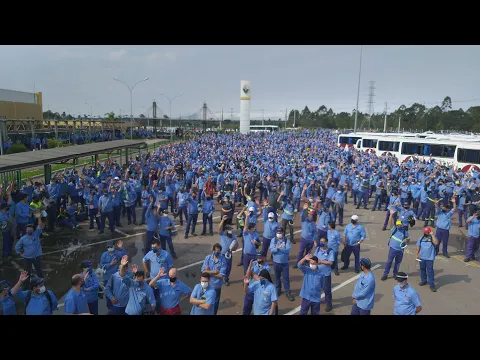
Employees of the multinational Renault, based in São José dos Pinhais, approved yesterday afternoon (09/29) a set of measures that includes a voluntary dismissal plan (PDV), involuntary dismissal plan (PDI), reduced working hours regime, and layoff. The proposals are a result of the global components crisis that has impacted the functioning of the automotive industry. Check out the video below of SMC President, Sérgio Butka, discussing the PDV, PDI, Layoff, and working hours reduction approved at Renault

General Motors Launches the Cheapest Electric Car in the World That Runs 305 Km on a Charge; ManoEV Will Cost R$ 17,000 and Makes the American Automaker Tesla Tremble
After absolute success in its hands with the Mini EV, which became the best-selling electric car in China, largely due to its initial price of around US$ 4,500, the Saic-GM joint venture, which manufactures and sells vehicles under the Chevrolet, Buick, and Cadillac brands in Continental China, came up with the idea to leverage this success to boost sales of an even cheaper car, the Wuling NanoEV, which is expected to cost the equivalent of $3,100 or R$ 17,000 at the current exchange rate. The tiny vehicle was a bold gamble by General Motors for a strange market niche, where products that mimic famous identities gain notoriety through explicit cloning, as recently announced by Click Petróleo e Gás, where a Chinese automaker cloned Volkswagen’s iconic Kombi, right after shamelessly producing an electric copy of the Beetle. Check out the cheapest electric car in the world below!










Seja o primeiro a reagir!