





 English
  Francês
  Alemão
  Italiano
  Japonês
  Norueguês
  Portuguese
  Spanish
 3 min of reading


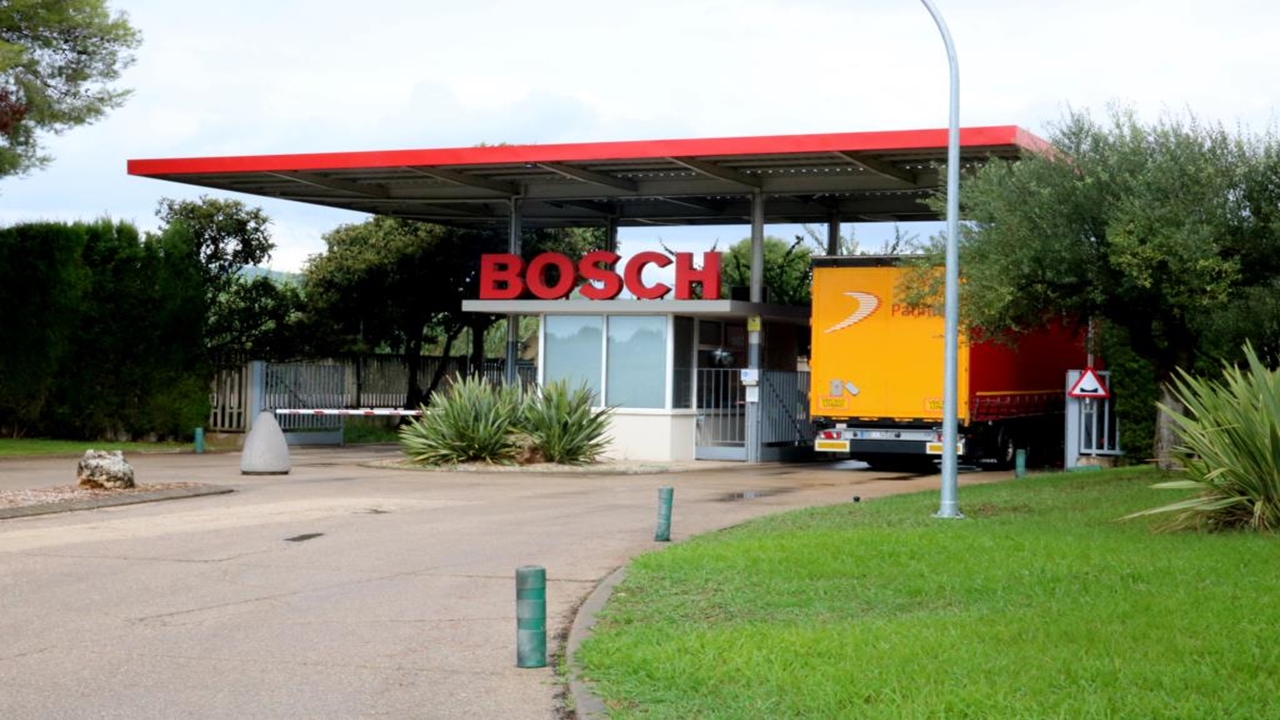
In a Move Opposite to Ford and Chevrolet, the Multinational Auto Parts Manufacturer Bosch Decided to Bring Its Production from the USA to Brazil
The German multinational auto parts manufacturer Bosch went against the movement of automobile manufacturers Ford, Chevrolet, Honda, and Audi, which decided to withdraw or reduce production in Brazil, and brought to Brazil the production of injectors and injector nozzles for trucks that were produced in its factories in the United States, thus expanding the diesel injection systems division at its factory in Curitiba.
Read Also
- Andritz Opens Selection Process for Candidates with and without Experience in High School, Technical and Higher Education in the States of RJ, MG, BA and More
- Ambev Will Open 300 Job Openings at Its New Logistics Center Being Built in Osasco – SP
- After Ford Exits Brazil and Halts Car Production in Bahia, Camaçari Faces Factory Breakdown and 7,500 People Are Expected to Lose Their Jobs
- Multinationals Honda and Chevrolet Halt Vehicle Production in Brazil and the Automobile Industry May Collapse.
According to electronic and telecommunications engineering specialist Antônio Jorge Martins, Bosch’s strategy mainly reflects the enormous potential of the Brazilian market in this sector.
Moreover, the intention of the German multinational is to supply not only the domestic market but also to export a large amount – which can reach up to half of the production.
-
‘Interlocking brick’ made of earth arrives in the construction industry with cost reductions of up to 40% on the project.

-
Espírito Santo will receive the largest engineering project in its history with the duplication of BR 262, which will have 50 viaducts, 28 bridges, and 2-kilometer tunnels cutting through the most challenging mountainous region of the entire state.

-
A project of nearly 9 million reais already has the first kilometer paved in Santa Catarina and promises to completely transform the access between Jaraguá do Sul and Rio dos Cedros in an area where tourism is growing at a rapid pace.

-
A couple builds a system to bring water from the spring to their land, climbs a hill with materials on their backs, and creates a simple, cheap, and sustainable solution to ensure their own water supply.


In an interview with the news agency Sputnik Brasil on March 9, Martins says, “Companies today establish themselves in continents not only to serve that type of market of the country where they are setting up but also to sell to other countries that belong to the continent and even to other continents”.
The multinational Bosch already made the move from the USA to Brazil on March 6. The German company used the second-largest cargo aircraft in the world, the Antonov 124, to transport 115 machines for producing injectors and injector nozzles to Campinas (SP).
The Arrival of Bosch Production from the USA to Curitiba Will Mainly Benefit Truck Manufacturers in Brazil
According to Martins, who is also the coordinator of automotive courses at the Getúlio Vargas Foundation, the arrival of Bosch production from the USA to Curitiba will mainly benefit local truck manufacturers in Brazil, who will no longer need to import Bosch products.
He emphasizes that the benefits go beyond the lower price: without the need to import, companies can better organize their finances. This is because, when they import, companies typically guarantee a large stock, sufficient to meet demand for at least a semester.
“It favors manufacturers and, as a consequence, […] may even provide national manufacturers with a greater volume of exports, stemming from the increase in competitiveness”, analyzes the specialist.
In 2019, Bosch Group completed 65 years in Brazil – a success story that began in 1954 in the city of São Paulo. Currently, Bosch Group employs about 8,000 people in the country and recorded a net revenue of R$ 5.2 billion in 2019 with the offering of products and services for the Mobility Solutions, Industrial Technology, Consumer Goods, and Energy and Building Technology sectors.
The group’s operations in Latin America employ around 9,400 people who contributed to generating a revenue of R$ 6.4 billion, including exports and sales from affiliated companies.









Seja o primeiro a reagir!