





 English
  Francês
  Alemão
  Italiano
  Japonês
  Norueguês
  Portuguese
  Spanish
 2 min of reading
  0 comments


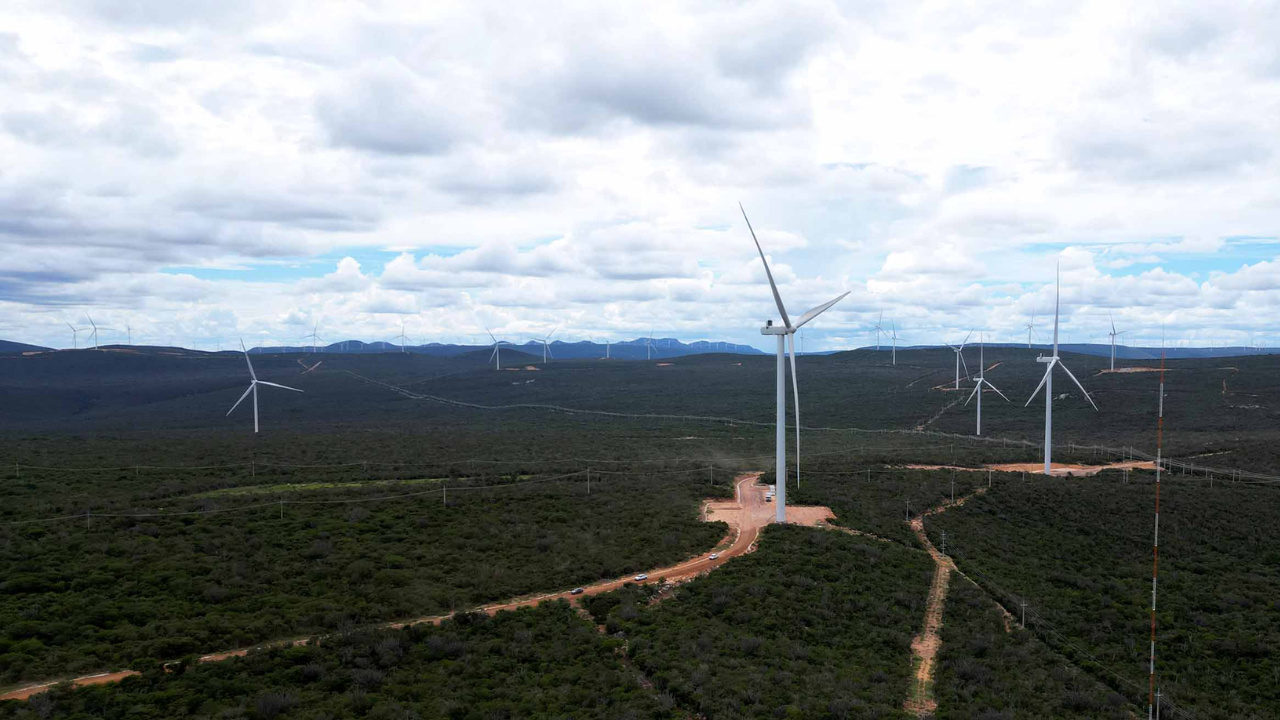
Aneel Authorizes the Resumption of Operations at the Aroeira 10 Wind Farm in Bahia After Collapse in 2025. Understand What Caused the Shutdown and What Changes Now in the Sector.
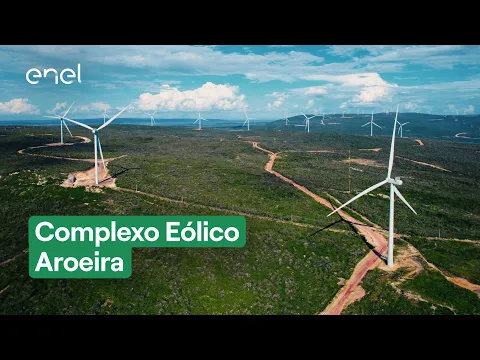
After months out of operation, an important wind unit in Bahia is officially authorized to return to the market. The decision was published in a dispatch in the Official Gazette of the Union on Wednesday, February 18, by the National Electric Energy Agency.
The approval restores the commercial operation of the generating unit UG10, with a capacity of 4.3 MW, part of the Aroeira 10 wind complex. The plant belongs to Enel Green Power, the renewable arm of the Enel group.
Located in Morro do Chapéu, the plant is authorized to operate commercially at 43 MW. However, in May 2025, one of the units suffered a structural collapse, raising alarms about the safety of wind generation projects in the country.
-
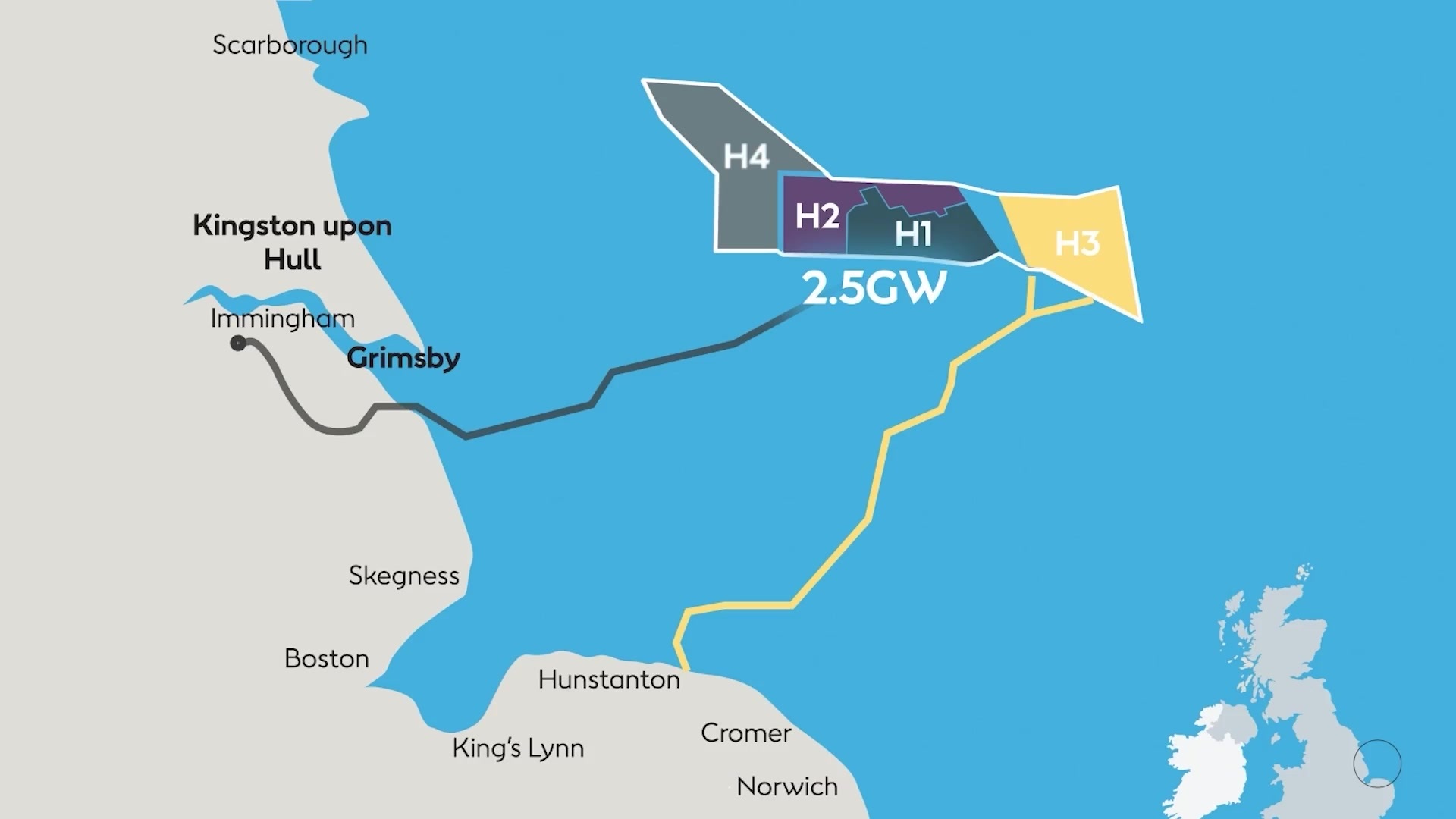
231 turbines of 260 meters at 160 km from the coast, monopiles weighing as much as nine blue whales embedded in the North Sea, and a crane ship taller than the Eiffel Tower: Hornsea 3 will be the largest offshore wind farm on the planet by 2027, and its first components have already arrived in England.
-
International Certification Puts Senai Norte on the Renewable Energy Map and Expands Access to Essential Training for Qualified Wind Power Professionals

-
The Winds of the Northeast Are in Foreign Hands: Nearly 70% of the Region’s Wind Farms Are Owned by International Companies, with France, China, and Italy Leading Investments in Wind Energy in Brazil
-
Echoenergia’s Wind Farms Receive Diamond and Platinum Seals and Boost Carbon Credits with Projects that Prevent Large Volumes of Annual Emissions

What Caused the Wind Farm Shutdown
Initially, the company reported that it did not yet know the causes of the problem. However, in August, after detailed technical analyses, the company stated it had identified “clear” evidence of movement and water infiltration between the faces of the flange — the component that connects structural parts of the tower.
According to Enel, this infiltration caused a loss of pre-tensioning of the connection, compromising the stability of the structure.

Among the hypotheses raised by the technical team were:
- High tension loads on the component;
- Inadequate tightening force;
- Inability of one of the components to stretch properly;
- Misalignment of the flange sections, which prevented adequate tensioning.
In other words, the problem may have been the result of a combination of mechanical and structural factors.
Decision Reignites Debate on Wind Reliability
The resumption of commercial operations represents, on one hand, a sign of regulatory confidence. On the other hand, it reignites discussions about technical standards and oversight in wind generation projects, especially in states like Bahia, which lead the expansion of this source in Brazil.
Wind energy is seen as strategic for the energy transition. However, episodes like the collapse of UG10 demonstrate that structural failures can have significant impacts, both financial and operational.

Now, with the official authorization published, the sector closely monitors the next steps of the company and any technical developments.
In light of this episode, do you believe that Brazil needs to further tighten the oversight of wind farms, or was this case just an isolated failure? Leave your opinion in the comments.







Seja o primeiro a reagir!