





 Portuguese
  English
  Spanish
  4 min of reading
  1 comment





5th Panel of TRT-4 Understood That Reduction of More Than Half of Salary, After the Filing of a Lawsuit, Configures Serious Misconduct Based on Art. 483, “g”, of the CLT.
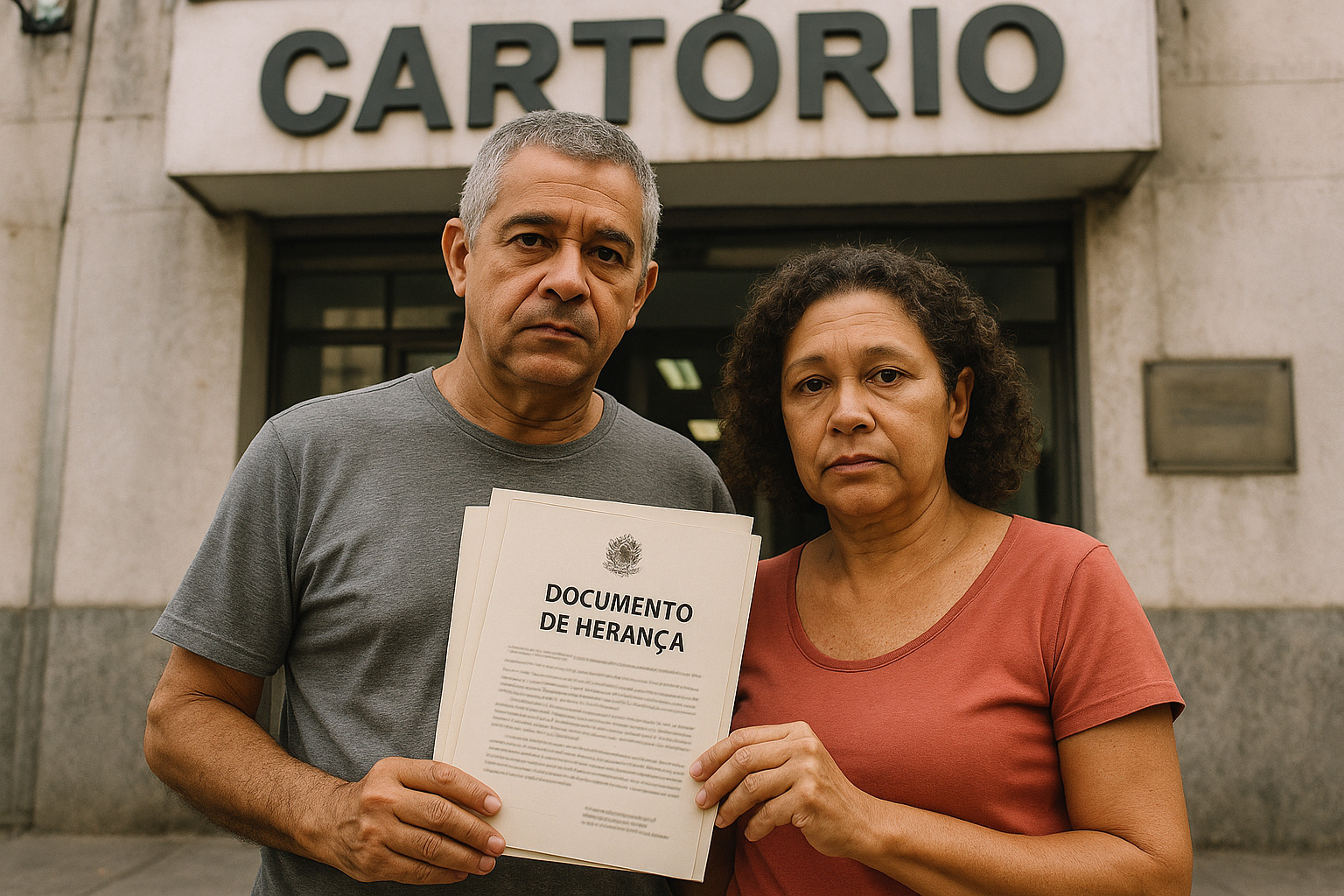
The 5th Panel of the Regional Labor Court of the 4th Region (TRT-4) maintained the indirect dismissal of a security guard who, after filing a labor lawsuit, had his salary reduced from about R$ 2,300 to approximately R$ 800. The decision acknowledges that the employee’s removal from the posts and the sharp drop in earnings characterize serious employer misconduct.
The panel also established a provisional condemnation of R$ 35,000, an amount that includes wage differences, termination payments, and a fine of R$ 5,000 for non-compliance with a previous determination regarding contract termination and delivery of the termination document.
The news was published this Wednesday, October 8, 2025, citing as a basis Art. 483, “g”, of the CLT, which authorizes indirect dismissal when the reduction of work significantly affects the employee’s salary.
-
The noise law will no longer be in effect at 10 PM starting in June with a new rule valid during the 2026 World Cup.

-
The Chamber opens a debate on driver’s licenses at 16 years old as part of a reform that includes around 270 proposals to change the Brazilian Traffic Code and may redesign rules for licensing, enforcement, and circulation in the country.

-
The new Civil Code could revolutionize marriages in Brazil with “express divorce” and changes that could exclude spouses from inheritance.
-
Banco do Brasil sues famous influencer for million-dollar debt and intensifies debate on delinquency, risks of seizure, and direct impact on Gkay’s credibility.


What Did TRT-4 Decide About Indirect Dismissal and Salary Reduction
The Panel concluded that, in light of the request for the worker’s replacement by one of the employers, the company had legal alternatives: to reallocate the security guard to another post, even if further away, assuming costs, or dismissing the contract and settling the amounts owed. It opted to keep him on standby, reducing the days worked and the earnings. For the reporting judge, Angela Rosi Almeida Chapper, this constituted serious misconduct.
The panel dismissed the indemnity for moral damages of R$ 15,000 established in the first instance but upheld the indirect dismissal and the amounts owed to the employee. According to the decision, since the idleness did not result from the worker’s will, danger pay and meal vouchers could not have been deducted on standby days.
Participating in the judgment were judges Vania Cunha Mattos and Cláudio Antônio Cassou Barbosa. The matter also notes that there was subsidiary liability of a banking institution that contracted the service.
Understand the Case: Security Guard on Standby, Salary Reduction and Previous Process
The security guard worked in three bank branches and in a soccer stadium. After filing a first lawsuit against the employer due to deductions on days with a medical certificate, he ceased to be assigned to the posts and saw his salary drop to around R$ 800 per month.
The company claimed that one branch requested the replacement and that, without another post, it decided to keep the employee at home, on standby, awaiting emergency calls. For the originating court, led by judge Rafael Moreira de Abreu (Advanced Labor Court of São Sebastião do Caí), the evidence indicated that the removal was a voluntary act of the employer, which cannot result in a salary loss for the worker.
In the first instance, the court recognized the indirect dismissal based on Art. 483, “g”, of the CLT, in addition to attributing subsidiary liability to one of the banking institutions. The TRT-4 confirmed the dismissal and adjusted the other points.
What Does Art. 483, “g”, of the CLT Say About Work and Salary Reduction
Art. 483 of the Consolidation of Labor Laws lists instances of serious employer misconduct that authorize indirect dismissal. Item “g” provides for the situation in which the employer reduces the work of the employee, “being this by piece or task, in a way that sensibly affects the importance of wages.” Jurisprudence applies the logic of the provision to materially relevant reductions in monthly earnings, even outside strict piece or task regimes.
The Superior Labor Court recalls that indirect dismissal is an exceptional form that is based on serious misconduct that makes the continuation of the bond unsustainable. In the case under analysis, TRT-4 understood that the combination of forced removal and sudden income drop fulfilled this requirement.
With this legal framework, the decision reinforces the prohibition against retaliation or measures that diminish remuneration as an indirect form of dismissal, maintaining legal certainty for workers and companies.
Do you think that the drastic reduction of scale after filing a lawsuit is a legitimate management or a retaliation that should also lead to moral damages? Was the liability of the contracting party appropriate? Leave your comment.










I must say this article is extremely well written, insightful, and packed with valuable knowledge that shows the author’s deep expertise on the subject, and I truly appreciate the time and effort that has gone into creating such high-quality content because it is not only helpful but also inspiring for readers like me who are always looking for trustworthy resources online. Keep up the good work and write more. i am a follower.