





 Portuguese
  English
  Spanish
  4 min of reading
  2 comments


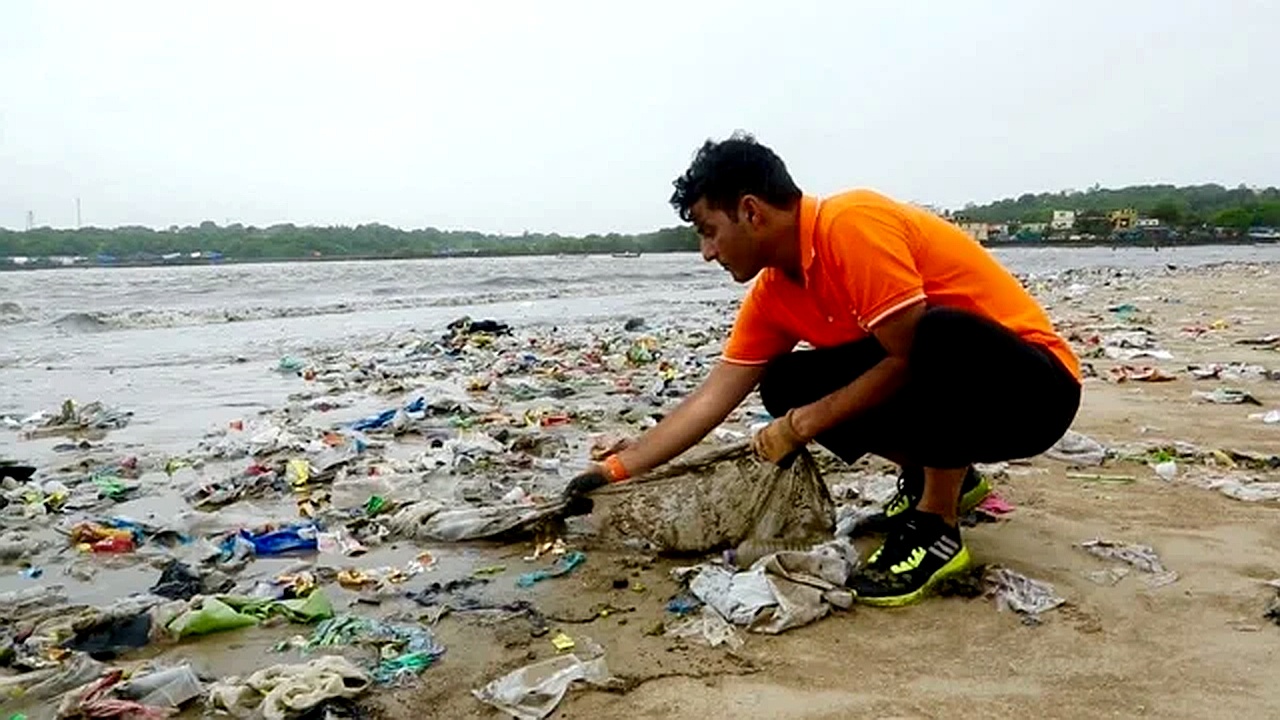


Afroz Shah Led The Removal Of More Than 9 Million Kilograms Of Trash From Versova Beach And Returned The Area To Marine Life.
In 2015, the Indian lawyer Afroz Shah decided to take action in the face of a situation that many considered irreversible. Versova Beach in Mumbai, India, was buried under mounds of plastic, household debris, and urban waste accumulated over decades. The area, which was once a fishing and socializing spot, had become a symbol of the global marine litter crisis.
Without initial government support, Shah began removing waste from the sandy strip on his own. What seemed like an isolated gesture quickly turned into one of the largest coastal cleanup movements ever documented. Over the following years, more than 9 million kilograms of trash were manually removed from the beach, according to data released by municipal authorities and the initiative itself. The mobilization gained international recognition and came to be considered the largest beach cleanup in the world led by volunteers.
The Start Of A Movement That Began With An Individual Decision
Afroz Shah lived near the beach and observed daily the accumulation of waste brought by the tides and improper disposal. Plastic bags, bottles, packaging, and household waste completely covered the sand. In some areas, the trash reached more than one meter in height.
-
Friends have been building a small “town” for 30 years to grow old together, with compact houses, a common area, nature surrounding it, and a collective life project designed for friendship, coexistence, and simplicity.

-
This small town in Germany created its own currency 24 years ago, today it circulates millions per year, is accepted in over 300 stores, and the German government allowed all of this to happen under one condition.

-
Curitiba is shrinking and is expected to lose 97,000 residents by 2050, while inland cities in Paraná such as Sarandi, Araucária, and Toledo are experiencing accelerated growth that is changing the entire state’s map.

-
Tourists were poisoned on Everest in a million-dollar fraud scheme involving helicopters that diverted over $19 million and shocked international authorities.




The cleanup began with small weekly actions. Over time, neighbors started to join the effort. The initiative gained traction on social media, attracting hundreds of volunteers. Schools, residents, and local organizations began participating in the clean-up drives.
In just over a year, thousands of tons had already been removed. The Mumbai municipal government began to provide logistical support for the movement, supplying trucks for transporting the collected material.
The Largest Coastal Cleanup Ever Recorded
According to official estimates released by the authorities in Mumbai, the accumulated volume removed from the beach exceeded 20 million kilograms over the years of mobilization. This figure includes plastic, organic waste, wood, and various materials.
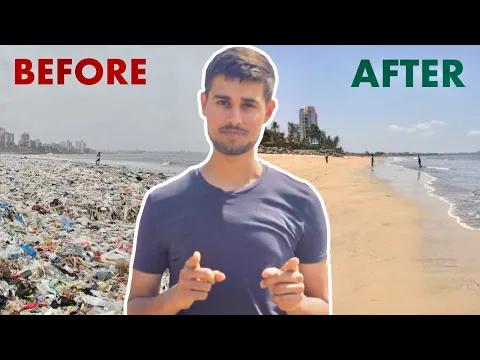
The impact of the removal was visible. Areas that were once completely covered by waste began to reveal sand again. The coastline became identifiable once more. The strong odor caused by the decomposition of organic waste gradually decreased.
The initiative caught the attention of the United Nations Environment Programme (UNEP), which recognized Afroz Shah as the “Champion of the Earth” in 2016, one of the highest environmental honors awarded by the UN.
The Return Of Turtles As A Symbol Of Recovery
One of the most emblematic moments of the transformation occurred when Olive Ridley turtles returned to nest on Versova Beach after decades of absence.
Biologists and environmental authorities confirmed the presence of nests, something that had not been recorded in the region for more than 20 years. The return of the turtles was interpreted as a concrete sign of environmental recovery.
Although water quality and urban waste management still face structural challenges in Mumbai, the beach cleanup created minimum conditions for the resumption of biological activity.
The return of marine life became a symbol of the direct impact of community action.
Global Plastic Crisis And Indian Context
India is among the largest producers of plastic waste in the world. Rapid urban growth, combined with inadequate waste management systems, contributes to improper disposal.
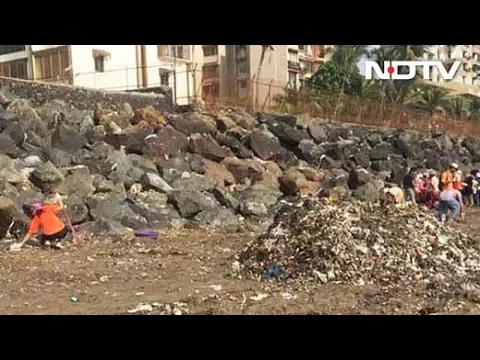
A significant portion of the plastic that reaches the oceans originates from land. Rivers transport urban waste to the sea, exacerbating coastal pollution.
The case of Versova exposed a broader structural problem: the lack of effective policies for reducing disposable plastic and efficient recycling.
The mobilization led by Shah also began to pressure authorities for regulatory changes and greater responsibility in waste management.
Social Mobilization And Multiplicative Effect
The movement that began in Versova inspired similar initiatives in other regions of India. Cleanup drives began to occur on beaches and riverbanks in different states.
The action demonstrated that community mobilization can yield measurable results even before broad structural reforms.
However, experts warn that coastal cleanup is only a step. The definitive solution requires a reduction in the production of disposable plastic, improvement in selective collection, and efficient recycling systems.
Without these measures, new waves of waste continue to arrive on the beaches.
An Environmental Milestone That Surpassed Borders
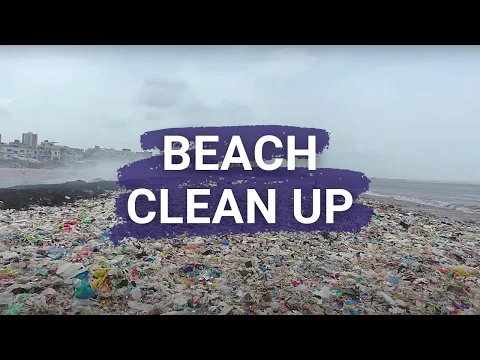
By manually removing more than 20 million kilograms of trash, Afroz Shah not only cleaned a beach. He highlighted the power of persistent collective actions in the face of a global problem.
International recognition solidified the initiative as an example of environmental engagement. The return of the turtles reinforced the ecological dimension of the transformation.
The story of Versova became a reference in discussions about individual responsibility, community pressure, and the need for robust public policies.
What began as the decision of a discontented resident transformed into one of the largest voluntary environmental actions ever recorded worldwide.
The beach that once symbolized collapse became an example of possible recovery — as long as there is continuous mobilization and a structural confrontation of the disposable plastic problem.










Em Janeiro/2026 estive em São Sebastião, em uma das praias que visitei estava muito suja, peguei uma sacola e comecei a recolher garrafas pet, tampinhas, canudos, sachês de ketchup, garrafa de vidro (cerveja) , centenas de bitucas de cigarro, fiquei muito triste… parece que as pessoas não se incomodam com isso, normalizam a sujeira, muitos me olhavam com certo julgamento por estar coletando lixo, mas fiz minha parte, recolhi cerca de uns 5kg de lixo numa faixa de aproximadamente 500 metros.
Se todos fizessem o mesmo, o mundo seria bem mais limpo e talvez não havia tanta poluição no meio ambiente como de fato existe infelizmente, eu como pessoa de bem faço a minha parte independente do que vão falar ou não, pois essa prática é um ato que todos deveriam seguir ou seja colocar em prática, mas boa parte das pessoas não fazem e ainda acham esse gesto **** e torp, eu não ligo e continuo fazendo o que é certo, mesmo que me julguem por fazer o que é melhor e certo, esse tipo de notícia me trás traquilidade, me faz pensar e saber que não estou sozinha e que ainda existem pessoas de bem no mundo sim 💚🤝🏻🤞🏻🌍🌎🌏💪🏻👏🏻👏🏻👏🏻👏🏻👏🏻👏🏻👏🏻👏🏻👏🏻👏🏻👏🏻👏🏻👏🏻
Obs: Não só faça a diferença, seja a diferença em pessoa o mundo e o meio ambiente agradece pode ter certeza!