





 Portuguese
  English
  Spanish
  3 min of reading


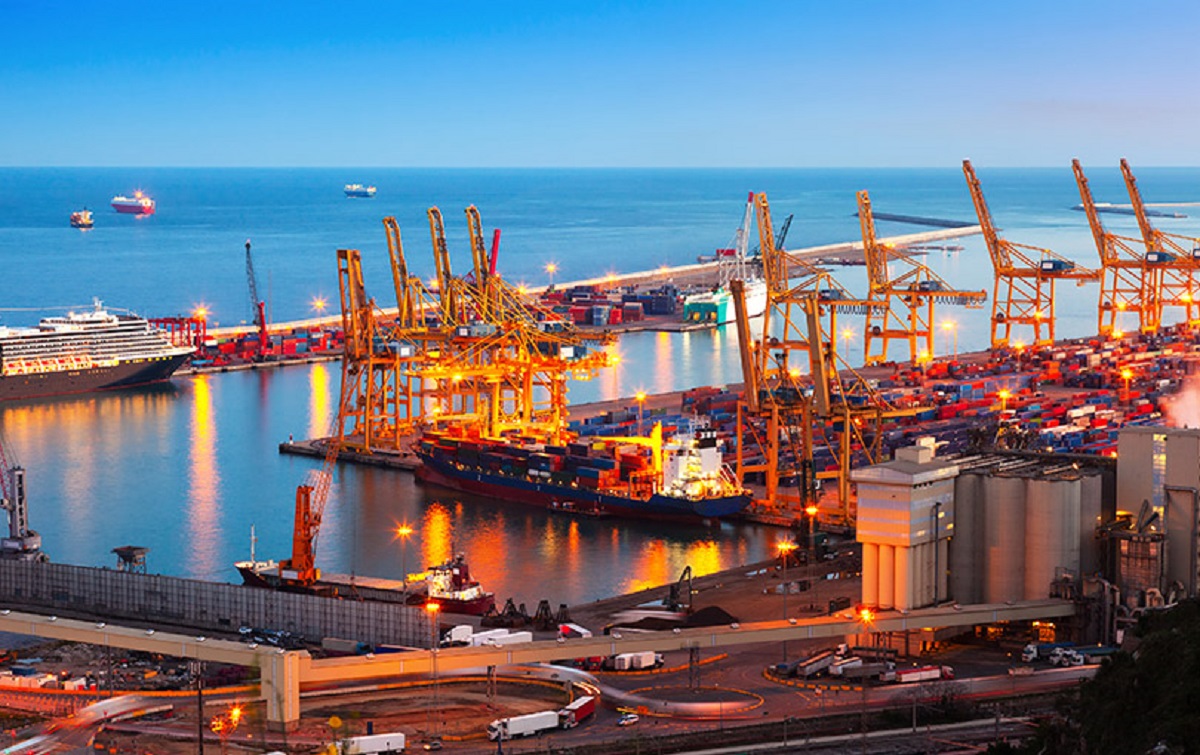
According to the representative of the workers on the Board of Directors of Petrobras, the naval sector employed more than 80 thousand people in Brazil before Lava Jato
The naval sector, since Lava Jato, has been suffering a decline in job generation. However, according to the representative of the workers on the Board of Directors of Petrobras, Rosângela Buzanelli, the state-owned company intends to resume job generation on oil and gas exploration support platforms in Brazil, according to the website Rede Brasil Atual.
This desire of Petrobras to revive the naval sector in terms of job generation in the exploration area should also stimulate the entire production chain of oil and gas exploration in Brazil.
Video: Lula Said He Will Promote the Resumption of Brazil’s Naval Sector


For the Petrobras board member, “The revitalization of the oil and gas segment represents the generation of thousands of jobs in the country. Let us remember that the Brazilian naval industry has already experienced golden times, but was the victim of a harsh blow of destruction and is now abandoned.”
-
Historic bankruptcy of Centauro shocks the market, and the century-old company puts more than 500,000 products, machines, and complete infrastructure up for online auction.

-
Brazilian giant expands borders in the Southeast: Petrobras confirms new oil discovery in ultra-deep waters in the pre-salt of the Campos Basin.

-
Alert in the global energy market: Severe tropical cyclone hits the coast and disrupts gas production at major plants in Australia, threatening global supply.

-
Petrobras finds high-quality oil in the pre-salt at 113 km from RJ and reignites expectations about strategic reserves in the Campos Basin.


President of Petrobras States Desire to Resume Building Oil and Gas Exploration Platforms in Brazil for Job Generation
During a press conference in early March, the president of Petrobras, Jean Paul Prates, stated that the state-owned company indeed wishes to resume building platforms in Brazil for job generation and advocated public policies, as a way to revive the Brazilian naval sector.
According to him: “If you do a survey, today, perhaps, a very complex piece of equipment entirely made in Brazil costs three or four times more. So, when there is a discrepancy at that level, public policy and another type of approach to this problem is needed.”
Moreover, according to the president of Petrobras, previous years “destroyed” the cycle of the naval industry and this fact resulted in exorbitant costs in Brazilian shipyard projects, making the advances achieved in the 2000s worthless.
Rosângela also states that the Brazilian naval industry has already been in its prime, but was the victim of a destructive blow where it currently finds itself, abandoned. She further highlights that it was during Lula’s government that the sector had job generation at its peak, employing over 82 thousand people.
The source used by the Petrobras representative was a recent study by the National Union of the Shipbuilding and Offshore Repair Industry (Sinaval), which shows the size of the crisis in the naval sector. About 10 years ago, the contracted prices of projects in Brazilian shipyards amounted to around R$ 9.5 billion, whereas in 2021 the value decreased to R$ 570 million, presenting a drop of about 96%.
Furthermore, out of the 13 Petrobras shipyards in Brazil, most of them are operating at a capacity below the necessary or only working on conventional naval repairs.









Seja o primeiro a reagir!