





 Portuguese
  English
  Spanish
  3 min of reading
  2 comments


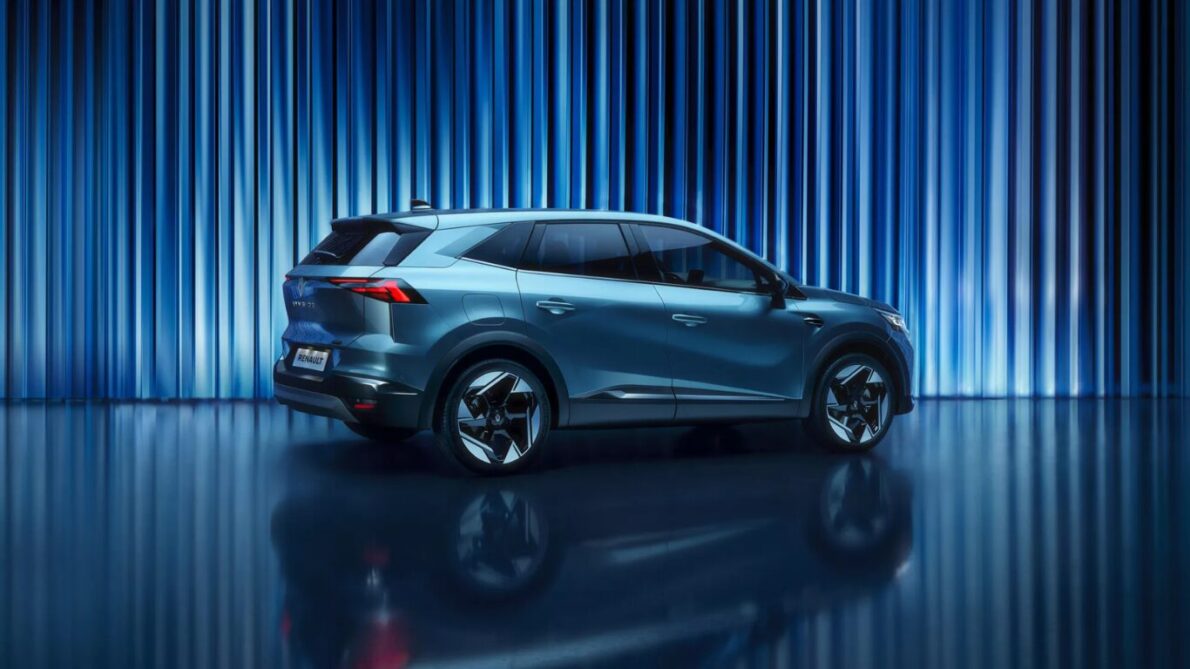

Renault Bets On New Models And Hybrid Technology To Expand Its Presence In The Brazilian Market, Investing Heavily In Innovation And Sustainability!
During the prestigious Interlagos Festival, Renault brought a flood of news for the Brazilian market, leaving car enthusiasts with high expectations. In addition to reinforcing its commitment to the country, the French brand revealed a new SUV that promises to shake up the segment and a hybrid engine that marks Renault’s entry into the race for electrification in Brazil, according to automaistv.
With an investment of R$ 5 billion that the automaker plans to inject in the country by 2025, Renault signals that something big is on the way. But the big question remains: what SUV is this? Let’s take a closer look.
A New SUV: What We Know So Far?
Renault is actively working on a new SUV, and expectations are high. The project, which is being developed using digital simulations and new technologies, will be the brand’s first product in Brazil to follow this new digital production line. According to Ricardo Gondo, President of Renault Brazil, the development of this new model is in full swing, and the company’s engineering team is leaving no stone unturned to deliver a vehicle that will be a true game-changer in the market.
-
Engineers propose a fourth traffic light for intersections – the change promises to affect crossings, queues, and waiting times.

-
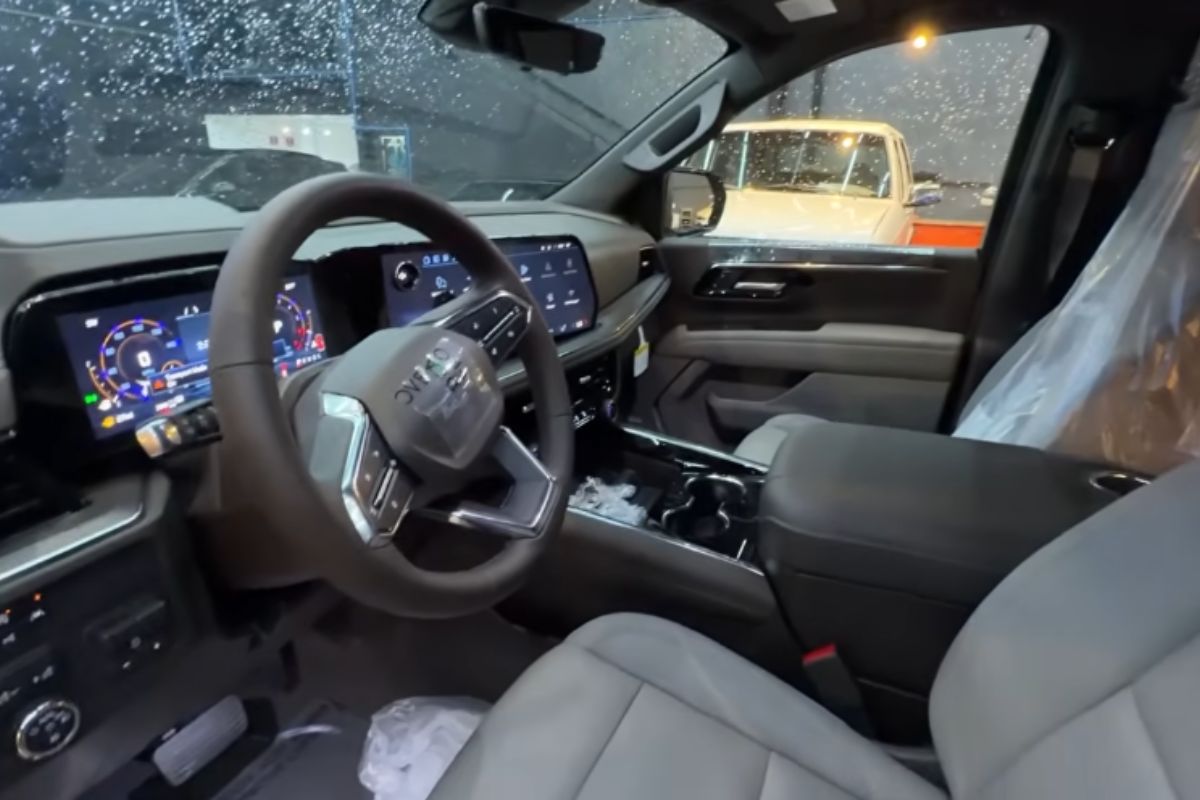
Chevrolet Suburban Z71 lands in Brazil with a V8 engine, off-road design, air suspension, seven seats, and colossal size, a rare version imported for around R$ 1.3 million with luxury and exclusivity.
-
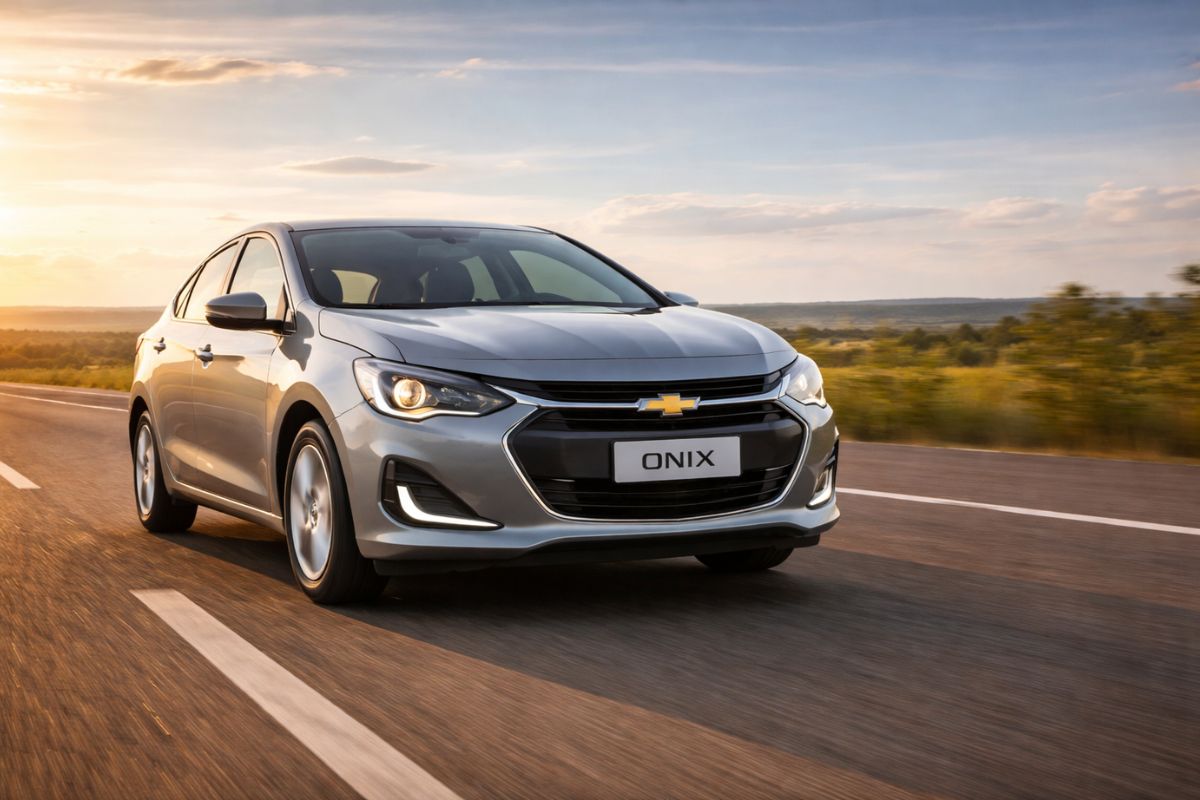
The Chevrolet Onix 1.0 turbo achieves 17.7 km per liter on the highway and ranks among the three most economical cars in Brazil in 2026, alongside two more expensive Toyota hybrids available at dealerships.
-
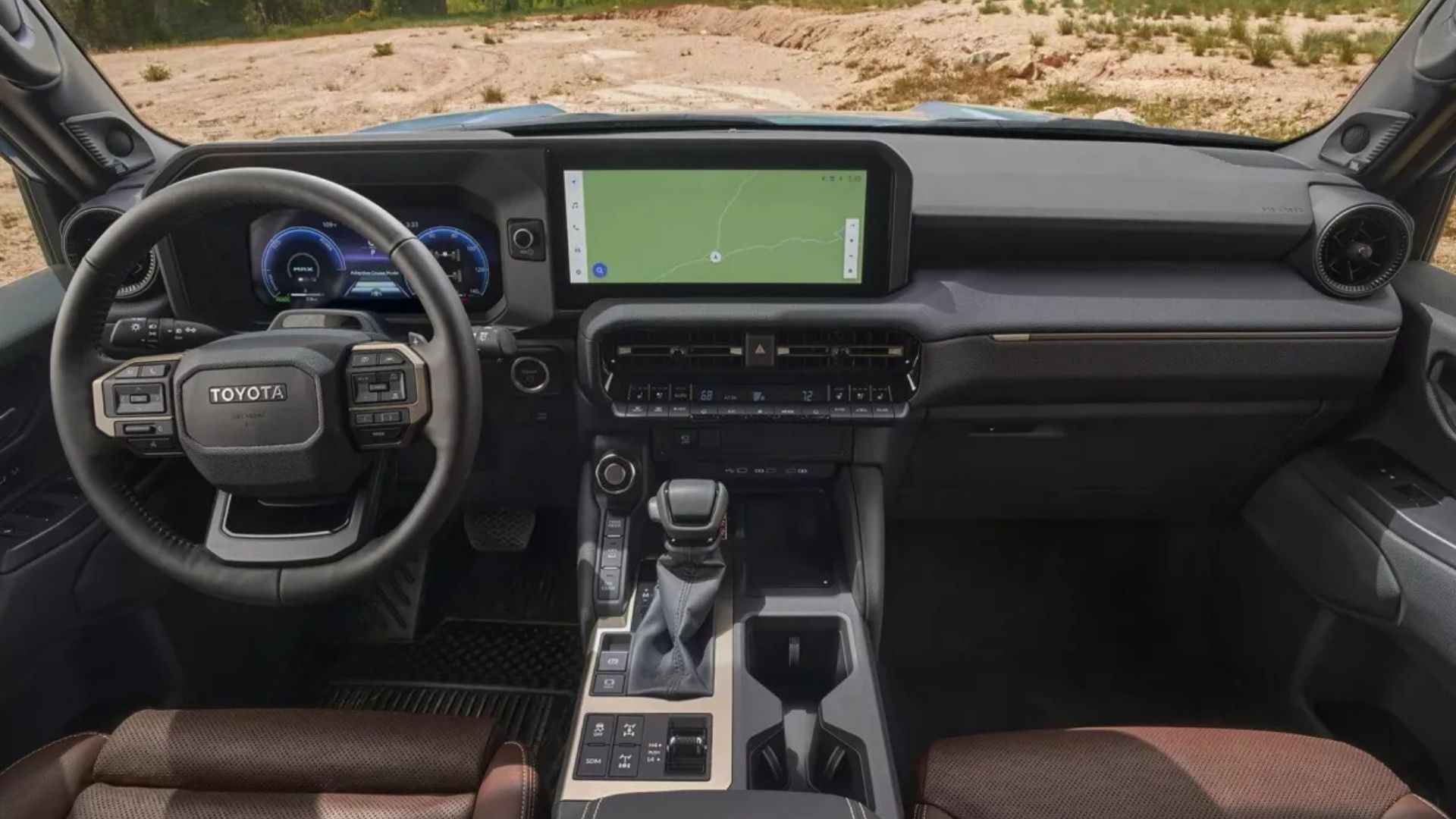
Little sister of the Hilux: Toyota launches Land Cruiser FJ with 4 radical versions, 2.7 engine with 166 hp and 4×4 traction with locking.

But, after all, what SUV is this? Among the models that could debut here, the European Dacia Duster of the third generation seems to be a strong candidate. There are rumors that the new model could be an extended version known as Grand Duster or Bigster, with capacity for seven seats. Another possibility is that Renault is preparing a compact SUV, but with a more robust design, to replace the current Duster.
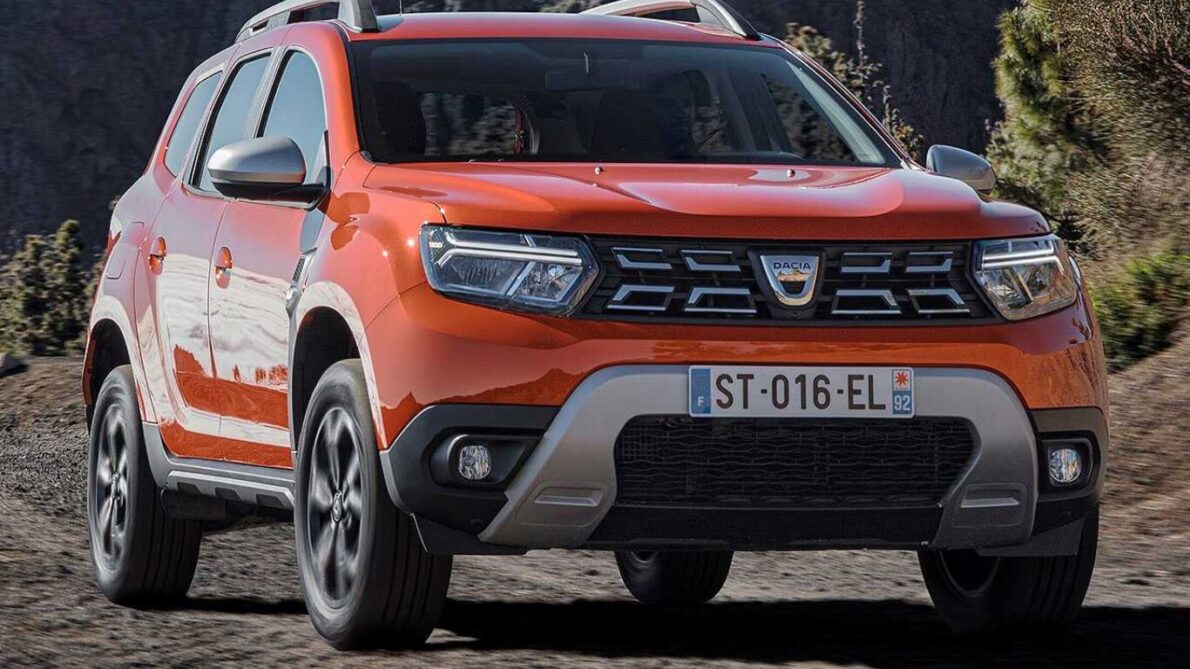
But it doesn’t stop there. Another widely discussed alternative is the arrival of a medium-sized coupe SUV, something that would put Renault in the ring with heavyweights like the Jeep Compass and Toyota Corolla Cross. And if you’re wondering, “Is Renault really thinking big?” the answer may lie in the Arkana, a coupe SUV that is successful abroad and could possibly make its way here too.
Hybrid Confirmed: What Can We Expect?
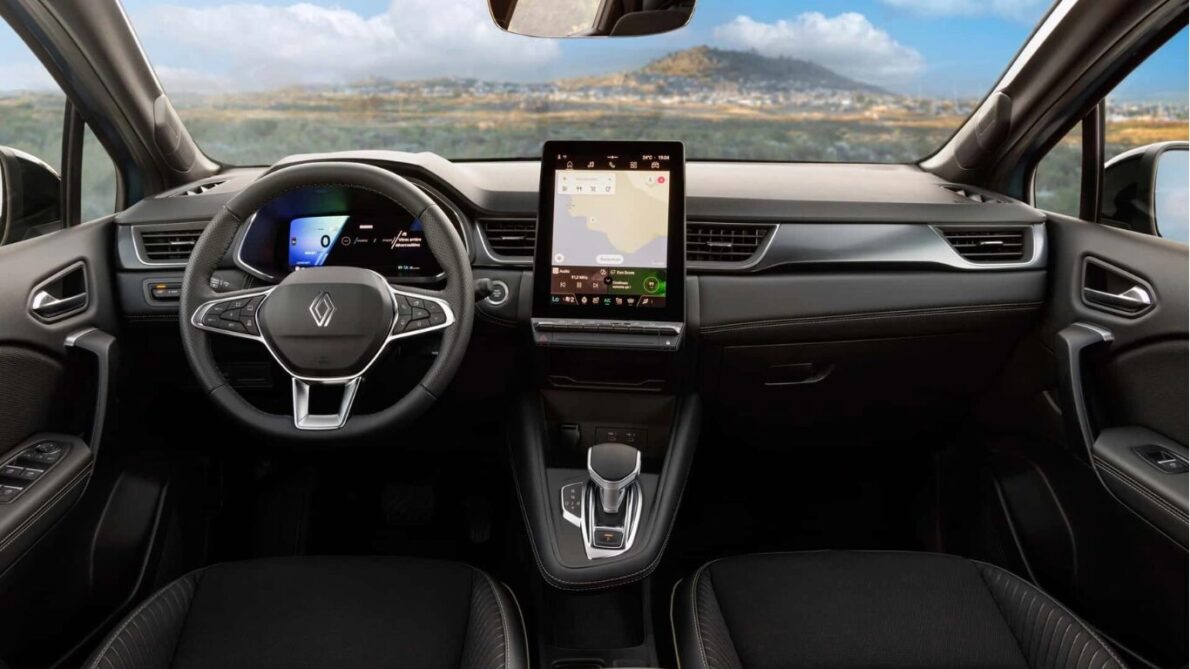
In addition to the new SUV, Renault has confirmed that it is working on a hybrid engine for Brazil. Although the details are still under wraps, the news is enough to excite fans of the brand and automotive technology enthusiasts. Today, Renault has several options for hybrid engines in Europe, ranging from mild hybrids to full hybrids. And who knows, one of these might land here soon?
The Captur, which is one of Renault’s main models in Europe, already has mild hybrid and full hybrid versions, using 1.0 TCe and 1.3 TCe engines. With the Brazilian market becoming increasingly receptive to electrified vehicles, it is likely that Renault is preparing to bring a hybrid set capable of competing with other automakers already operating in this segment.
The Future Of Renault In Brazil
With these launches, Renault is clearly positioning itself to grow in the Brazilian market, and it’s no surprise that expectations are so high. The combination of a new, possibly innovative SUV, with the introduction of hybrid technologies, shows that the automaker is aligned with global trends and ready to meet the demands of Brazilian consumers.
Now, the question is: will this strategy work? With a massive investment and a product portfolio that seems to be in tune with what the market wants, the chances of success are great. But only time will tell if Renault will manage to win the hearts of Brazilians and establish itself as one of the leading brands of SUVs and hybrid cars in the country.
And you, what do you think about Renault’s new strategy? Are you excited to see these launches on the streets? Leave your opinion in the comments and join the discussion!








Devido a pouca estrutura para carregar baterias jo Brasil, os HEV são a solução mais viável. São econômicos , não tão caros e tem boa aautin8mi. Além disso caso haja problemas de longo prazo com a bateria, vão rodar com o motor a combustão e não se transformarão em sucata.
Está chegando atrasada.