





 English
  Francês
  Alemão
  Italiano
  Japonês
  Norueguês
  Portuguese
  Spanish
 3 min of reading


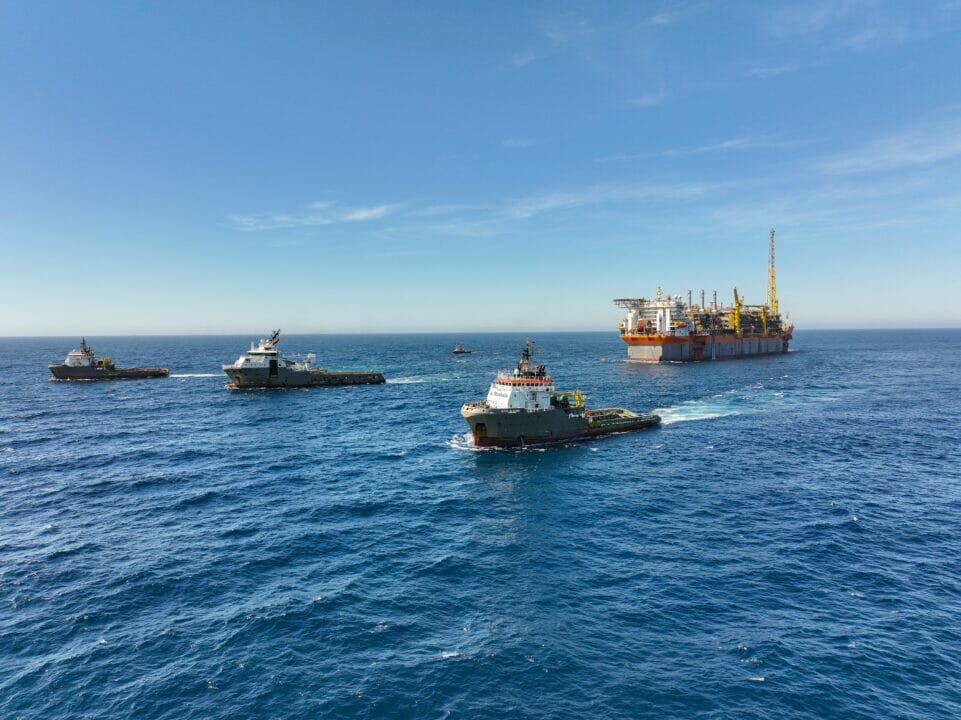
Daily Production of the FPSO Sepetiba Will Reach Impressive 720 Thousand Barrels Per Day, Further Consolidating Brazil’s Position as a World Leader in Deep Water Oil Production.
Brazil is about to witness a historic milestone in the oil industry with the arrival of the FPSO Sepetiba, coming directly from China. This revolutionary unit, of the FPSO type (floating production, storage and offloading unit), promises to boost oil and gas production in the pre-salt of the Santos Basin. Check out the details of this achievement and its potential impact on the Brazilian energy landscape.
Watch The Video Below and Check Out The FPSO Sepetiba Being Built in the Shipyard in China
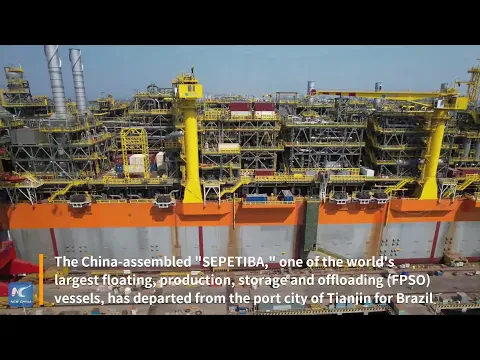

Arrival of a Giant That Will Boost the Brazilian Oil Industry
The FPSO Sepetiba landed on Brazilian soil on September 8, after an epic journey that brought it from the other side of the world. This impressive floating unit will undergo a series of technical and legal procedures before heading to the Mero field, located in the Libra block of the Santos Basin pre-salt. The expectation is that, by the fourth quarter of this year, the FPSO Sepetiba will be operational, significantly contributing to the national oil sector.
The highlight of this feat is the production capacity of the FPSO Sepetiba. Daily, this platform will have the capacity to extract up to 180 thousand barrels of oil and 12 million cubic meters of gas. This not only solidifies Brazil’s position as a key player in the oil industry but also strengthens international partnerships, such as the collaboration with China in constructing this giant.
-
Petrobras finds high-quality oil in the pre-salt at 113 km from RJ and reignites expectations about strategic reserves in the Campos Basin.

-
Ocyan opens registrations for startups focused on innovation in the oil and gas sector and will select projects for Innovation Day with the support of Nexio.

-
Petrobras announces new oil discovery in the pre-salt of the Campos Basin and reinforces Brazil’s prominence with high-quality reserves that can increase production and energy revenues.

-
Alert in the fuel market: Analysts and a former director of ANP warn that oil prices may worsen in the coming months due to global instability.

Besides The Collaboration With China, The Ship is The Result of a Strategic Partnership Between Petrobras and SBM (Responsible for Its Construction)
The FPSO Sepetiba is the result of a strategic partnership between Petrobras and SBM. SBM, responsible for its construction, has once again demonstrated its expertise in building floating production units. This collaboration represents a significant step for Petrobras, which seeks to expand its presence in the pre-salt, as well as strengthen its relationship with international partners.
The Mero field, operated by Petrobras with a 38.6% stake, is a gem of the Brazilian oil industry. This production unit will become the second definitive FPSO to be installed in the Mero field, which is the third largest field in terms of oil in place (OIP). With a total of four systems, the daily production capacity of crude oil will reach an impressive 720 thousand barrels per day, further consolidating Brazil’s position as a world leader in deep water oil production.
In addition to the collaboration with China, the unitized Mero field is the result of strategic partnerships with major players in the global industry. Companies like Shell Brazil, TotalEnergies, CNPC, and CNOOC are playing essential roles in the exploration of Brazilian pre-salt. Pré-Sal Petróleo S.A. – PPSA, representing the Union in the unlicensed area, also plays a crucial role in managing and overseeing the operations.
As the FPSO Sepetiba prepares to begin its operations in the Mero field, the Brazilian oil industry is on the verge of making a significant leap. This milestone will not only boost oil and gas production but also strengthen international partnerships and Brazil’s position as a global leader in the oil industry. With impressive production capacity and strategic collaborations, this is just the beginning of an exciting journey in Brazil’s energy sector.









Seja o primeiro a reagir!