





 Portuguese
  English
  Spanish
  5 min of reading
  0 comments


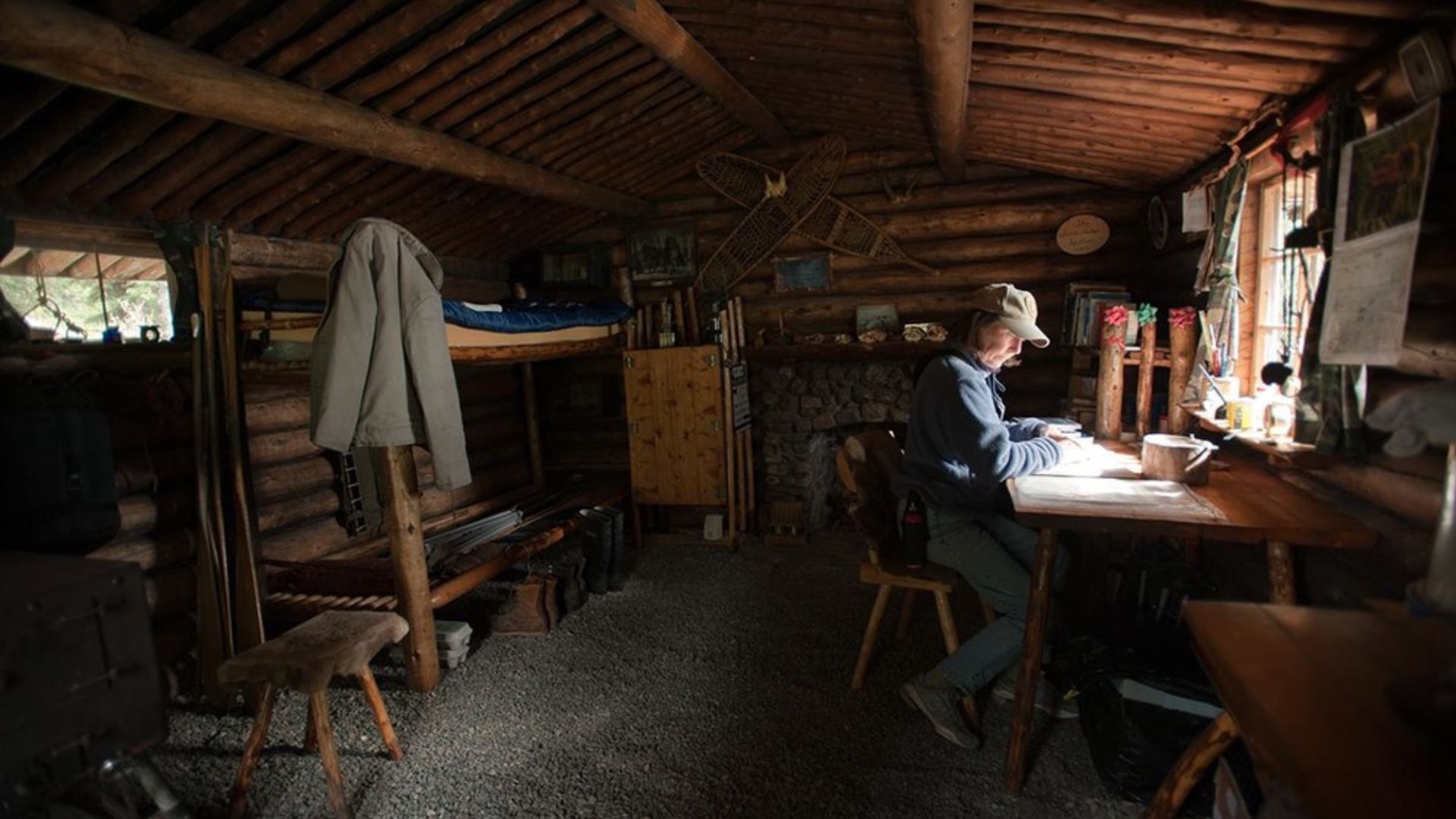
Solo Construction in Remote Region of Alaska Transformed a Rustic Cabin into a Historic Reference Recognized by the US Government, Highlighting Hand Techniques, Extreme Self-Sufficiency, and a Way of Life Preserved for Decades in One of the Most Isolated Areas of the Country.
A log cabin built in one of the most isolated settings in Alaska, without machines and using hand tools, has been registered in the main federal register of historic properties in the United States.
The construction is attributed to Richard L. Proenneke, who raised the shelter on the shores of Upper Twin Lake, now within the area managed by Lake Clark National Park & Preserve.
The site, known as Proenneke’s Cabin, has become a reference for traditional craftsmanship and a way of life grounded in self-sufficiency and simplicity.
-
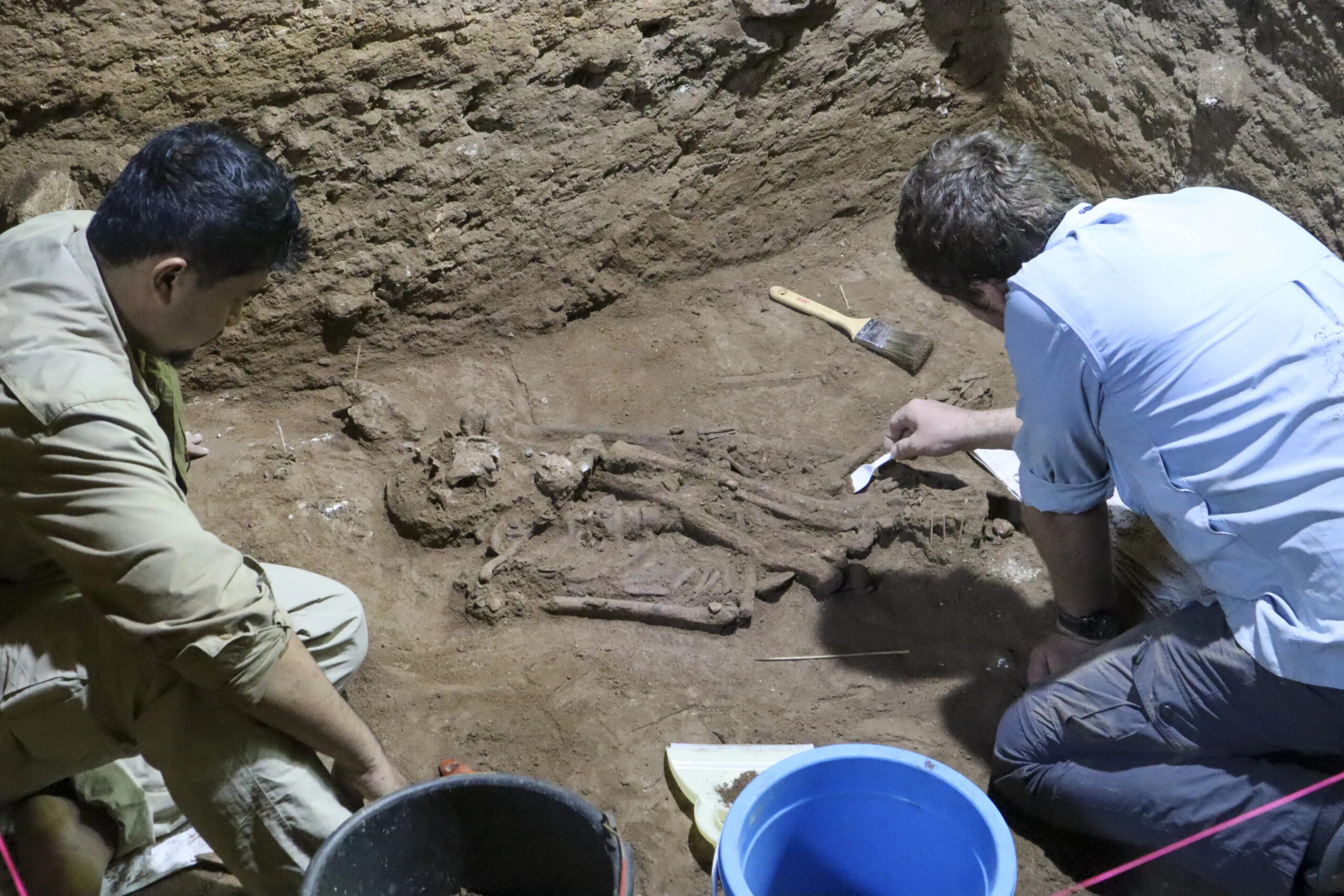
31,000 years ago, humans were already performing complex amputations with surgical precision without antibiotics, modern anesthesia, or a sterilized environment, and they made patients survive for years, as evidenced by the skeleton found in Borneo that rewrites the history of medicine on the planet.
-
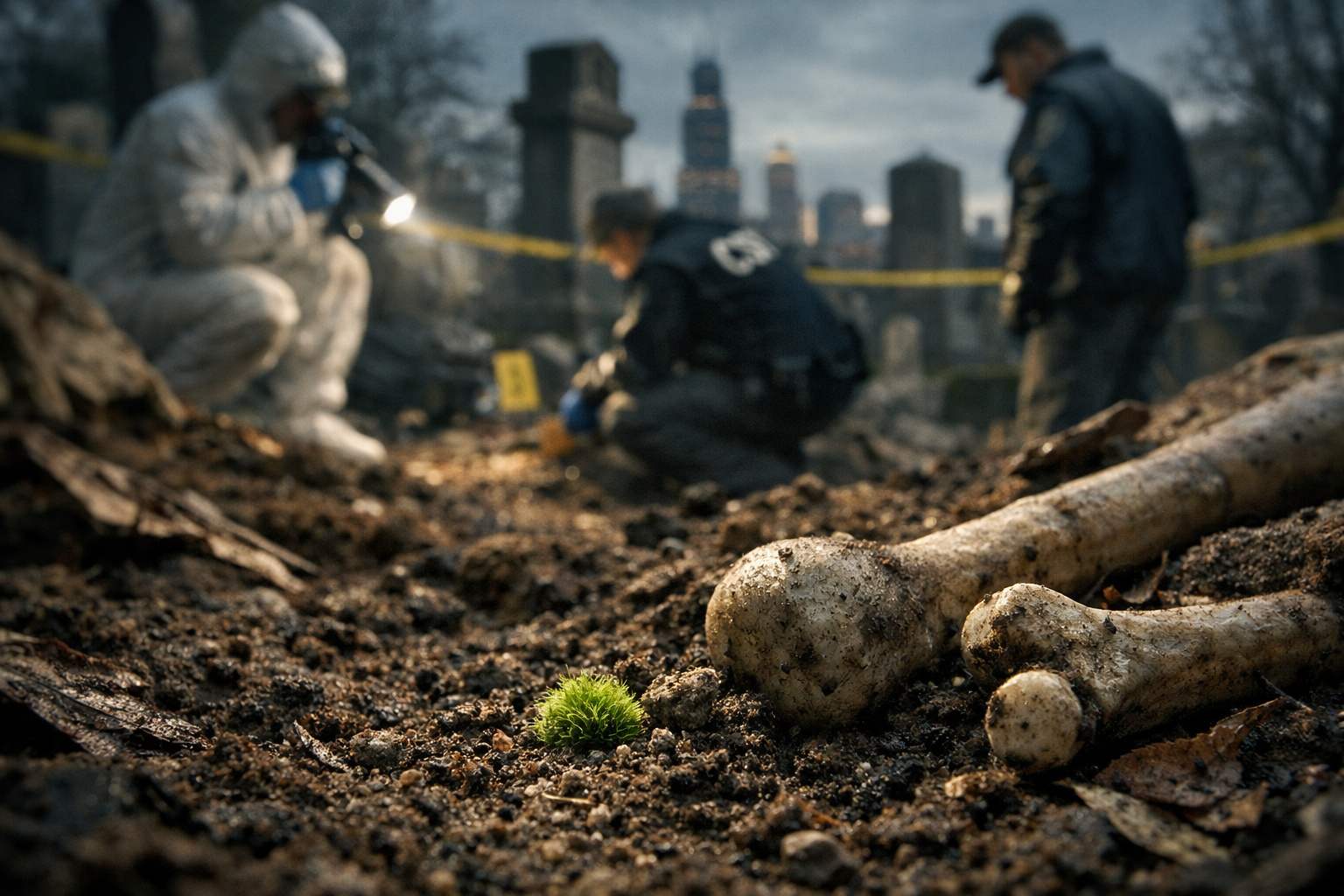
A fragment of moss the size of a grain of sand helped the FBI uncover a shocking tomb raiding scandal in the U.S. and exposed a scheme that lasted for years in Chicago.
-
Using drones, archaeologists identify a lost city founded by Alexander the Great that was buried for centuries in the Persian Gulf, and the discovery reveals a metropolis of 6 km² with a monumental palace.

-
The decommissioned ambulance that became a home with a kitchen, bathroom, and solar energy: a couple invested $3,000 and created a home on wheels.

Manual Construction in Extreme Isolation in Alaska
What stands out, in addition to the isolation, is the span of time. The cabin was built over the course of two consecutive summers, in 1967 and 1968. The choice was not only for milder weather.
The Twin Lakes region has harsh winters, and the ice-free period offers a practical window for cutting wood, preparing the ground, adjusting fittings, and safely transporting materials.
The National Park Service itself records that Proenneke primarily used local materials and simple tools, many of which he adapted, and that he filmed the entire construction process.
Traditional Techniques Without the Use of Machines or Electricity

The cabin has not been described by the agency as the first or the largest of the so-called “Alaskan Bush,” a term used for remote areas with little or no infrastructure.
The difference noted lies in the level of finishing, attention to functional solutions, and the audiovisual record made during the work.
Over time, this combination has helped transform a small shelter into an object of historical and cultural interest.
The National Park Service describes the main structure as a building approximately 12 feet by 16 feet, built with peeled and rounded spruce logs.
These logs were fitted with saddle notch joints at the corners. The roof is gable-style and was assembled with spruce poles, covered with grass, dirt, and moss.
The choice of a vegetative cover is not uncommon in cold environments.
The agency reports that the moss required constant moisture and that the cover has been adjusted over time with the addition of soil and grass seeds.
Functional Interior and Handcrafted Solutions
Details of the interior and carpentry solutions are also mentioned in the official description.
The door is of the Dutch type, divided into two leaves, with handcrafted hinges and wooden latch.
On the south wall, there is a fireplace made with stones collected from the area. There are windows on different sides of the cabin, with dimensions and materials officially described.
These elements reinforce the strictly functional character of the construction, designed to withstand severe weather variations and remain usable for long periods.
Auxiliary Structures and Survival Organization

The cabin does not stand alone on the grounds. The preserved ensemble includes auxiliary structures essential for survival in isolation.
One of the outbuildings is an elevated storage shed, known as a cache.
It was built on high posts, about 9 feet off the ground, and is accessed by a handmade ladder.
According to the park, the height is related to the risk of animals, as Proenneke lived without constant circulation of people or dogs in the area.
Another described structure is a shed that also functioned as an external bathroom, located several dozen feet from the main cabin.
The space was used for storing tools and firewood and followed the same rustic construction standard.
Life Without Electricity for Three Decades
The way of life associated with the site is an essential part of its historical recognition.
The National Park Service records that Proenneke lived in that shelter for about 30 years, without electricity, running water, telephone, or other modern conveniences.
The description highlights the coherence between the construction method and the decision to maintain a routine entirely independent of urban systems.
This set of choices helped solidify the site as a preservable example of traditional human occupation in the interior of Alaska.
Official Recognition as Historic Heritage

In 2007, the cabin and its outbuildings were listed on the National Register of Historic Places.
The register officially recognizes places of historical relevance in the United States.
According to the park, the inclusion is due to the fact that the ensemble is considered one of the best-documented examples of log cabins in Alaska, in addition to Proenneke’s public advocacy for environmental preservation.
The recognition did not turn the site into a conventional museum.
The cabin remains in a remote area, with visitation subject to park rules and logistical limitations of the region.
Diaries, Filmmaking, and Dissemination of History
Proenneke’s story gained wider reach starting in the 1970s.
The National Parks Conservation Association reports that the publication of “One Man’s Wilderness: An Alaskan Odyssey,” based on diaries and footage by the author himself, helped consolidate public interest in the site.
These records began to support new audiovisual materials and reports on the subject.
The combination of detailed documentation, extreme isolation, and hand techniques transformed the cabin from merely a remote shelter.
It came to be regarded as a cultural and historical landmark, associated with a way of life that is becoming increasingly rare.

The National Park Service informs that Richard L. Proenneke built the cabin during the summers of 1967 and 1968, using hand tools and primarily local materials, and that he recorded the construction process in film.
The agency describes the physical characteristics of the cabin, such as approximate dimensions, log fitting method, roof covering, attached structures, and the fact that Proenneke lived on-site for about 30 years without electricity and running water.
It is also recorded the listing of the ensemble in the National Register of Historic Places in 2007.
The National Parks Conservation Association points out the importance of diaries and footage in the dissemination of history following the publication of “One Man’s Wilderness: An Alaskan Odyssey.”
Without electricity, without immediate support networks, and with the weather dictating every decision. For you, how far could an ordinary person go to build and maintain a functional shelter on their own?





-

-

-

-

6 pessoas reagiram a isso.