





 Portuguese
  English
  Spanish
  4 min of reading
  0 comments


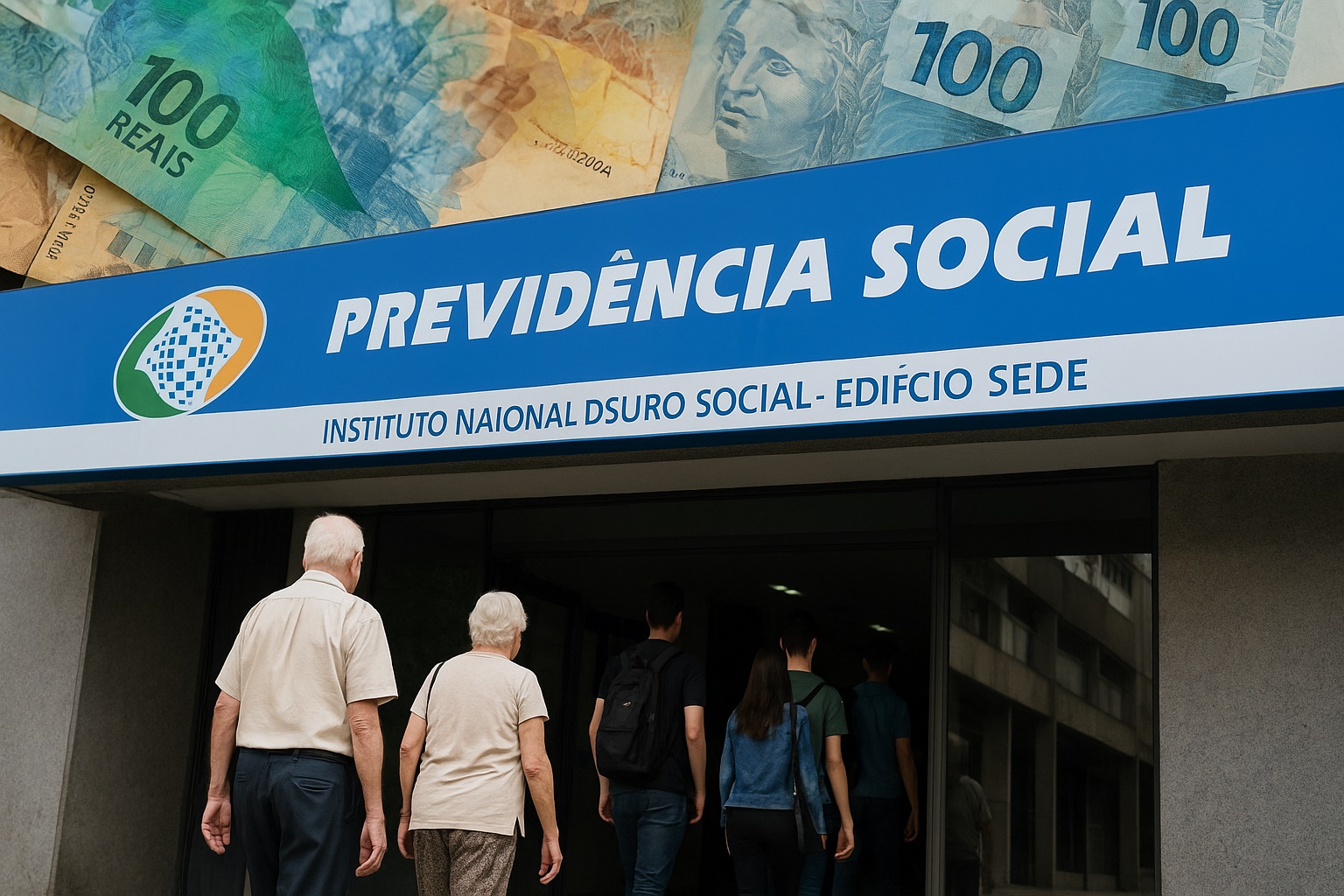
The Chamber of Deputies Approved a Proposal in Committee to Reduce the Minimum Age for Special Retirement for Those Working in Hazardous and Unhealthy Conditions. Understand the Details.
The possibility of retirement at 40 years old in Brazil gained momentum with the approval of a bill in the Social Security Committee of the Chamber of Deputies. The proposal significantly reduces the minimum age for special retirement for certain categories of workers exposed to unhealthy and hazardous conditions. While it still needs to advance through other legislative stages, the measure already draws attention for representing a drastic change in the current Social Security rules.
Who Could Retire at 40?
The approved text provides significant changes for professionals working in unhealthy and high-risk activities. According to the proposal:
- 40 years old: for workers who have worked 15 years in underground mining on the production front;
- 45 years old: for those who worked 20 years in activities away from the production front in underground mines or with exposure to asbestos;
- 48 years old: for those who have worked 25 years in risk positions, such as heavy metallurgy, radiology, emergency transport, agricultural inspection, and other professions exposed to harmful agents.
These ages are much lower than the current rules, which require 55 to 60 years for special retirement, depending on the length of contribution and the activity performed.
-
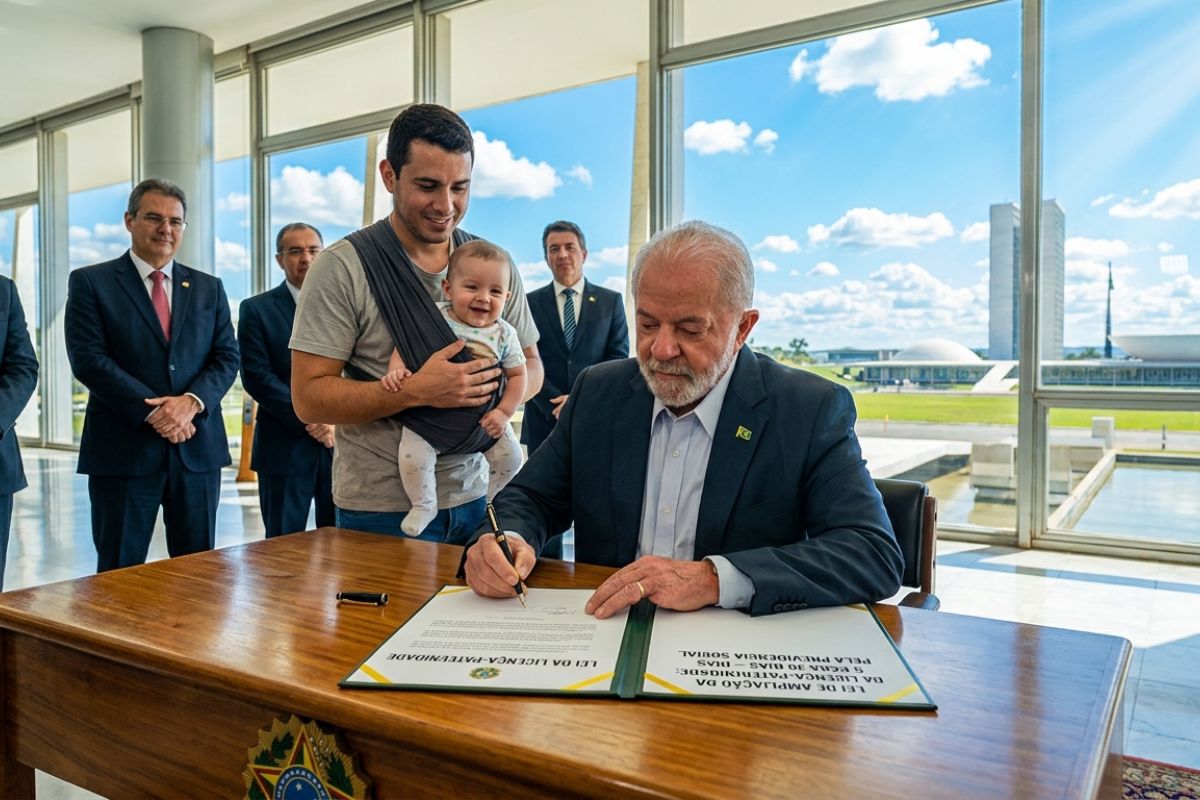
Government enacts new law: paternity leave increases from 5 to 20 days with gradual increases until 2029, and Social Security pays the paternity salary; companies no longer bear the absence cost, estimated at R$ 5.4 billion.
-
End of the 1-hour lunch break in the CLT? Current labor law maintains the break, allows for negotiated reductions, and defines rules for working hours and home office in Brazil.

-
Employee Fired After Accumulating 114 Days of Medical Leave in One Year, Labor Court Upholds Company’s Decision

-
Employee Fired While Treating Depression Wins in Court and Vale Is Required to Rehire Him Following Decision Based on the CLT and INSS Benefits


The Benefit Calculation: 100% of the Average Salary
Another important change proposed by the project is in the retirement calculation. Currently, beneficiaries receive 60% of the average salary of all contributions, with an additional 2% for each year beyond the minimum required.
With the new rule, the amount would be calculated based on 100% of the average salary of the contributions, ensuring a retirement closer to the actual income that the worker had while active.
In practice, this would represent a substantial increase in the income of future retirees who fall into this category.
Current Status of the Project
Despite the impact of the headlines, it is important to make it clear: retirement at 40 is still not a reality in Brazil.
The project was approved only in the Social Security Committee of the Chamber. Now, it needs to go through two other important committees:
- Committee on Finance and Taxation (CFT) – which will evaluate the budgetary and financial impact of the measure;
- Committee on Constitution and Justice (CCJ) – which will analyze the constitutionality of the text.
If approved at these stages, the project will proceed to a vote in the Chamber plenary and then to the Federal Senate. Only after all this process and with presidential sanction can it come into effect.
Why Is This Proposal Controversial?
The idea of allowing retirement so early divides opinions:
- In Favor: proponents argue that workers exposed to risks and harmful agents cannot be treated the same as those working under normal conditions. Reducing the minimum age would be a form of social justice, ensuring rest and protection for those who face heavier workloads.
- Against: critics point out that the measure could put even more pressure on the social security system, which is already strained by an aging population and a deficit in social security accounts.
How Special Retirement Works Today
Currently, special retirement already exists for workers in unhealthy environments, but it follows stricter rules after the Social Security Reform of 2019:
- Minimum Age: ranges from 55 to 60 years;
- Contribution Time: 15, 20 or 25 years, depending on the level of exposure to risk;
- Benefit Amount: 60% of the average salary + 2% for each additional year.
The project under discussion in the Chamber proposes to reduce the minimum ages and increase the benefit amount, making it more attractive and comprehensive.
What to Expect Going Forward? Is the Law Already in Effect?
There is currently no deadline for the project to advance in the next committees, but the approval in the Social Security Committee has already been an important step. If approved at all stages, Brazil may see, for the first time, retirement at 40 years legalized for a category of workers.
Until then, however, it is essential to highlight: no worker can currently retire at 40 years through INSS. What exists is a proposal under debate, still subject to changes in Congress.









-

-

3 pessoas reagiram a isso.