





 English
  Francês
  Alemão
  Italiano
  Japonês
  Norueguês
  Portuguese
  Spanish
  4 min of reading
  0 comments


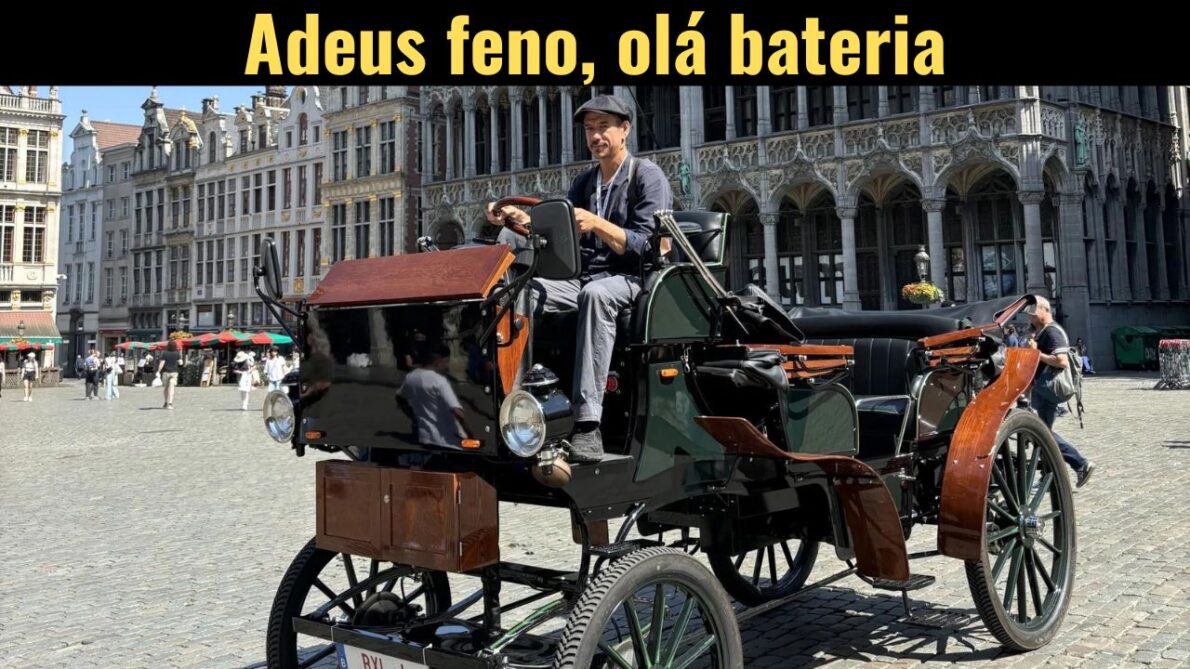
The Belgian Capital Takes An Important Step In Sustainable Tourism By Replacing Horses With Electric Carriages, Earning Applause From Tourists And Activists.
Brussels has not only made history by replacing traditional carriages with electric ones, but it is also inspiring other cities to follow suit. This change, which began in June, is already transforming the tourist experience in the heart of the Belgian capital and eliminating the use of animals in sightseeing tours.
The decision has been widely celebrated by residents, tourists, and animal protection organizations like PETA, who praised the choice of a more sustainable and ethical mode of transport. But this change also raises interesting debates about the future of tourism in historic cities.
The End Of Traditional Carriages
A novelty emerged from the hands of Thibault Danthine, the former owner of horse-drawn carriages in Brussels. In 2022, Danthine was already concerned about the growing discomfort of tourists and activists with the use of animals. That year, after selling his horses, he sought support from the city council to fund his electric carriages. And it worked! The change was seen as a milestone not just for the city, but for all of Europe.
-
China Surprises Automotive Industry With Battery That Promises Electric Car Able to Run Up to 1,000 km Without Recharge
-
Why BYD Grew So Fast in Brazil and How Blade Batteries, Electric Cars, and Industrial Incentives Shaped This Expansion in the National Automotive Sector
-
Electric Cars Make Progress in Brazil in 2026 and Promise to Reduce Drivers’ Costs with Cheaper Energy, While Infrastructure Grows Slowly Across the Country
-
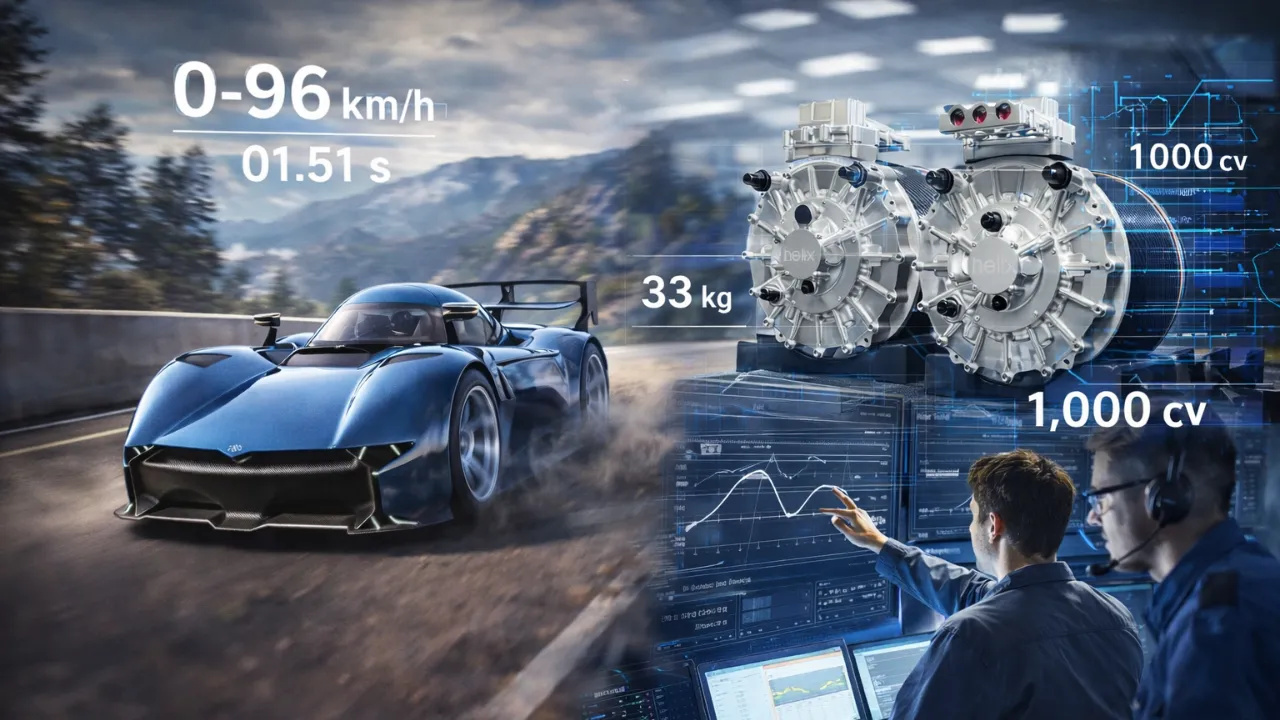
This Helix Electric Motor Weighs Only 33 Kg and Turns the McMurtry Spéirling Into a Compact 1,000 Hp Missile That Takes Just 1.5 Seconds to Reach 100 Km/H

Criticism of the use of animals in tourism gained momentum after the death of a horse in Seville in 2023 during a heatwave. Since then, protests have intensified, but Thibault had already anticipated, investing in his first two electric vehicles. According to him, many tourists were dissatisfied with the use of horses and complained about the noise and smell on the streets. There were even some who yelled “Shame!” as the carriages passed through the city.
Support From Residents And Tourists
The acceptance of the change was swift. Brussels, known for its stunning architecture and bustling streets, gained a new attraction with electric carriages. Residents and tourists approved of the initiative. Sari, a local student, celebrated the change: “The horses made too much noise and smelled bad. It was cruel to leave them outside for so many hours with so much tourist traffic.”
The transition was even better received with the support of PETA, which celebrated on X (formerly Twitter): “We love the new horse-free electric carriages in Brussels. After banning horse-drawn carriages, Brussels became the first European city to offer this new eco-friendly means of transport to tourists.”
Technical Details Of The Electric Carriages
For those who think the new vehicles lack charm, it’s worth highlighting the technological innovation behind them. Thibault’s electric carriages have an impressive range of 120 km. That is, he only needs to recharge the batteries every two days, which makes daily work much easier.
The carriages are completely silent and do not emit polluting gases, enhancing the experience for both those on the ride and those living in the city. The change has drawn the attention of other European cities interested in adopting the same model for their sightseeing tours.
The Price And Experience Of The Rides
For those wanting to experience this novelty in Brussels, the ride costs €70 – equivalent to R$ 432. The electric carriages can accommodate up to five people, ensuring a comfortable and modern experience without sacrificing contact with the historic city. And more: tourists leave with a clear conscience, knowing they are contributing to a more ethical tourism.
Brussels’ Decision To Adopt Electric Carriages Is Already Making Waves
Brussels’ decision to adopt electric carriages is already making waves across Europe. The positive impact on animals, the reduction of noise pollution, and the decrease in carbon emissions is inspiring other cities to rethink their practices. What started as a response to the ethical demands of tourists and activists may become a new trend in sustainable tourism in historic areas.
Ultimately, the replacement of traditional carriages with electric carriages in Brussels proves that it is possible to maintain the charm of a historic city while moving towards a more sustainable and ethical future.
So, what do you think of this change in Brussels, with electric carriages replacing horses in the carriages? The city is setting an example of more ethical and sustainable tourism, but it’s also raising debates about the future of sightseeing in historic places.










Seja o primeiro a reagir!