





 Portuguese
  English
  Spanish
  3 min of reading
  0 comments


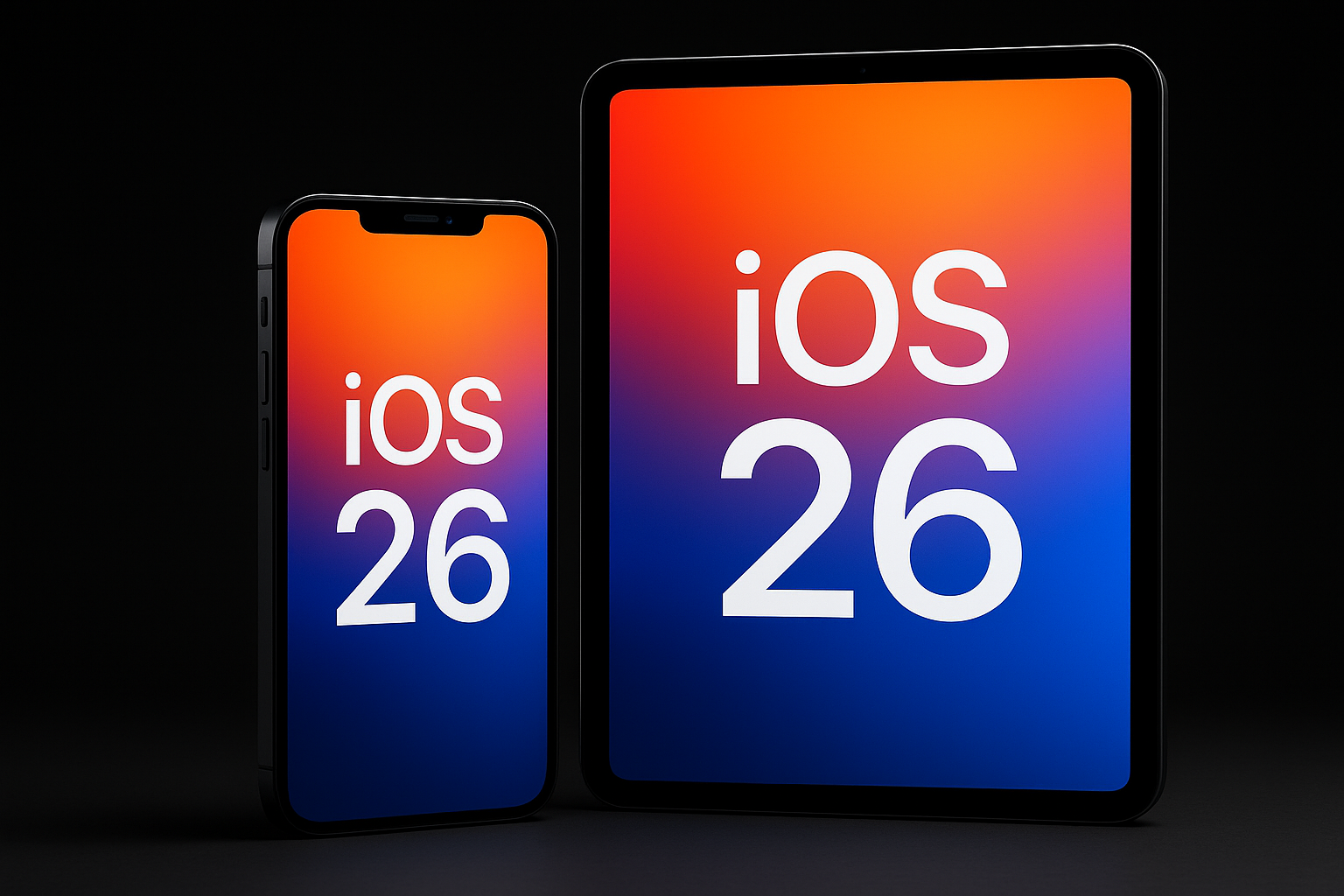
Strategic Change Aims to Unify Systems and Align Versions with Release Year
Apple is about to implement a significant change in its operating systems. According to information from journalist Mark Gurman at Bloomberg, the company plans to jump from iOS 18 directly to iOS 26, adopting a new naming convention based on the year of release. This change will be officially announced during the Worldwide Developers Conference (WWDC) 2025, scheduled for June 9.
Unification of Operating Systems
The primary motivation behind this change is the standardization of Apple’s operating system names. Currently, each system has a distinct numbering, which can cause confusion among users. With the new approach, all systems including iOS, iPadOS, macOS, watchOS, tvOS, and visionOS will adopt the same numbering, corresponding to the year following the release. Thus, instead of iOS 19, we will have iOS 26, aligning with the year 2026. This strategy aims to make it easier for users to identify versions and create coherence among the various systems of the company. Furthermore, the change could simplify Apple’s marketing and communication processes, making the understanding of available updates more intuitive.


New Design Inspired by visionOS
In addition to the naming change, Apple is expected to unveil a new design for its operating systems, codenamed “Solarium”. Inspired by the visual of visionOS, the new design will bring translucent elements, redesigned icons, and a more modern and cohesive interface. This overhaul will be broadly applied, affecting all of the company’s systems, and represents the biggest visual change since iOS 7, released in 2013. The goal is to offer a more unified and fluid user experience, regardless of the device used. With this, Apple aims to strengthen its visual identity and provide a more intuitive and enjoyable navigation experience for users.
-
While the world looks at oil, the war with Iran is already disrupting helium supply from Qatar, affecting car and iPhone chips, threatening AI expansion, and putting pressure on aluminum packaging at the highest value in four years.

-
Global warming will expose a treasure hidden under the ice of Antarctica and may spark an international dispute over gold and valuable minerals.

-
A street vendor from Praia Grande built a robot made of scrap from scooters and washing machines that pulls his popcorn cart on the beach, emits sounds, and interacts with customers, becoming an attraction on the coast of São Paulo.

-
The specifications of the Xiaomi 18 Pro Max have been leaked, and the highlight is a dual 200 MP camera with a new 22-nanometer technology that promises to consume less energy and capture details in shadows and bright areas using LOFIC HDR.

Expectations for WWDC 2025
WWDC 2025, taking place from June 9 to 13, will serve as the stage for these changes to be announced. During the event, Apple is expected to detail updates to the operating systems, including the new naming standard and the “Solarium” design. Additionally, it is anticipated that the company will present advancements in artificial intelligence, with improvements to Siri and new features integrated into the systems. Although Apple has yet to officially confirm this information, the credibility of Mark Gurman and the consistency of the rumors indicate that changes are imminent. The expectation is that updates will be available to the public in the second half of 2025, after the beta testing period.
Impact on Users
For users, the main change will be in the identification of the versions of the operating systems. Instead of following the traditional numeric sequence, the versions will reflect the year of release, making it easier to understand and track updates. Furthermore, the new design promises a more modern and integrated experience, aligned with current interface and usability trends. With these changes, Apple also reinforces its commitment to innovation and the continuous improvement of its products and services. Therefore, the adoption of a unified standard for naming and design represents an important step in the evolution of the company’s operating systems. This way, Apple aims to provide a more cohesive and, above all, more intuitive experience for all its users.










Seja o primeiro a reagir!