





 Portuguese
  English
  Spanish
  5 min of reading
  0 comments


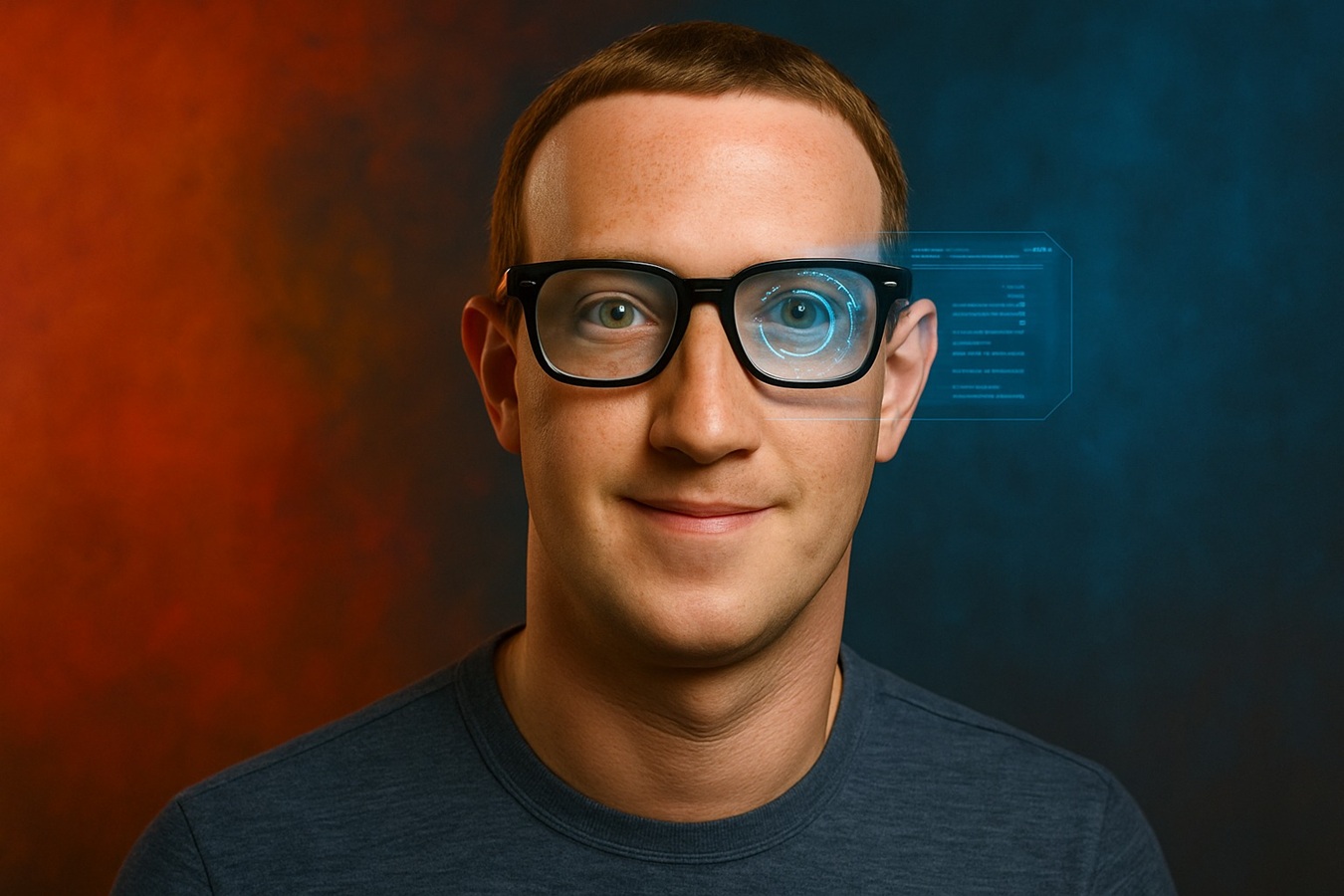
Mark Zuckerberg Provoked Apple Again By Presenting His Vision For The Future Of Personal Technology. In A Recent Manifesto, The CEO Of Meta Argued That Advanced Artificial Intelligence Will Open Up Space For Completely New Devices Capable Of Replacing Smartphones As The Main Form Of Digital Interaction.
Mark Zuckerberg, CEO of Meta, openly challenged Apple’s dominance in the personal device market once again.
In a manifesto released the same week that Meta’s and other tech giants’ profits made headlines, the executive reinforced his vision that the world is moving toward a post-smartphone era.
For him, advanced artificial intelligence will pave the way for devices such as smart glasses, capable of understanding the context because they “see” and “hear” the same as the user.
-
Archaeologists discover in China a 5,000-year-old tomb with over 350 artifacts, nearly 200 jades, and signs of intentional destruction, in a discovery that could be the gateway to a lost prehistoric kingdom.

-
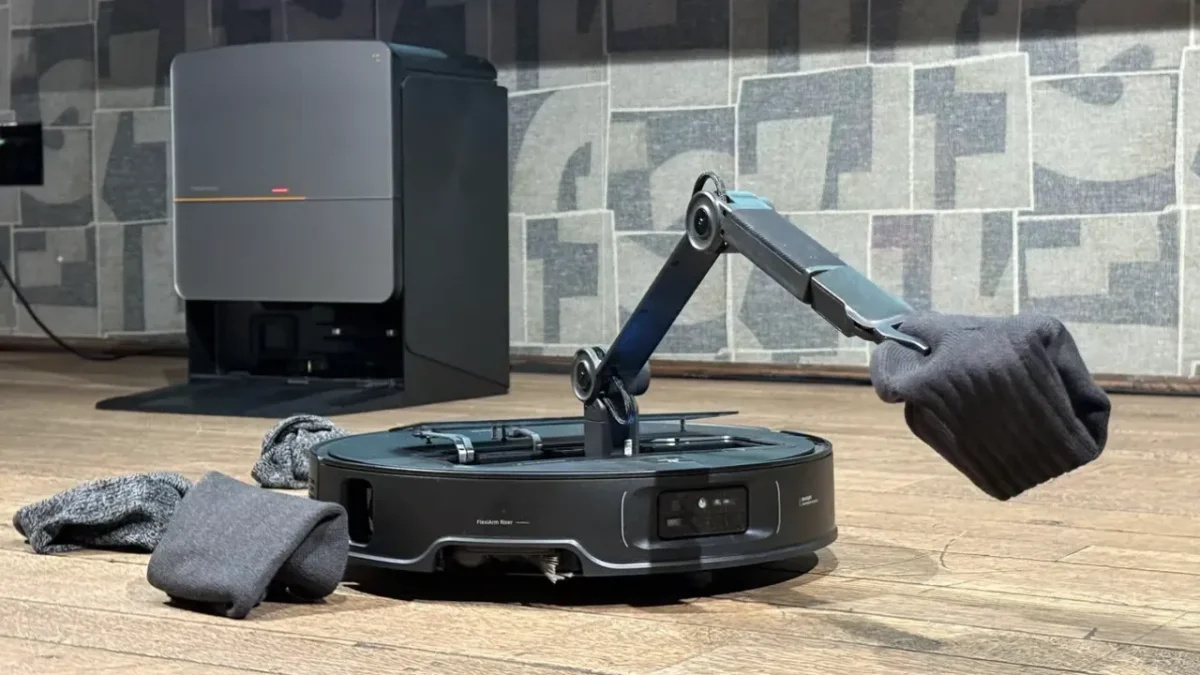
A vacuum robot with a five-axis mechanical arm capable of picking up objects from the floor, avoiding obstacles in real time, and continuing to clean on its own inaugurates a new generation of appliances that see, think, and act within the home.
-
Geographers redefine the Brazilian relief and confirm the presence of mountains in 14 states with a new system that changes historical criteria and alters the way the territory is classified.

-
At a depth of 3,800 meters in the Atlantic, scientists have discovered a “lost city” with white towers up to 60 meters tall that has been active for over 120,000 years without relying on volcanoes.


Old Dream And Renewed Bet
What matters most to Zuckerberg is that this transition represents a new opportunity to compete with Apple.
For years, he has been trying to dethrone the company as the leading supplier of personal computing devices.
He invested in smartphones, virtual reality glasses, and augmented reality, but without the expected impact.
Now, he is upping the stakes, offering packages of up to US$ 100 million to attract talent in artificial intelligence.
The concept of “personal superintelligence” may allow Meta to create its own ecosystem of hardware and software, similar to Apple’s, but with its own identity and integration.
Race For The Next Central Device
The competition doesn’t just involve Meta. Amazon acquired Bee, a startup that makes bracelets capable of logging the user’s daily activities and allowing AI to create reminders and task lists.
Sam Altman from OpenAI teamed up with Jony Ive, former head of design at Apple, to develop a new AI physical device, still without a defined form.
However, Zuckerberg believes that glasses will be the winning format.
Meta already sells models that look like regular glasses but have a camera, microphone, and speaker built-in.
They capture photos, videos, and audio, valuable resources for artificial intelligence systems. The company’s product roadmap includes embedded screens in the lenses, creating a direct visual interface for the user.
Multimodal Functions And Independence
For the CEO of Meta, integrating displays into glasses will enable multimodal interactions with AI assistants.
This way, the device could see the environment, generate interfaces, and display useful information in real-time. Today, the product still depends on a smartphone, but the idea is to make it independent.
Voice commands would replace keyboards and touchscreens, changing the way people interact with technology.
Apple Maintains Focus On The iPhone
While Zuckerberg bets on new formats, Tim Cook defends the central role of the iPhone.
According to the executive, it is hard to imagine a world without the device, which connects people, offers apps, captures photos and videos, makes payments, and organizes financial life.
Cook admits to studying other devices but believes they will be complementary, not substitutes.
This difference in vision shows that, despite the advancement of AI, Apple remains confident in the iPhone as the core of its ecosystem.
Historical Rivalry
Facebook emerged shortly before the mobile computing revolution, driven by the iPhone. In a few years, Zuckerberg had to adapt his platform to the app economy.
He tried to launch his own phone, but Apple and Android already dominated the market. These platforms charged up to 30% of sales made within apps, something that still bothers Zuckerberg today.
The dependency continues, as most access Facebook, Instagram, and WhatsApp through iPhones, keeping Meta tied to Apple’s ecosystem.
Attempts And New Hopes
Virtual reality and the metaverse seemed to open a new advantage for Meta but did not become popular.
Apple is also investing in extended reality glasses, while AI emerges as a new frontier. Zuckerberg admits that years ago, many believed that immersive holograms would arrive before truly powerful AI.
However, technological advancement has reversed that order.
“Letter” About Personal Superintelligence
In the manifesto “Personal Superintelligence,” released on July 30, 2025, Zuckerberg wrote that in recent months, signs of AI systems improving themselves are already noticeable.
The advancement is slow but inevitable. For him, this technology will improve existing systems and enable the creation of things that are unimaginable today.
The executive recalls that, 200 years ago, 90% of people were farmers.
Technology freed part of humanity from subsistence, allowing advances in science, health, culture, and quality of life.
He believes that superintelligence will follow this trajectory, now focusing on individual empowerment.
According to Zuckerberg, the most profound impact will not come just from the abundance produced by AI, but from the fact that each person could have an assistant who understands their goals and helps them achieve them.
This personal assistant could support the creation of projects, the experience of experiences, the strengthening of relationships, and individual growth.
The Vision Of Meta
Zuckerberg claims that Meta wants to bring personal superintelligence to everyone.
It differentiates itself from companies that aim to centralize the use of AI to automate all valuable work and distribute the results.
For him, progress has always come from individual aspirations, and this will be even more important in the future.
The company’s focus is on the intersection of technology and everyday life. He predicts that people will spend less time on productivity software and more on creating and connecting.
In this scenario, glasses that see and hear what the user does could become the main computing device.
Security And Distribution
The CEO acknowledges that superintelligence will bring unprecedented risks and requires care in what will be made available openly.
Still, he believes that the strengthening of a free society depends on placing that power in the hands of the people.
For him, the rest of the decade will be crucial in defining whether superintelligence will be a tool for empowerment or a mechanism for mass replacement of human functions.
Zuckerberg says that Meta has the resources, expertise, and infrastructure to deliver the technology to billions of users.
He sees prioritizing the company’s efforts towards this future as a goal.
The goal is clear: transform its smart glasses into the next central device, reconfiguring the hierarchy of the industry and ushering in a new era in the technology market.







-

Uma pessoa reagiu a isso.