





 Português
  Inglês
  Espanhol
  2 min de leitura
  5 comentários


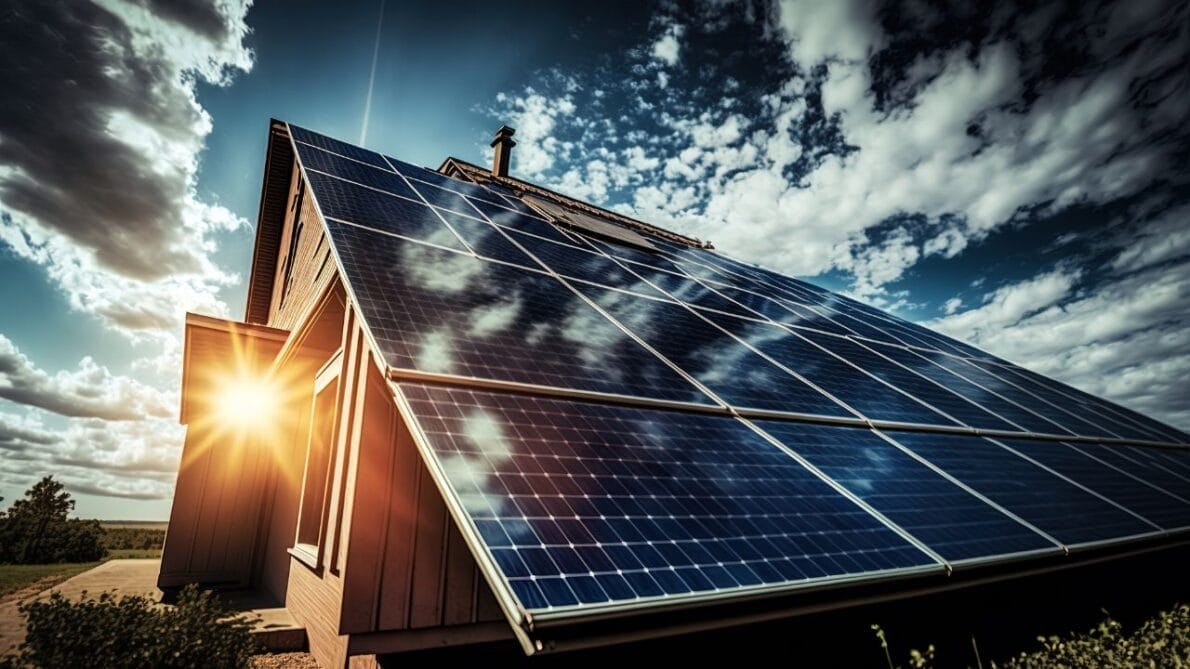

Want To Know How To Size The Batteries For Your Solar Energy System? We Show You The Complete Step-By-Step! Let’s Calculate The Number Of Batteries Needed To Ensure That Your Off-Grid Solar Energy Works Perfectly, Even Without Sun.
First, we need to know the daily consumption of the devices that will be powered by the batteries and off-grid solar energy. A 150W refrigerator, a 125W TV, a 12W router, and five 9W light bulbs add up to a total daily consumption of 2.258 kWh. Rounding it off, we get 2.26 kWh.
To start, it is essential to understand the daily consumption of your equipment. Let’s consider a refrigerator (150W), a TV (125W), a router (12W), and five light bulbs (9W each), resulting in a total consumption of 2.258 kWh per day. This value will be rounded to 2.26 kWh for easier calculations.
How Many Batteries Are Needed For Off-Grid Solar Energy


To correct the consumption due to the efficiency of the inverter and batteries, we use a correction factor. Considering an efficiency of 85% for both, our correction factor is 0.72. Dividing the corrected consumption (2.26 kWh) by 0.72, we get approximately 3.14 kWh per day.
-
The Sol do Agreste Photovoltaic Complex begins operations in Pernambuco and accelerates the expansion of solar energy in Brazil, directly impacting the reduction of emissions and strengthening the sustainable energy matrix.

-
The Sol do Agreste Photovoltaic Complex begins operations in Pernambuco and accelerates the expansion of solar energy in Brazil, directly impacting the reduction of emissions and strengthening the sustainable energy matrix.

-
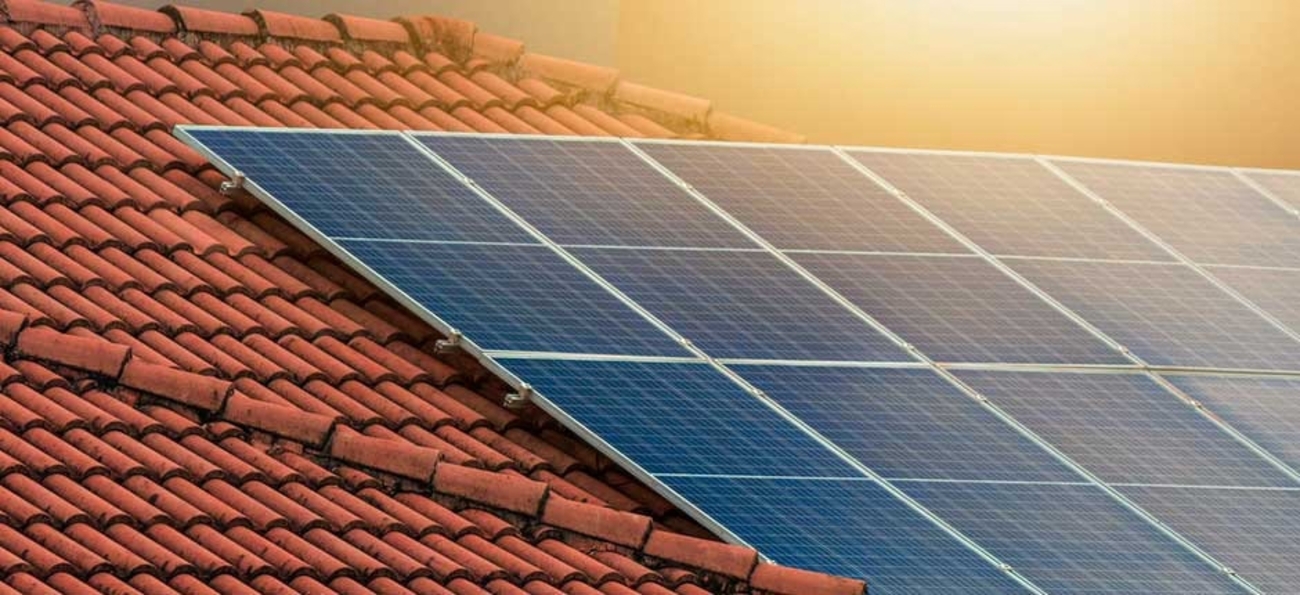
Roraima bets on the sun to escape high tariffs: Amid the energy crisis and price hikes, solar energy is growing in Roraima and transforming consumption in the North region.
-
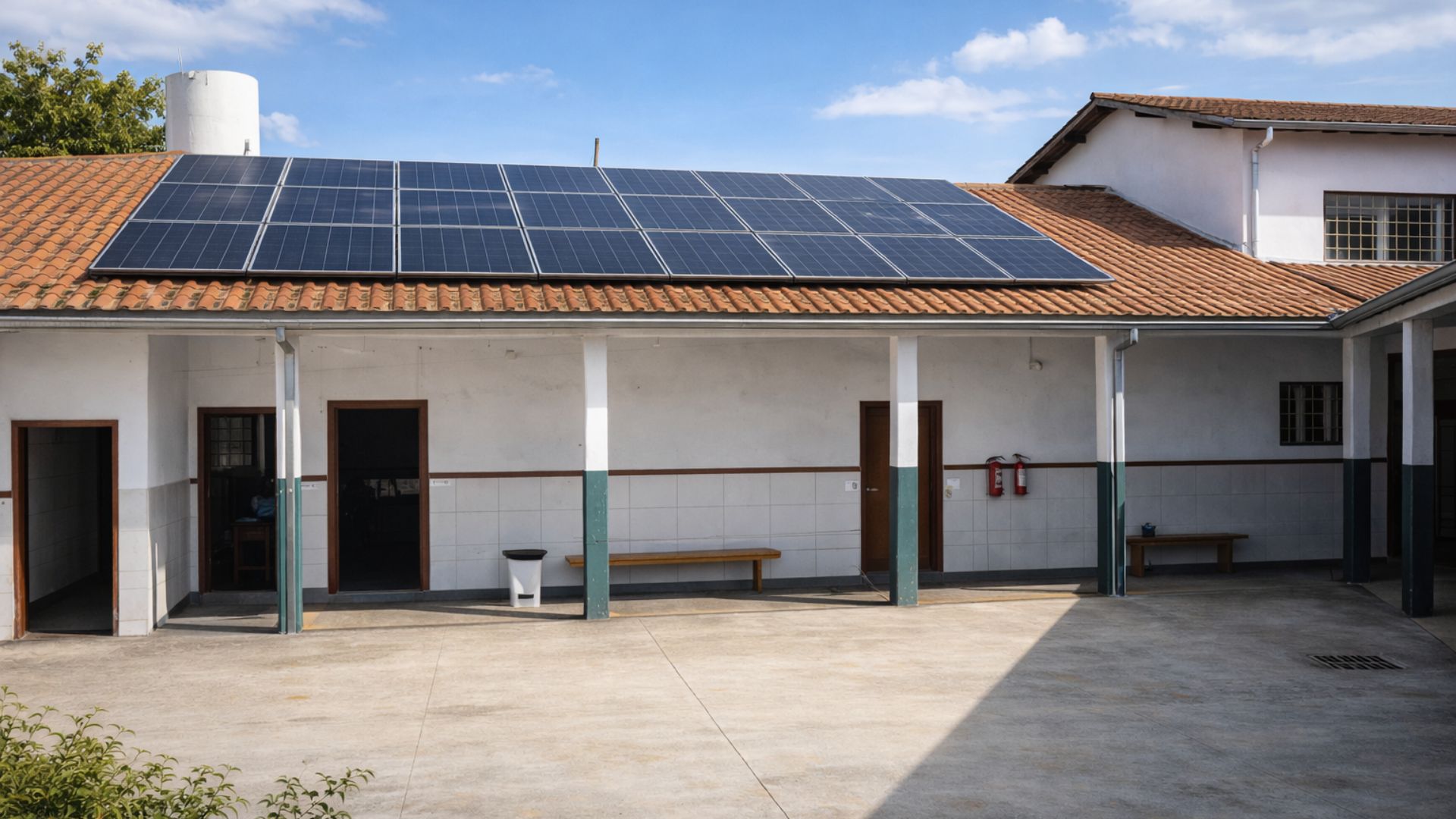
Copel boosts solar energy in Paraná and brings innovation to public schools, promoting savings on electricity bills, energy efficiency, and a direct impact on the quality of education.

Now, to determine how many batteries are needed, we need to consider the system’s autonomy. We choose a one-day autonomy and a depth of discharge of 30%, recommended for lead-acid batteries. With this, the required stored energy is 10.46 kWh (3.14 kWh divided by 0.3).
The capacity of the batteries is expressed in ampere-hours (Ah). Dividing 10.46 kWh by the battery bank voltage (24V), we get 436 Ah. Using 220 Ah lead-acid batteries, we need two batteries in parallel (436 Ah divided by 220 Ah). For the bank voltage, we need two 12V batteries connected in series to obtain 24V.
Sizing The Batteries For Your Off-Grid System Doesn’t Have To Be Complicated
Therefore, for an off-grid solar energy system with a daily consumption of 2.26 kWh, using 220 Ah lead-acid batteries and a depth of discharge of 30%, we need four batteries (2 in parallel and 2 in series).
Sizing the batteries for your off-grid solar energy system doesn’t have to be complicated. By following these steps, you ensure that your system operates efficiently, even on days without sun. So, have you thought about disconnecting from the grid and adopting off-grid solar energy in your home? Leave your questions and experiences in the comments!









Gostei muito. Mais não vi de quantos watts de potência seria o inversor.
Faltou mostrar o diagrama de ligação das baterias: dois conjuntos, de duas baterias em série, ligados em paralelo. Para manter os 24 V e os 220 Ah.
Muito bem explicado, diferente de grande parte de demonstrações que não obedecem as normas. Uma casa média, com 3 ar condicionados, além dos demais eletrodomésticos, consumiria umas 20 x a demonstração acima