






 Portuguese
  Spanish


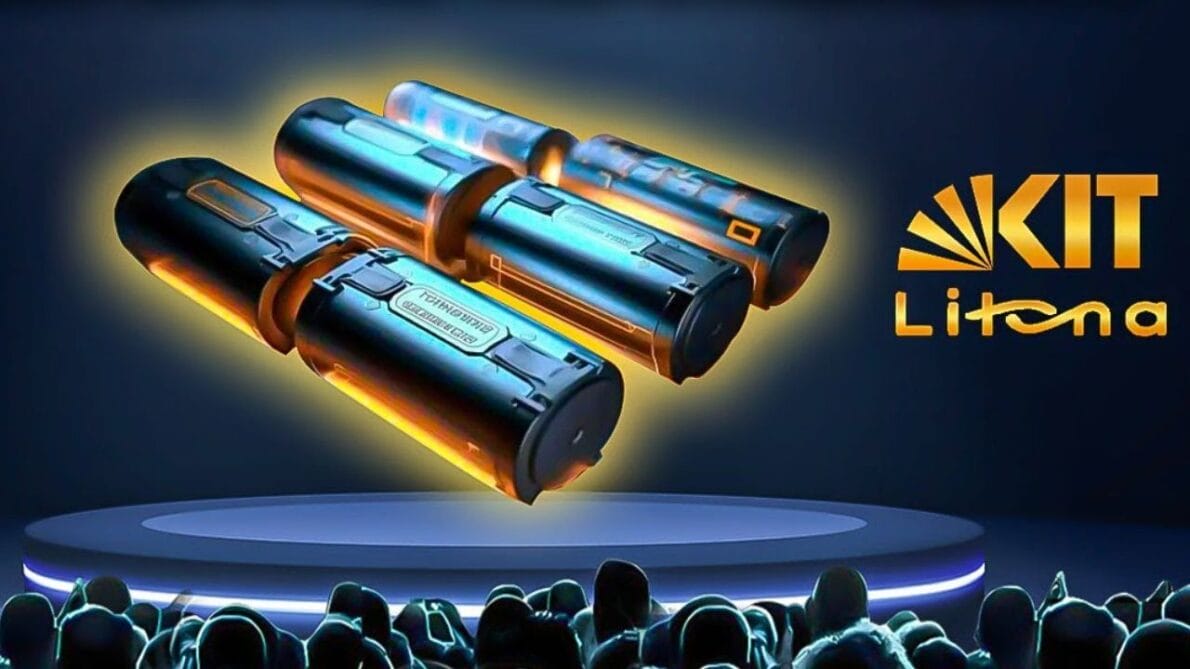

Germany Has Just Launched an Innovation That Promises to Revolutionize the Electric Vehicle Industry: The Sodium-Ion Battery. This Technology Can Replace Lithium Batteries, Offering More Efficiency and Safety.
The search for more efficient and safer batteries has taken a new turn. Researchers in Germany have announced a significant innovation: the sodium-ion battery. This advancement could change the course of the electric vehicle industry, challenging the dominance of lithium batteries.
A new sodium-ion battery developed in Germany promises to transform the electric vehicle industry. This innovation offers not only greater efficiency but also more safety and lower production costs. With these advantages, the new battery could replace traditional lithium batteries, ushering in a new era for electric vehicles.
The Advancement of the Sodium-Ion Battery
The German company Leona, born at the Karlsruhe Institute of Technology, revealed a new sodium-ion battery with impressive performance. This battery has a very high thermal efficiency and can operate well even at lower temperatures, where other batteries fail. This advancement is crucial for use in electric vehicles, especially in cold climates.
-
Chery Offers Lifetime Battery Warranty and Car Replacement for Major Failures Under New Chinese Regulations

-
Nissan Discontinues Qashqai SUV Amid Cost-Cutting, Chinese Competition, and Product Line Review
-
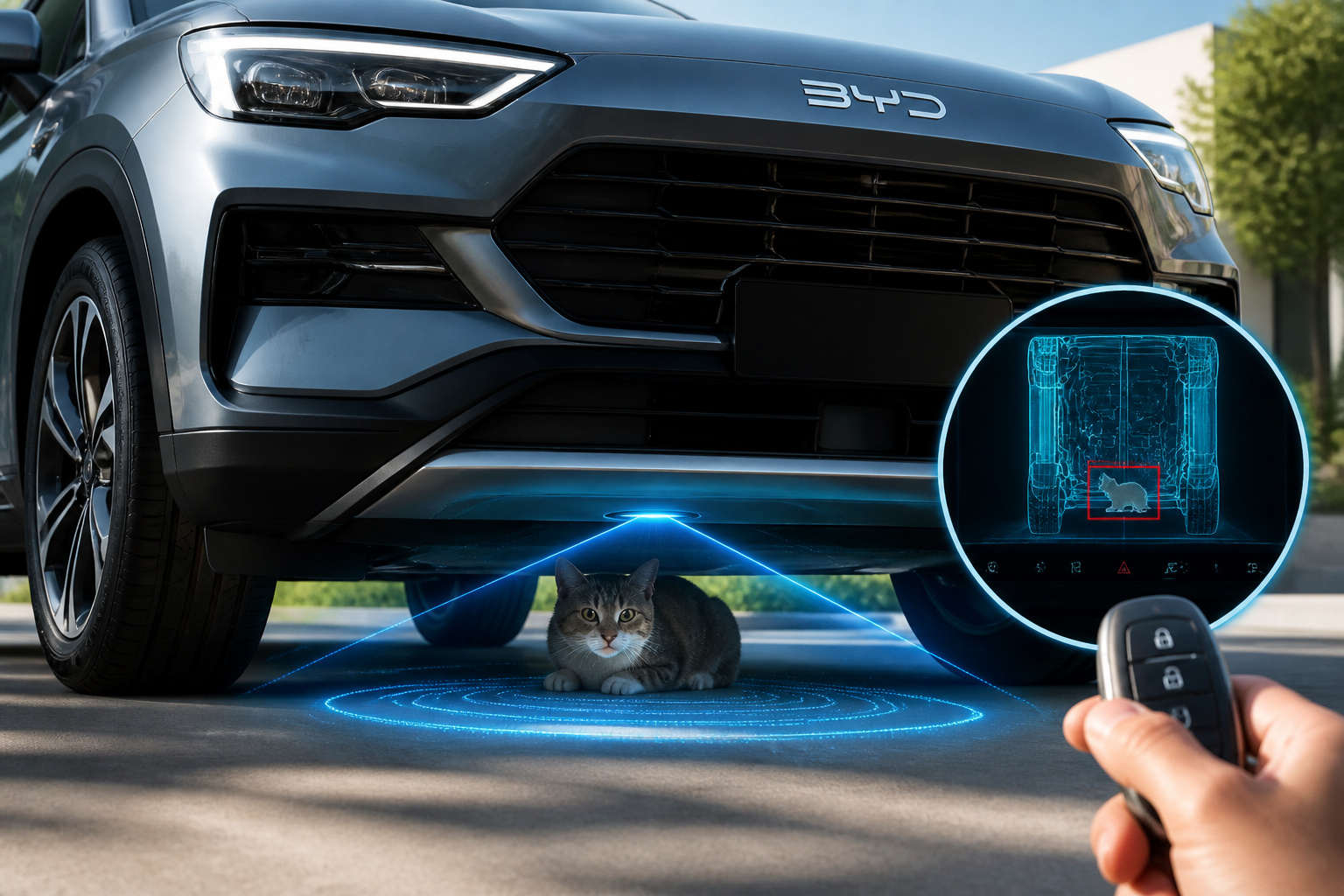
BYD Patents Revolutionary System Using Computer Vision to Detect Animals Under Cars Before Starting, Preventing Tragedies

-
BMW Completes $1.7 Billion Investment in the U.S. for Electric Vehicle Production, Positions South Carolina for New Generation as Rivals Reassess EV Race


Sodium is much more abundant and cheaper than lithium. Sodium-ion batteries are less likely to overheat or catch fire, enhancing safety. The new battery developed by the German team has a high ionic conductivity, meaning that sodium ions move more easily within the battery, allowing for fast charging and discharging.
The innovation lies in the material used in the battery, called NYZ. This material includes sodium, yttrium, and zirconium, allowing sodium ions to flow freely, increasing the efficiency and stability of the battery. According to Dr. Sylvio Indris from the Karlsruhe Institute of Technology, this battery can withstand voltages higher than 10 volts, which is a strong indicator of safety and durability.
Impacts on the Electric Vehicle Industry
The introduction of the sodium-ion battery could reduce dependence on lithium and cobalt, expensive and difficult-to-extract materials. Additionally, with the ability to charge faster and last longer, these batteries can make electric vehicles more accessible and efficient.
In addition to electric vehicles, the new sodium-ion battery can be used for energy storage in homes and businesses, especially those utilizing renewable sources like solar and wind. The ability to store energy efficiently and safely can help stabilize the electrical grid and promote the use of renewable energies.
The new sodium-ion battery from Germany is a significant advancement in energy storage technology. With greater efficiency, safety, and lower cost, this innovation can transform the electric vehicle industry and beyond. The future of batteries looks promising, and Germany is at the forefront of this revolution.








vamos aguardar essa inovação