





 English
  Francês
  Alemão
  Italiano
  Japonês
  Norueguês
  Portuguese
  Spanish
  2 min of reading


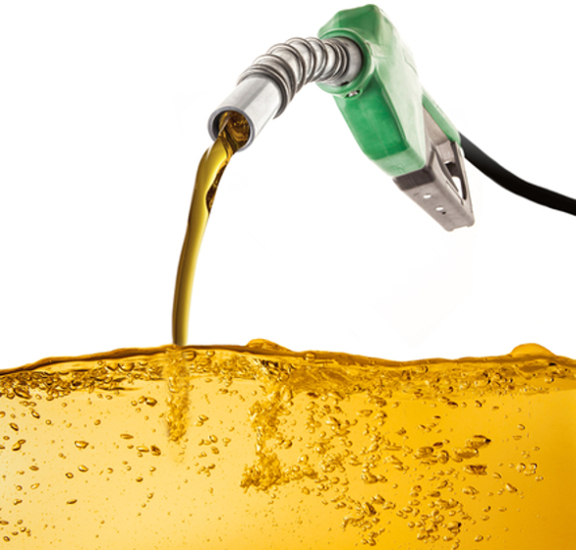
The National Agency of Petroleum, Natural Gas and Biofuels (ANP) Approved Measures Yesterday to Improve the Quality of Gasoline Produced and Sold in Brazil
The board of the National Agency of Petroleum (ANP) approved yesterday, January 16, a resolution aimed at enhancing the quality of Brazilian automotive gasoline, produced and sold, benefiting all those who use this fuel.
- Several Offshore Positions for Crane Operator, Electrician, Welder, and More, Today January 16
- Raízen Aims for Partnership with Multinational GIP for Purchase of Petrobras Refineries
- Eneva Requests Interns, Engineers, and Analysts for Positions in Rio de Janeiro, Ceará, and Roraima
This resolution sets forth specifications and obligations regarding the qualitative aspect of the fuel, to be met by economic agents. The improvement focuses primarily on three points. The first relates to the specific mass values of gasoline, which in practice means more energy and less consumption.
-
Unemployment rises again to 5.8% at the beginning of 2026, raising alarms about the end of temporary positions and its impact on the Brazilian job market.

-
Document organization can cut invisible costs in small businesses, a simple step that prevents waste, rework, and losses in daily operations.

-
Chinese giant worth nearly R$ 4 billion that manufactures cables for electric cars, solar energy, and robotics wants to open a factory in SC.

-
Many employers do not know, but the law guarantees domestic workers a 25% increase in salary during trips, 50% for overtime, 20% for night shifts, and 17 additional benefits that can lead to labor lawsuits if not paid.


The second point addresses distillation parameters, specifically the temperature at 50% evaporated, which is directly related to engine performance, drivability, and heating. The third point, already present in specifications from other countries, is the establishment of limits for octane levels.
Such resolutions require implementation due to the technology of current engines that necessitate gasoline with higher performance to meet vehicle specifications. The ANP has established a transition period, during which the previously set values from the agency’s 2013 resolution remain in effect.
The ANP focuses on studies and conducts research on quality standards, considering international standards and engaging in discussions with various fuel market players. The new resolution also meets the requirements of vehicles and emission levels, which are becoming increasingly stringent.






Seja o primeiro a reagir!