





 Portuguese
  English
  Spanish
  3 min of reading
  0 comments


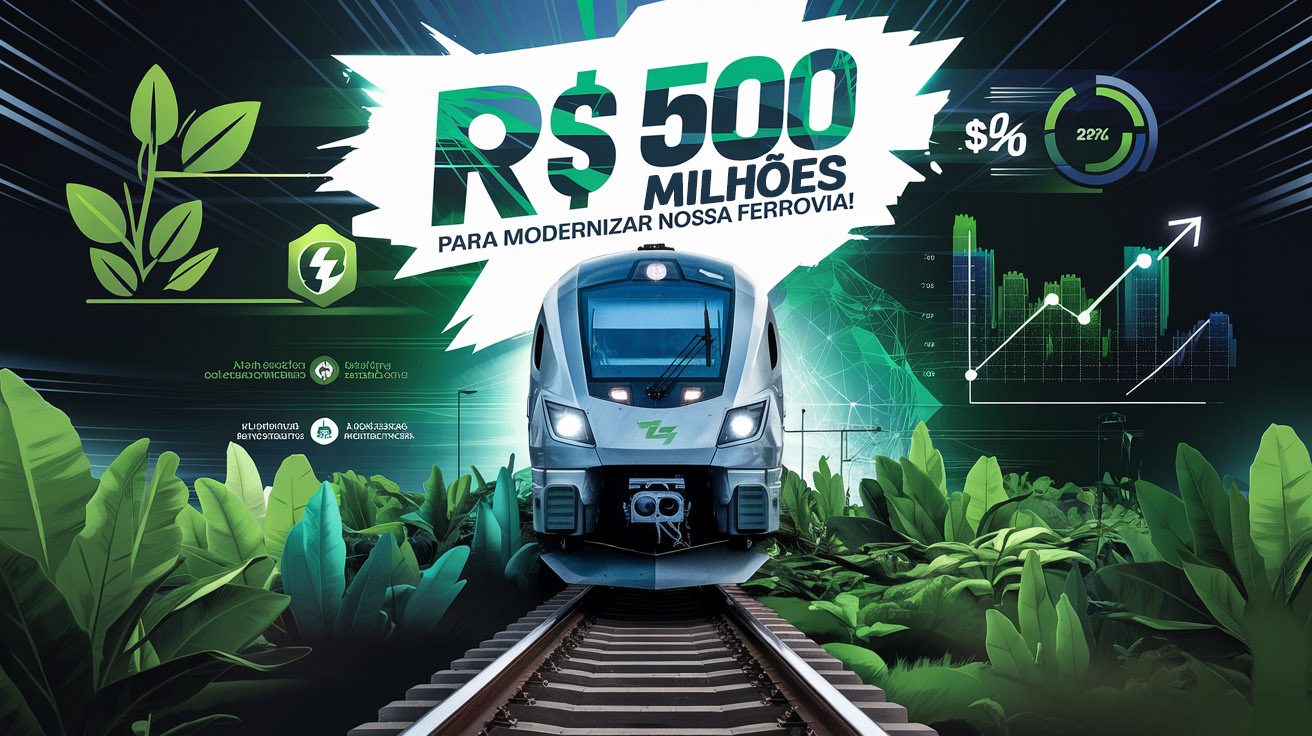
The Railway Will Be Modernized With R$ 500 Million From BNDES. The Project Includes New Structures, Sustainability, and Greater Efficiency. Brazilian Logistics Takes a Giant Step Into the Future, With a Direct Impact on Costs and Competitiveness. This Transformation Could Position Brazil as a Leader in Global Freight Transport.
The Brazilian freight transport sector is about to undergo a revolution, with a historic investment aimed at transforming the Centro-Atlântica Railway (FCA) into one of the country’s main logistical axes.
But what is the real impact of this change? Behind a multi-billion dollar investment, there are promises of modernization, sustainability, and competitiveness in the sector.
Recently, the National Bank for Economic and Social Development (BNDES) confirmed an investment of R$ 500 million in the FCA, managed by VLI Multimodal S.A.
-
A new Brazilian shopping center worth R$ 400 million will be built in an area equivalent to more than 4 football fields, featuring 90 stores, 5 cinemas, a supermarket, a college, and parking for 1,700 cars, potentially generating 3,000 jobs.

-
Larger than entire cities in Brazil: BYD is building a 4.6 km² complex in Bahia with a capacity for 600,000 vehicles per year, but the discovery of 163 workers in conditions analogous to slavery has shaken the entire project.

-
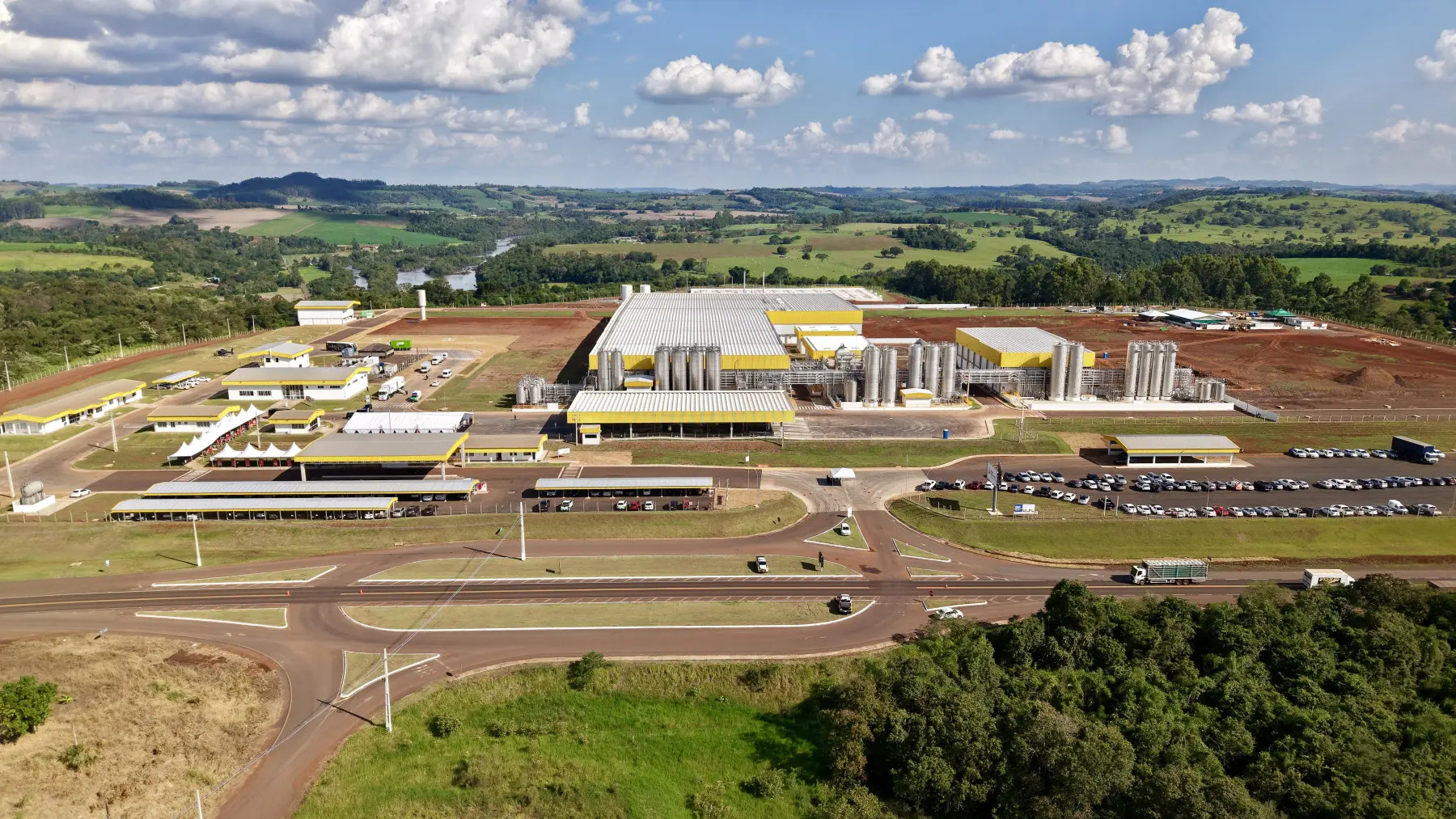
With an investment of R$ 612 million, a capacity to process 1.2 million liters of milk per day, Piracanjuba inaugurates a mega cheese factory that increases national production, reduces dependence on imports, and repositions Brazil on the global dairy map.
-
Brazilian city gains industrial hub for 85 companies that is equivalent to 55 football fields.

The amount is part of a R$ 1 billion issuance in debentures, coordinated by three large financial institutions: BNDES itself, BTG Pactual, and ABC Brasil.
According to the announcement, BNDES took responsibility for half of the total issued value, reinforcing its commitment to transforming the national transport matrix.
Modernization and Strategic Expansion
With a total of 7,840 km of railway connecting seven states and the Federal District, the FCA already plays a vital role in the Brazilian economy.
Now, the resources will be directed towards the expansion and modernization of seven railway yards, as well as comprehensive structural improvements.
Among the planned works, the following stand out:
- Replacement of Rails and Sleepers, essential for increasing safety and efficiency;
- Recovery of Bridges and Pedestrian Crossings, with the installation of more modern guardrails;
- Renewal of Rolling Stock, crucial for expediting freight flow;
- Construction of an Industrial Effluent Treatment Station at the Guará Integrated Terminal, a measure aligned with sustainability goals.
Impact on the Brazilian Logistics Sector
This investment is part of an even larger project, which could reach R$ 3.9 billion. According to Aloizio Mercadante, president of BNDES, the logistics cost in Brazil amounts to around 11% of GDP.
He emphasized that optimizing this structure is essential to increase the competitiveness of national companies.
“With BNDES’s support, we will follow the government’s guidelines to develop integrated and multimodal logistics, which plays a strategic role in the supply chain by combining different modes of transport,” declared Mercadante.
The operation of VLI Multimodal already demonstrates the impact of logistics integration: only in 2023, the company moved more than 43 million useful tons (TU) through Brazilian ports.
These numbers reinforce the importance of a modern railway infrastructure to maintain an efficient flow of goods, especially for strategic sectors such as agribusiness, steel, and industry.
Sustainability as a Priority
In addition to efficiency, the project seeks to align the Brazilian logistical matrix with global market demands.
According to Luciana Costa, director of Infrastructure and Climate Change at the BNDES, the modernization of the FCA is a crucial step to reduce logistical costs and promote a more sustainable and secure model.
“The approved financing reflects our commitment to projects that promote sustainability and competitiveness, prioritizing modern and integrated logistics,” explained Costa.
In fact, adopting sustainable practices in freight transport directly contributes to reducing carbon emissions, strengthening Brazil’s image as a country committed to global environmental goals.
A Promising Future for the Brazilian Railway
The modernization of the Centro-Atlântica Railway signals a new era for freight transport in Brazil.
By combining robust investments with strategies for sustainability and efficiency, the project promises to transform the FCA into one of the pillars of national economic development.
With initiatives like this, Brazil can overcome historical challenges in the logistics sector and consolidate its position as an important player in international trade.
Will this transformation finally position Brazilian freight transport at the center of the global economy? Share your opinion in the comments!






-

-

-

-

7 pessoas reagiram a isso.