





 Portuguese
  English
  Spanish
  4 min of reading
  20 comments





State Approves 5.25% Increase in Regional Minimum Wage. The Measure Will Benefit 1.2 Million Workers in Different Sectors, Divided into Five Wage Bands. Despite Generating Discussions Between Unions and Government, the Proposal Aims to Balance Workers’ Needs with Companies’ Financial Capacity.
If you live in Rio Grande do Sul, an important news may soon transform the financial landscape for many families.
An adjustment to the regional minimum wage promises to bring significant changes but is also generating discussions among different sectors of society.
With values adjusted to reflect local economic conditions, the measure represents an attempt to balance the purchasing power of workers and the constantly increasing cost of living.
-
Chocolate prices soar nearly 15% and become a luxury item for Easter 2026, with increases surpassing inflation and changes in Brazilian consumption habits.

-
The Federal Revenue issues a good alert for Brazilian taxpayers: 60.9% are already using the pre-filled tax return, automatic refunds via Pix reach millions, and the government plans for a fully automated income tax in the coming years.

-
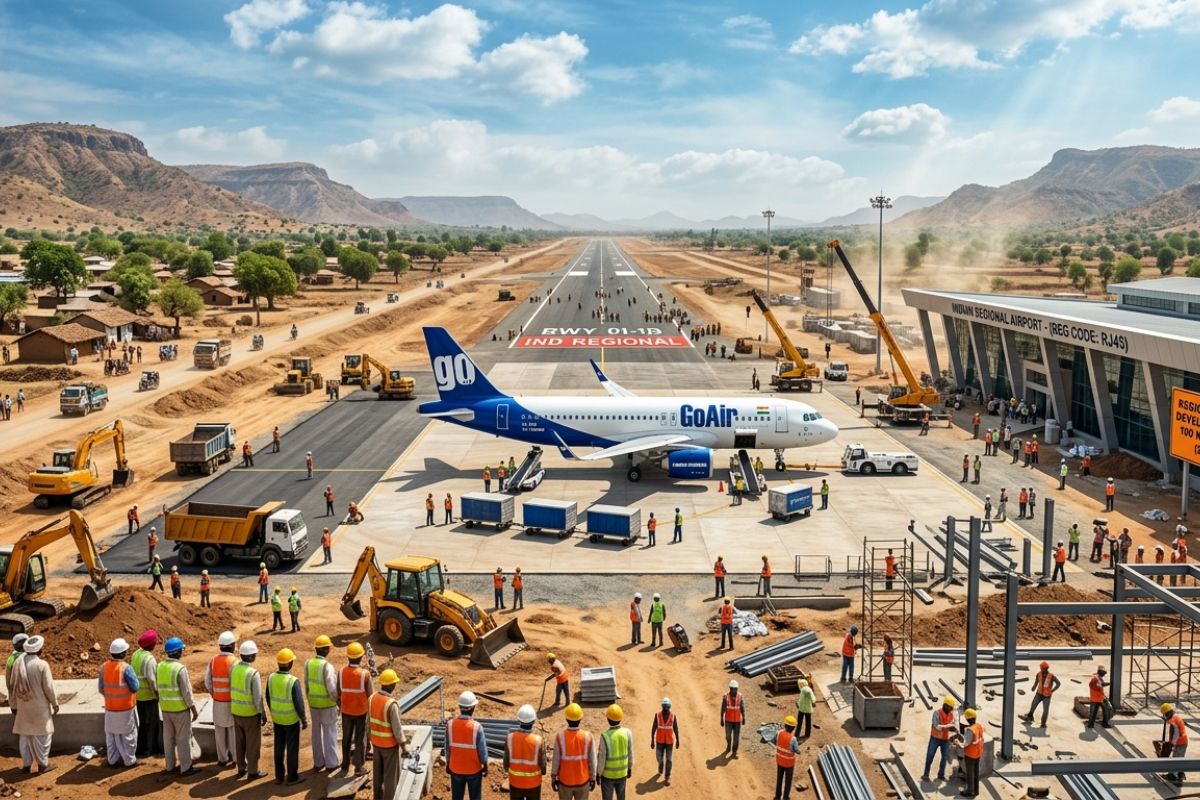
India announces a plan of $3.06 billion to bring aviation to forgotten regions: 100 new airports, $1.07 billion in subsidies, and regional routes guaranteed for 10 years, from 2026 to 2036, away from the centers.
-
Brazil blocked a proposal from the United States at the WTO that would make the exemption from tariffs on digital products like streaming and ebooks permanent, favoring American tech giants at the expense of developing countries.
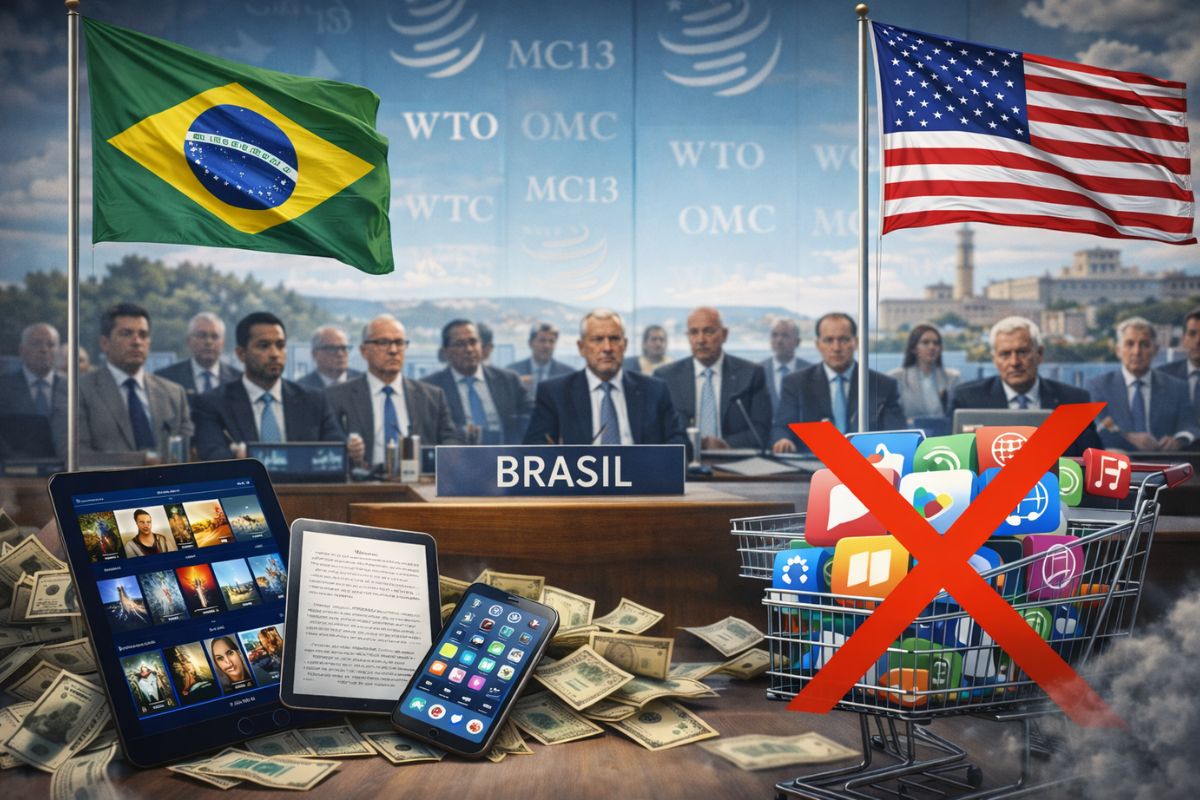


However, the proposal still depends on a crucial step to become reality.
What Changes with the Increase
The Legislative Assembly of Rio Grande do Sul recently approved a 5.25% increase in the regional minimum wage.
The text, which has already been debated and voted on by lawmakers, now awaits the sanction of Governor Eduardo Leite to come into effect, which is expected to occur in December 2024.
This increase directly benefits about 1.2 million workers across the state, especially those working in sectors without collective labor agreements.
Among the affected categories are professionals in agriculture, construction, domestic services, and technicians with intermediate-level qualifications.
The proposal aims to adjust the wages of these classes to current economic realities, ensuring that workers have the minimum conditions to meet their basic needs.
Structure of the New Wage Bands
The new minimum wage in the state will be divided into five wage bands, each intended for specific groups of workers.
This structure aims to reflect the economic diversity and differences in demands among sectors. Check out the new values:
First Band: R$ 1,656.52 – intended for workers in agriculture, construction, and domestic services.
Second Band: R$ 1,694.66 – applied to the clothing, footwear, health, and telemarketing industries.
Third Band: R$ 1,733.10 – aimed at commerce and the food industry.
Fourth Band: R$ 1,801.55 – covering metallurgical, graphic, and private security industries.
Fifth Band: R$ 2,099.27 – exclusive for technicians with intermediate-level qualifications, being the highest wage band.
These values were defined to meet the specific needs of each sector, promoting fairer compensation that aligns with the cost of living.
Impacts for Workers
The main objective of the increase is to ensure that workers are not penalized by the continuous rise in the cost of living.
With inflation directly affecting purchasing power, the wage increase aims to preserve the economic dignity of families in Rio Grande do Sul.
Workers in sectors such as agriculture, construction, and domestic services, who traditionally face greater vulnerability, will be directly benefited.
Moreover, the adjustment in the highest band, aimed at technicians with intermediate-level qualifications, is also seen as an attempt to value more qualified professionals who play important roles in the state’s economic development.
Debate on the Increase
Despite being a victory for many workers, the proposal has generated heated discussions.
Unions argue that the 5.25% increase is still insufficient to cover the losses caused by inflation over the past years.
Some leaders advocate that a more robust adjustment would be necessary to ensure a minimum of wage justice.
On the other hand, the state government defended the approved proposal as a middle ground.
According to the government, the increase reflects a balance between the demands of workers and the financial capacity of employers.
This approach aims to preserve jobs and prevent a higher increase from causing economic difficulties for companies, especially in sectors already facing financial challenges.
Another point of debate relates to the competitiveness of companies in the state.
Some business sectors fear that the increase in labor costs could negatively impact production, making competition with markets from other states and even international ones difficult.
Still, many experts believe that the increase could strengthen the local economy by encouraging internal consumption.
Economic Context of the Minimum Wage Increase
The wage adjustment in Rio Grande do Sul occurs in a scenario of economic challenges across the country.
High inflation has eroded the purchasing power of Brazilians, and measures such as the increase in the minimum wage are essential to mitigate the effects of this phenomenon.
Furthermore, the increase can serve as a reference for wage negotiations in other regions of Brazil, showing how regional initiatives can positively impact the population’s quality of life.
However, for this to happen, it is essential that the measure is implemented responsibly and follows policies to encourage job creation.
Next Steps in Rio Grande do Sul
The sanction of Governor Eduardo Leite is the final step necessary for the increase to take effect.
If approved, the measure should bring a significant impact on the budget of thousands of families in Rio Grande do Sul, strengthening consumption and contributing to the state’s economic development.
Now, we must await the final decision and monitor the developments of this important measure.
The new minimum wage will be a conquest for many but also a responsibility for the state, which will need to ensure that the benefits are sustainable in the long term.
And you, do you think that the 5.25% increase in the minimum wage is sufficient to offset the rising cost of living in Rio Grande do Sul? Share your opinion in the comments!






Ótimo para os trabalhadores, mas os empresários suportarão essa nova despesa?
Acho que o governo estadual deveria também incentivar as empresas com diminuição de impostos.
Assim todos ganham e o estado não ficará mais pobre por isso, pois terá riquezas circulando…
Pra quem está empregado!
77% desempregados no Brasil
Vai ganhar
Porque as empresas está fechando as portas pagando muitos impostos
Não conseguir manter o funcionário
É repugnante essa história da ESMOLA Mínima que é dada pro povo que é a locomotiva deste ETERNAMENTE SAQUEADO País. Só se ouve falar em BILHÕES prá cá, BILHÕES prá lá, e povo que constrói este país vive **** e morre na esperança de dias melhores, enquanto esses ****, de madrugada dobram de um dia pra o outro seus salários altíssimos sem dificuldade nenhuma. Mas, Deus tá vendo, a nossa recompensa vem quando um FP desses vai pro CAIXÃO sem levar NADA.