





 Portuguese
  English
  Spanish
  5 min of reading
  7 comments





Technology That Already Dominates the International Market Begins to Gain Space in Brazil by Offering Significant Energy Savings, Ease of Installation, and Potential for Transformation in Residential Hot Water Consumption.
The arrival of heat pump water heaters in the Brazilian market marks a significant change in the landscape of residential energy consumption.
The technology, which already holds a prominent position in countries like the United States, is starting to gain space in Brazilian residences, presenting an alternative to the traditional electric shower.
Using the principle of heat transfer from the ambient air to a water reservoir, the equipment promises savings of up to 70% on electric bills compared to conventional resistance heating systems.
-
Dozens of Chinese research ships are discreetly mapping the ocean floor in three oceans – and naval analysts see a military pattern.

-
The winter of 2026 in Brazil will not be what you expect: meteorologists warn that the season will be warm and rainy at the same time due to the advance of El Niño, which is already warming the Pacific and changing the climate of the entire country.

-
For the first time, humanoid robots will compete in a full half-marathon without any human assistance in Beijing, with over 100 teams from China registering machines that need to complete the course with autonomous navigation on two legs.

-
Submarine cables installed to transmit the internet now also help scientists detect earthquakes.


How the Heat Pump Works for Water Heating
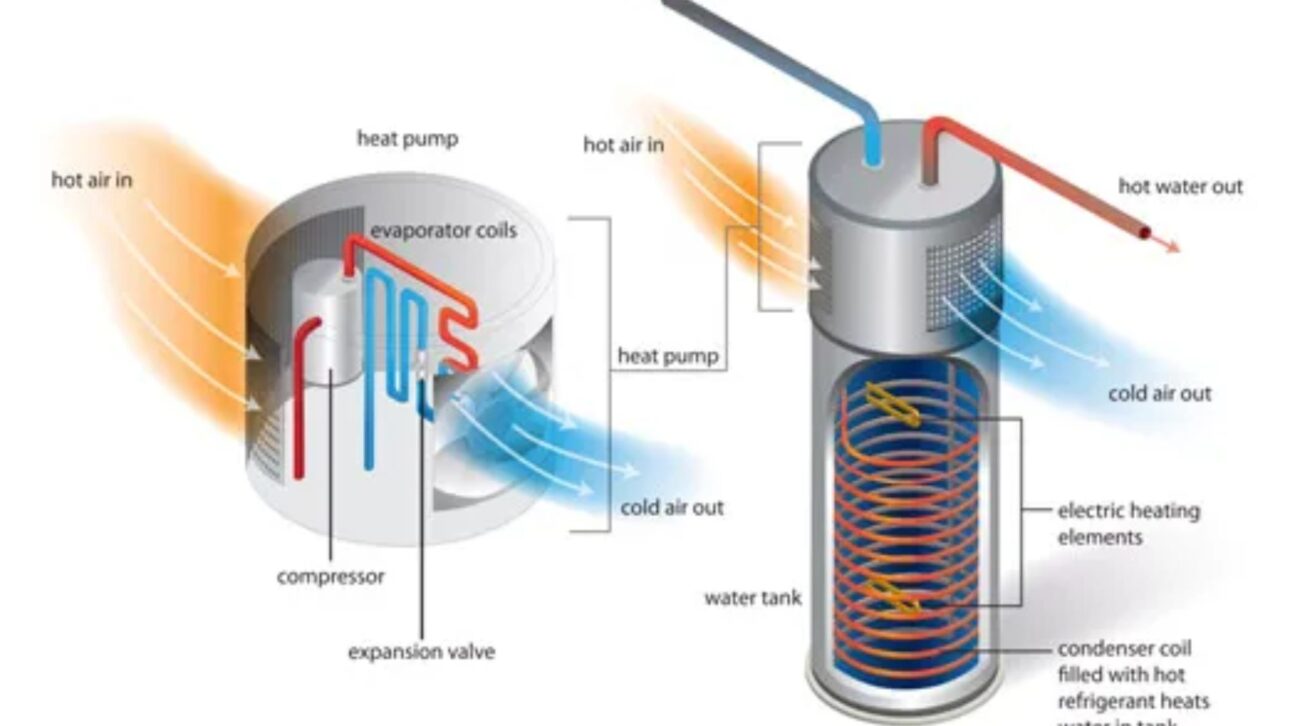
The concept, internationally known as Heat Pump Water Heater (HPWH), operates similarly to an inverted refrigerator.
Instead of consuming energy to generate heat directly, the heat pump uses a compressor to extract heat from the air and transfer it to the stored water.
According to recent data from the American ENERGY STAR program, the efficiency of this system is measured by the Coefficient of Performance (COP), which in the most efficient models exceeds 3.5.
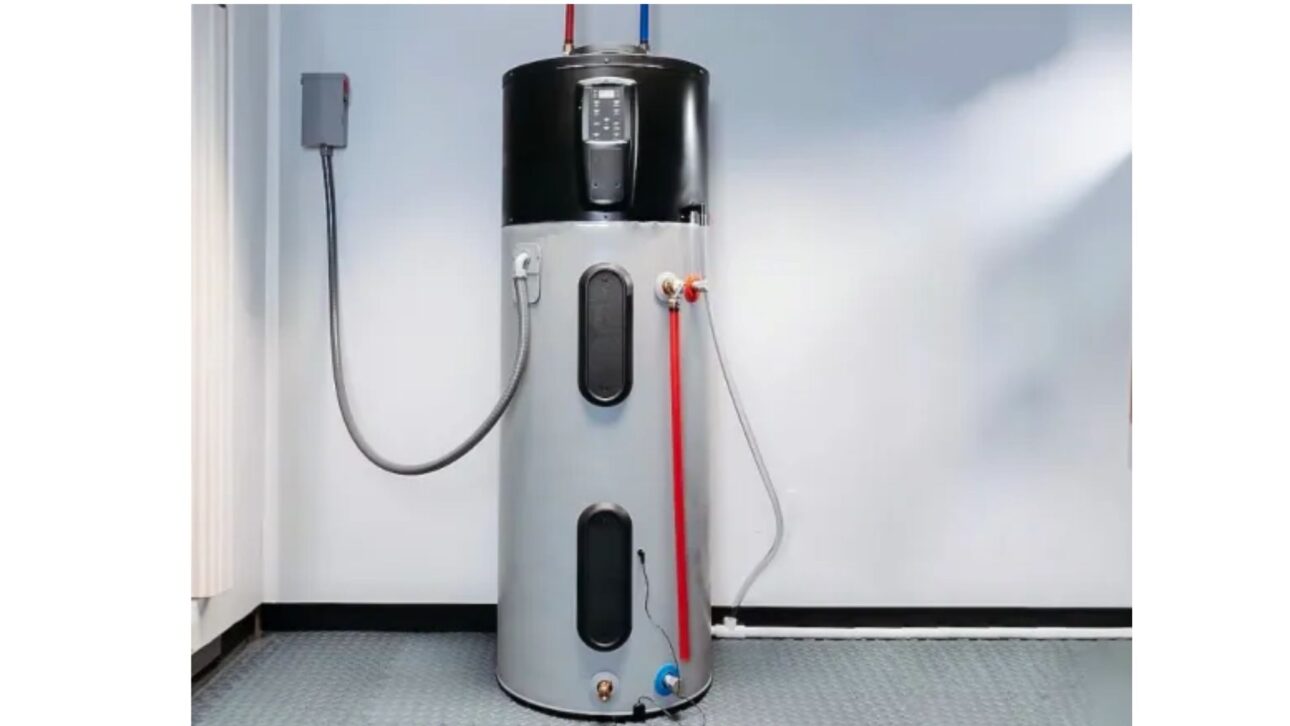
This means that for every unit of electrical energy consumed, more than three units of heat are delivered to the water, enhancing the efficiency of the equipment.
Energy Savings and Return on Investment
In the United States, the Department of Energy (DOE) reports that starting in 2029, new electric boilers must meet minimum efficiency requirements equivalent to those of heat pumps.
This technological advancement can also be observed in data released by ENERGY STAR: a 190-liter HPWH can generate annual savings of up to 550 dollars for a family of four, with a return on the initial investment in about three years.
An analysis published in April 2025, resulting from a partnership between the Washington Post and Harvard University, simulated the replacement of a gas system with an HPWH in the state of Maryland and pointed to savings of approximately 240 dollars per year, recovering the invested amount in up to four years — the best performance among eleven energy retrofit options evaluated in the study.
Offer in Brazil: Models, Prices, and Savings
In Brazil, most heat pump water heaters available are still imported models, operating at 220 V single-phase, compatible with the residential electric grid.
Brands like Midea offer equipment ranging from 200 to 300 liters, with a COP above 3.5.
Domestic manufacturers, such as Nautilus, have lines aimed at larger enterprises, such as guesthouses and condominiums, but are already developing compact versions for home use.
The prices of these heaters range from 8,000 to 12,000 reais, excluding installation, while similar capacity electric boilers cost between 2,000 and 3,000 reais.
Despite the high initial price, the difference tends to be offset by the lower monthly expenditure, especially in cities with energy tariffs above 1 real per kilowatt-hour — a common reality during red flag periods.
The savings provided by the system become evident when analyzing typical consumption profiles.
For a household with daily use of about 280 liters of hot water, the HPWH consumes, on average, 1,000 kWh per year, compared to more than 3,300 kWh of a resistance heater, according to ENERGY STAR documents.
Installation and Operation in Residential Environments
Installation requires attention to three main factors:
- Location with a minimum volume of 10 m³.
- Sufficient ventilation for thermal exchange.
- And a drain for condensate.
DOE engineers warn that the air expelled by the equipment is 5 °C to 7 °C cooler than the indoor temperature, which can help cool areas like laundry rooms.
In very closed locations, however, the system’s performance may be reduced, compromising savings.
The tanks of heat pump water heaters typically feature anti-corrosive coating — vitrified glass or stainless steel — and a magnesium anode, a part that needs to be inspected every three years to ensure the equipment’s durability.
In the most modern models, the refrigerant gas used is R-290 (propane), a low environmental impact alternative in response to global standards that limit the use of hydrofluorocarbons (HFCs), compounds with high global warming potential.
Incentives, Regulation, and Environmental Impact
In the United States, public policies encourage the adoption of technology: consumers can access federal tax credits of up to 2,000 dollars and state bonuses of up to 1,200 dollars.
In Brazil, there is currently no federal subsidy for heat pump water heaters, but energy distributors and research groups are already evaluating the inclusion of the system in energy efficiency programs from the National Electric Energy Agency (Aneel).
Tests conducted in 2025 by teams from Neoenergia in Recife residences and by technicians from Copel in Paraná are analyzing performance in different regions and consumption profiles.
The environmental impact of replacing resistance heaters with heat pumps is significant.
The DOE estimates that the total replacement of these devices in the United States could reduce annual carbon emissions equivalent to those of 10 million vehicles.
In the Brazilian context, lower energy demand during peak hours can reduce the activation of oil and coal-fired thermoelectric plants, sources that have the highest marginal costs in the National Interconnected System.
Advantages in Retrofit and Old Buildings
In old buildings, especially those without piped gas, the HPWH presents a relevant advantage: it eliminates the need for plumbing work, using only the existing electrical and hydraulic infrastructures.
According to the Brazilian Association of Real Estate Developers (Abrainc), the cost to bring gas to an apartment can exceed 4,000 reais, in addition to monthly supply fees.
This factor increases the attractiveness of the heat pump water heater in retrofit and building modernization projects.
National Regulation and Growing Demand
To adapt efficiency certification to Brazil’s tropical climate, the National Institute of Metrology, Quality and Technology (Inmetro) is developing a specific methodology to measure the COP at average temperatures of 25 °C and 60% relative humidity, different from conditions in the United States.
The new energy efficiency label is expected to be open for public consultation by the end of 2025.
The increase in searches for “heat pump for shower” reported by major retailers starting in March 2025, a period marked by heatwaves and higher energy bills, signals the growing interest of Brazilian consumers.
In light of this scenario, the question remains: Is the Brazilian consumer ready to retire the electric shower and adopt a heat pump water heater capable of reducing energy consumption by up to 70% in any season of the year?







Lógico que o Brasil não está preparado , casas com tubulação pra água quente só de médio e alto padrão . A maioria das casas não tem estrutura pra receber este equipamento.
Daqui a pouco o nosso QUERIDO PRESIDENTE, libera a verba para o credenciamento de baixa renda instalar essactecnologia, e nós estaremos mais uma vez pagando a conta
Bom é pagar pra milionário que compra carro elétrico e faz o carregamento a custo zero em qualquer lugar, não é a toa ver carros elétricos fazendo o carregamento em pontos gratuitos e com o ar condicionado do carro ligado, só imb3cil mesmo pra comentar idiotices. Nem que o governo liberasse verba o pobre iria instalar pois o pobre mal tem pra comer como que teria pra instalar isso em casa. Tira o chapéu de aluminio da cabeça e acorda pro mundo real.
Pelo valor ,vale mais apena colocar placa solar , off grid!!!