





 Português
  Inglês
  Espanhol
  4 min de leitura
  0 comentários


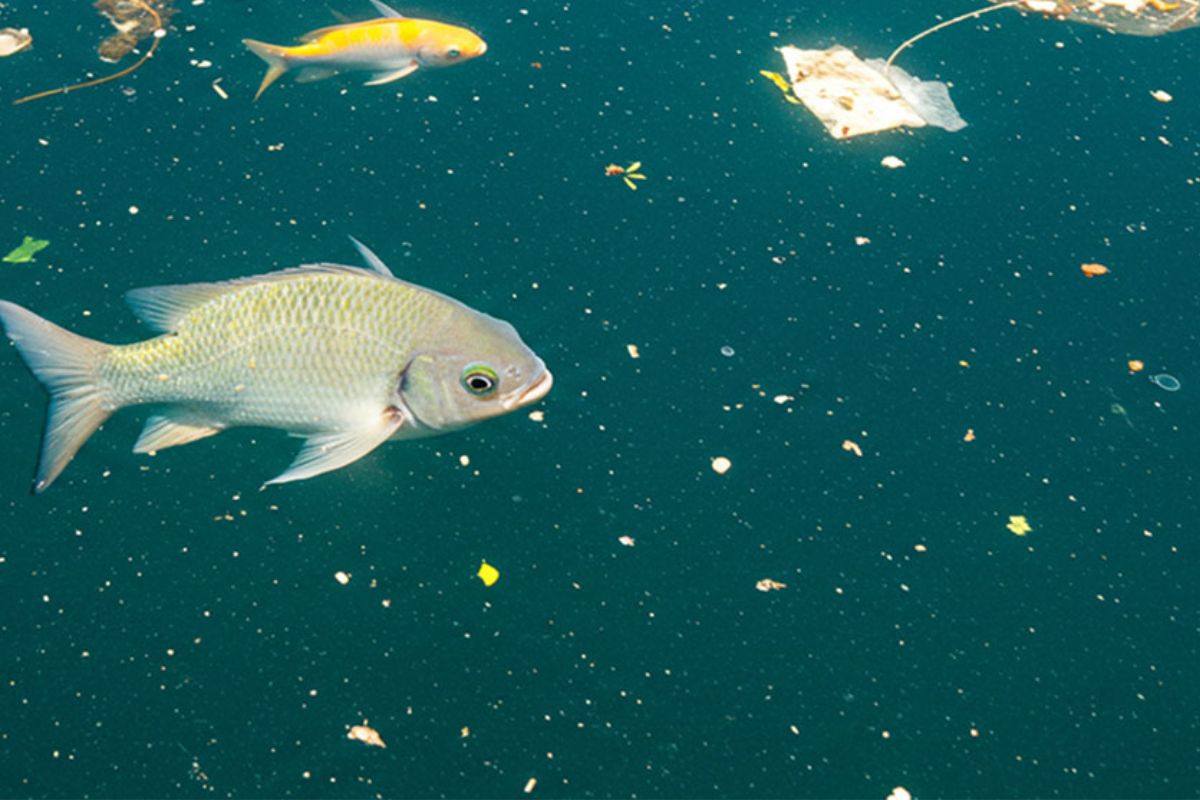
Researches By Embrapa Show That Global Warming And Marine Life Are Interconnected In A Toxic Cycle, Where Heat And Pollutants Intensify Damage To Fish And The Food Chain
The relationship between global warming and marine life has become an increasing alert for scientists and fish producers, according to a news article published.
Recent studies conducted by Embrapa and the National Laboratory of Nanotechnology (LNNano/CNPEM), with support from Fapesp, reveal that the increase in water temperatures can intensify the toxicity of microplastics in the oceans, especially when combined with heavy metals such as copper.
These substances, widely present in industrial and agricultural waste, generate free radicals and promote oxidative stress in aquatic organisms.
-
With earth, bamboo, straw, and lime mortar, a specialist builds a house for just over $460 and draws attention for its cost being much lower than traditional construction.

-
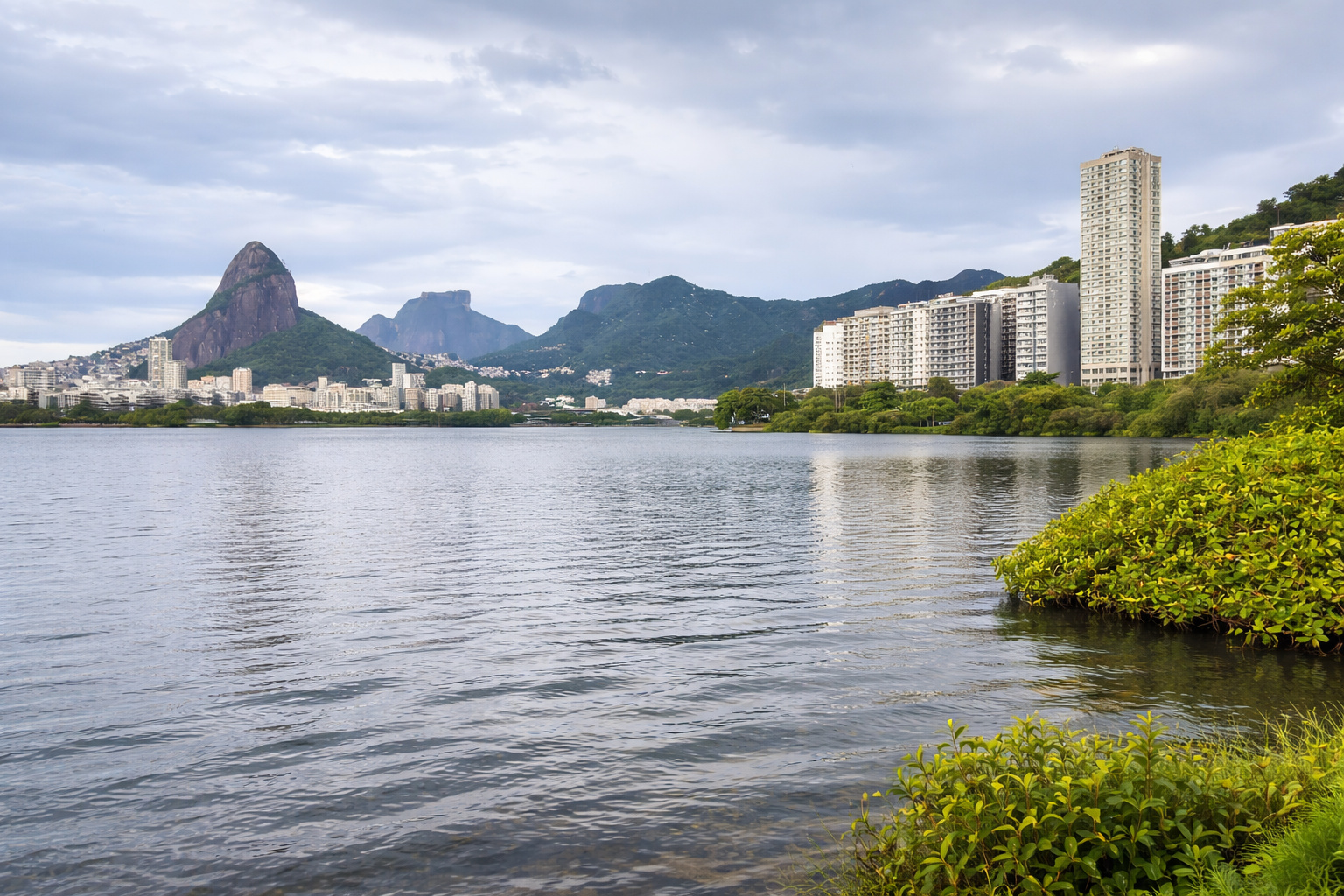
Rodrigo de Freitas Lagoon advances in environmental recovery with sanitation, elimination of irregular sewage, and the resumption of water sports in Rio de Janeiro.
-
Sustainable housing gains strength with a nationally awarded project in Campo Grande, highlighting innovative solutions that combine sustainability, urban integration, and efficiency in the use of natural resources.

-
City Where Residents Live Underground to Escape 52°C May Be a Picture of the Future on an Increasingly Hot Planet


The research shows that, at temperatures up to three degrees above average, plastic particles become more reactive, affecting the metabolism and survival of species such as tilapia and zebrafish.
This phenomenon worries experts, as it directly threatens food security and the ecosystems that sustain fishing and aquaculture.
Increase In Temperature Intensifies The Toxicity Of Microplastics In The Oceans
Microplastics, originating from the degradation of discarded plastics in rivers and seas, can absorb and transport toxic chemicals.
In the context of global warming and marine life, these particles do not act alone: they interact with metals and undergo changes induced by solar radiation and thermal increases.
Research from Embrapa Meio Ambiente shows that by raising the water temperature by just three degrees, there is a significant increase in the ability of these waste materials to adhere to metals such as copper.
In experiments conducted with fish of the species Danio rerio (zebrafish), scientists observed changes in antioxidant enzymes, early indicators of cellular stress.
In tilapia (Oreochromis niloticus), valued for their economic worth, hematological variations indicating metabolic imbalance were detected.
These results indicate that toxicity is not limited to chemical contamination but also includes the biological response of fish, directly impacting their growth and reproductive capacity.
Interaction Between Pollutants And Heat Aggravates The Effects Of Heavy Metals On Fish
According to researcher Claudio Jonsson from Embrapa Meio Ambiente, thermal elevation alters the bioavailability of pollutants, facilitating their absorption by aquatic organisms.
Copper, present in agricultural and industrial waste, is one of the main metals evaluated.
When associated with microplastics aged by ultraviolet light, the element intensifies oxidative stress, generating free radicals that damage cells, proteins, and even DNA.
These effects are evident in biochemical analyses performed in the laboratory. Enzymes such as superoxide dismutase and catalase, responsible for antioxidant defense, showed expressive changes after 48 hours of exposure.
Global warming and marine life thus becomes a feedback loop: the warmer the water, the greater the toxicity, and the more vulnerable marine organisms become.
This relationship explains the growing concern about the impacts on the food chain, as affected species serve as food for others, accumulating toxic substances over time.
Challenges And Advances Of Embrapa Research On Aquatic Pollution
Conducting controlled tests in the laboratory requires extreme precision.
In the case of zebrafish, experiments are conducted in microplates with individual wells, each containing small larvae. In tilapia, juvenile fish are used, allowing for the collection of blood samples to measure biomarkers.
The challenge lies in maintaining constant environmental conditions, especially the concentration of copper, which must be recalculated with each water change.
Alfredo Luiz, also a researcher at Embrapa Meio Ambiente, explains that the team conducts periodic collections to ensure stability and reliability of results.
The study highlights that evaluating the presence of microplastics in isolation is insufficient. It is necessary to consider the combined effects of temperature, metals, and solar radiation.
This systemic approach provides fundamental data for public policies and sustainable practices in aquaculture, contributing to mitigate the impacts of global warming in aquaculture and protect biodiversity.
According to scientists, understanding how global warming and marine life mutually influence each other is essential to define safe limits for pollutants, reduce risks to aquatic fauna, and preserve the quality of waters used in food production.
Cellular Reaction And Consequences Of Climate Change And Marine Contamination
Fish exposed to heat and pollution undergo a series of physiological responses. The accumulation of free radicals generates oxidative stress, reducing cellular efficiency.
Antioxidant enzymes act as biological sensors, signaling changes even before visible symptoms.
This understanding is vital for anticipating impacts and developing prevention strategies in natural and productive environments.
Globally, the scenario reinforces the urgency to reduce plastic waste and the indiscriminate use of metals.
Brazilian research, internationally recognized, shows that small environmental changes can multiply toxic effects, threatening not only fish but the entire food web that depends on them.
Thus, investing in science and innovation is the key to protecting the integrity of ecosystems and ensuring that global warming and marine life do not become synonymous with environmental and economic collapse.








Seja o primeiro a reagir!