Portuguese
  Spanish


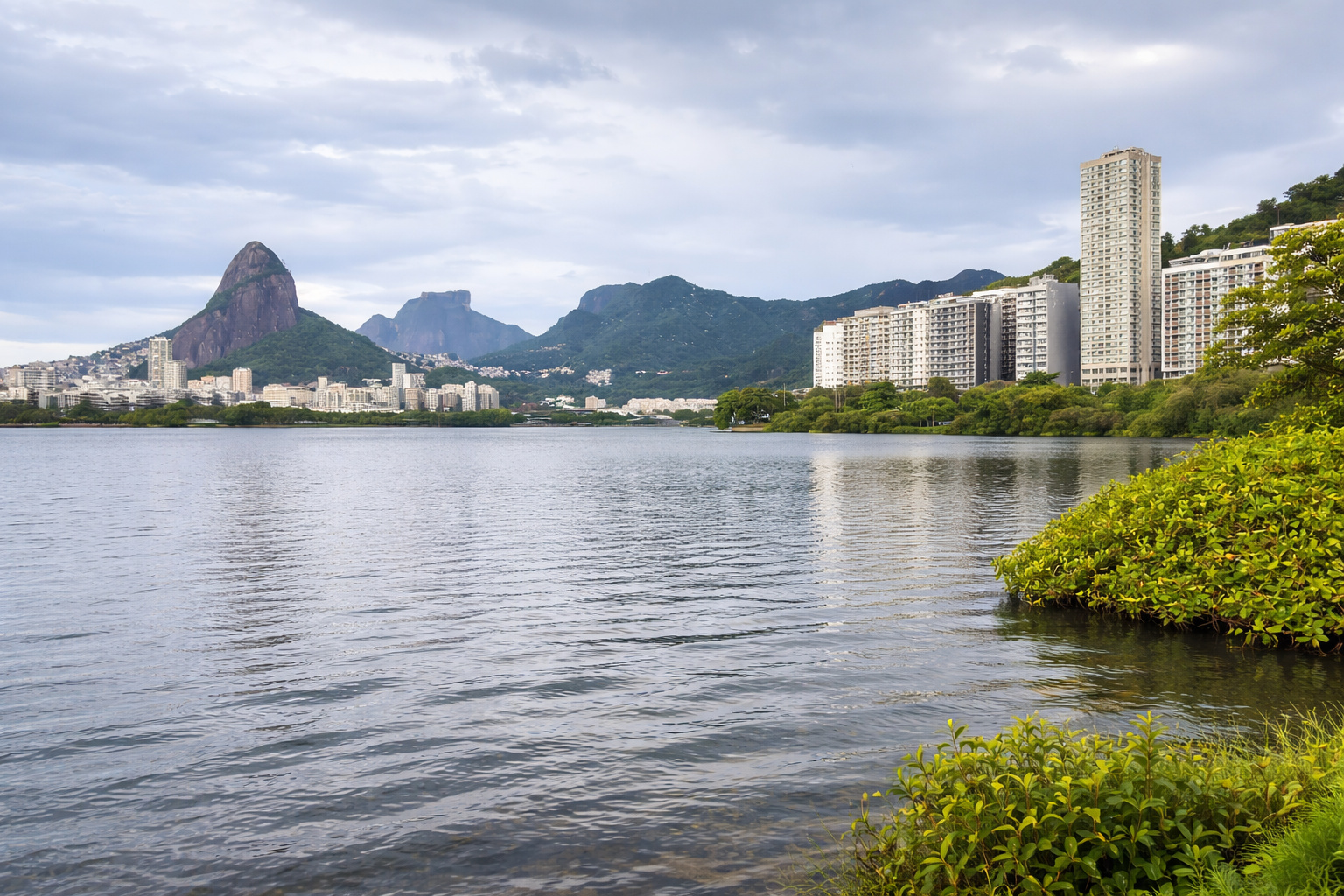

Improvement of water quality and return of sports activities mark a new phase of the lagoon in the south zone of Rio
A significant environmental change is already being perceived in Rio de Janeiro, especially in Lagoa Rodrigo de Freitas, which is undergoing a significant recovery phase.
Currently, the advancement of sanitation and the end of irregular sewage disposal directly modify water quality and reorganize urban space usage.
As reported, the lagoon shows visible signs of improvement.
This process alters the population’s perception and reinforces the environmental importance of the location.
Environmental recovery transforms the history of the lagoon
For years, Lagoa Rodrigo de Freitas was associated with problems such as bad odors, dark water, and fish die-offs.
However, now, with actions aimed at sanitation, this scenario is gradually being reversed.
The end of irregular sewage disposal acts as a central factor in this process.
As a consequence, negative impacts are being reduced, albeit progressively.
Thus, the lagoon enters a new cycle of environmental recovery.
Visual changes reinforce perception of improvement
Right in the early hours of the day, those passing along the banks can already see clear differences in the landscape.
The water had characteristics that compromised the experience of visitors.
Now, on the other hand, the water surface appears cleaner, which significantly alters the visual perception of the space.
This change helps reinforce the value of the lagoon as a postcard of the South Zone.
In this way, the environment conveys a greater sense of environmental quality.
-
Green Roofs on Homes Gain Popularity for Reducing Heat, Noise, and Rain Impact in Brazil

-
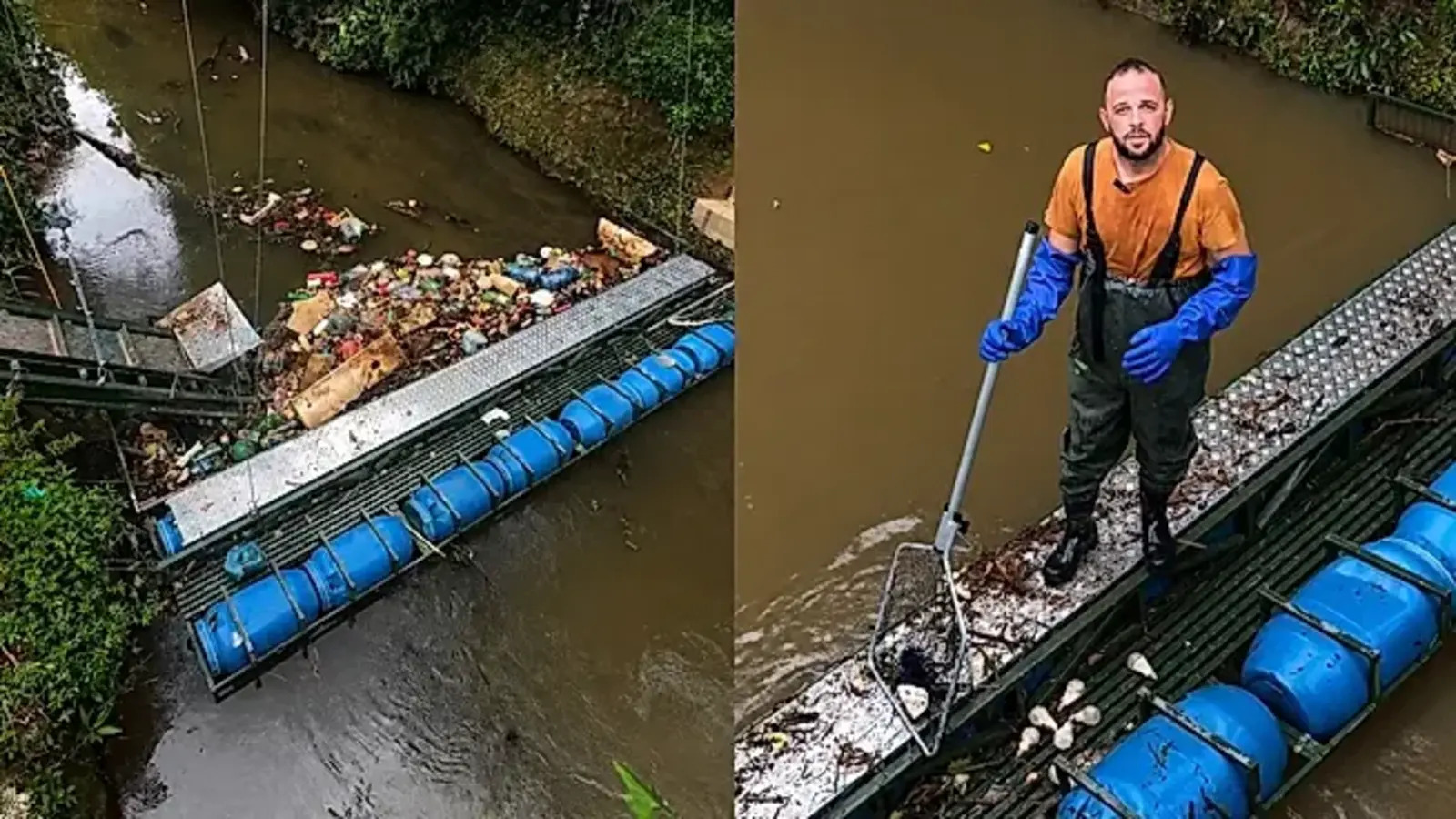
Brazilian promises his children to save a river, creates an eco-barrier in his backyard, has already removed more than 40 tons of trash from the water, and even inspires the idea in other states of the country.

-
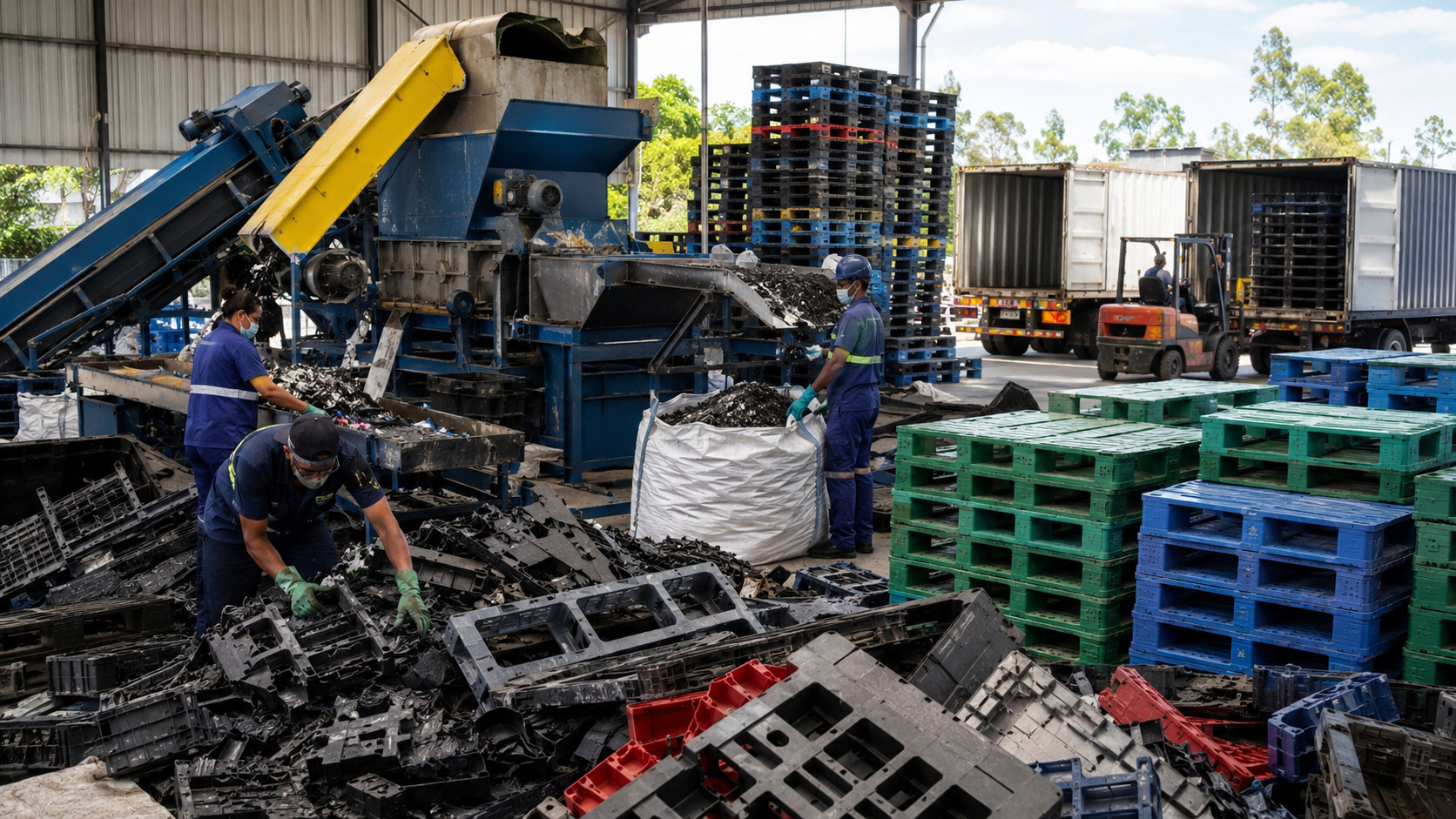
How a Brazilian company created a system that transforms broken pallets of any brand into new assets, recycles 80 tons of plastic per month, and found a profitable solution to a problem that challenges industries across the country.
-
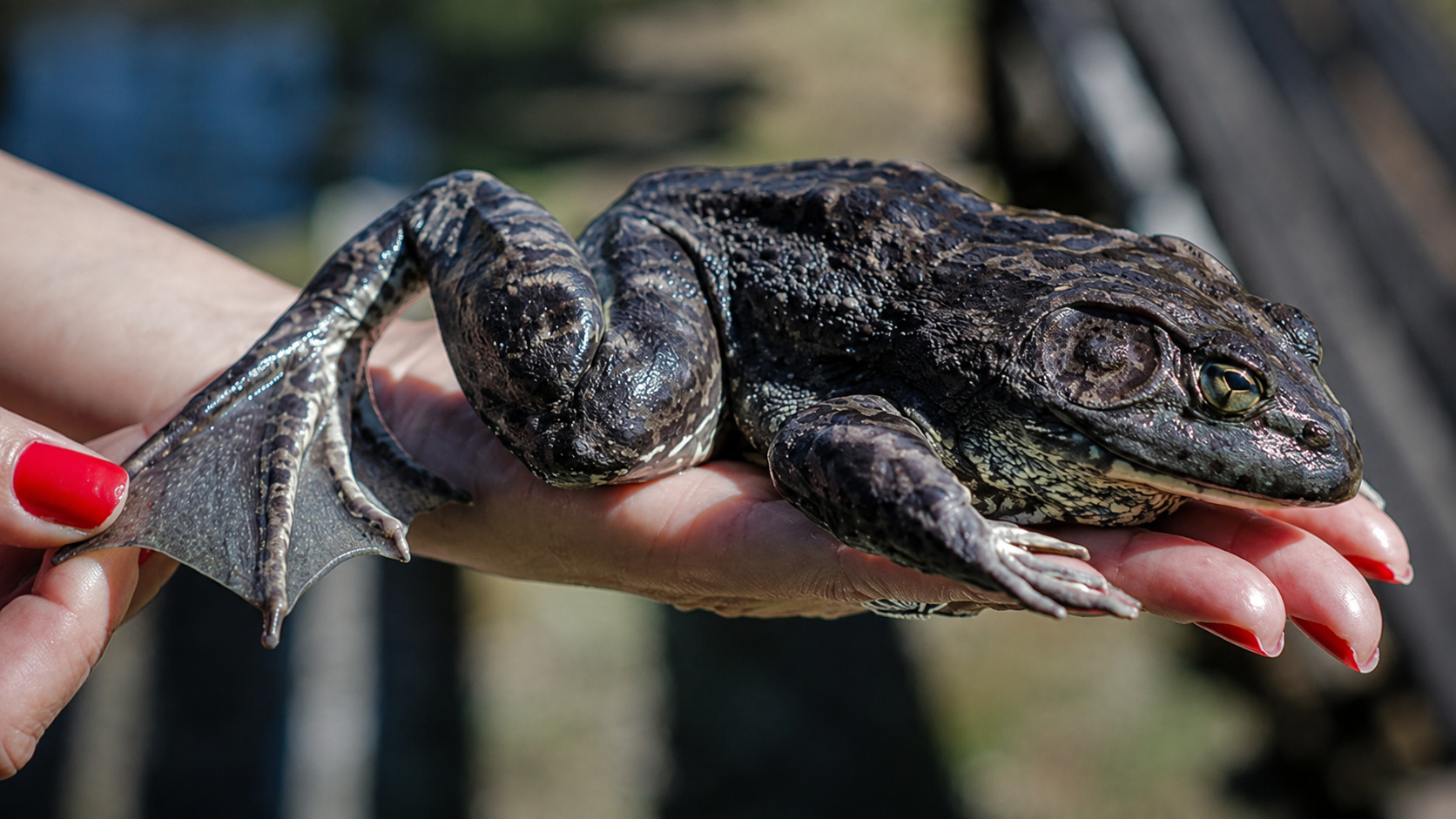
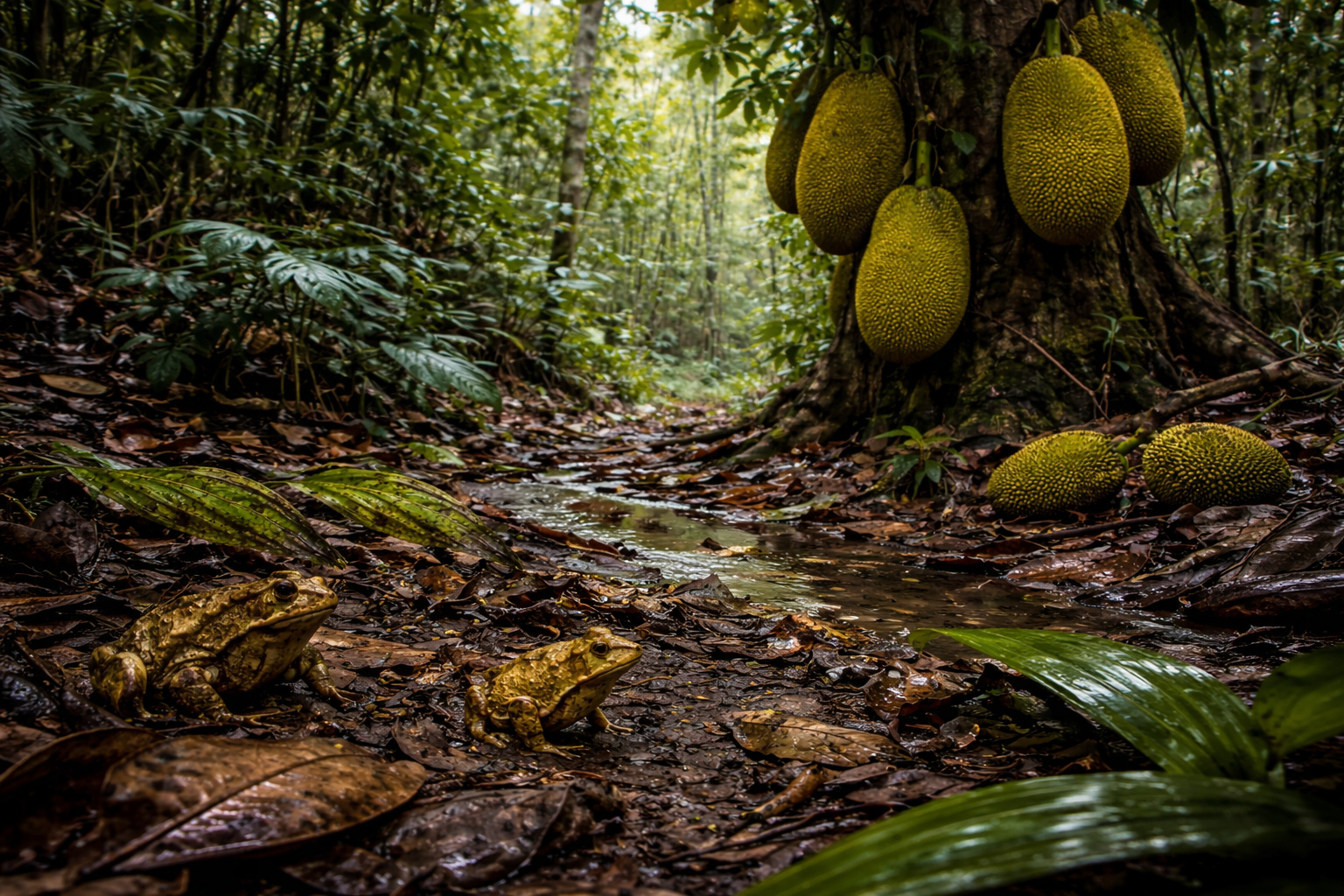
Invasive bullfrog capable of devouring other amphibians and laying up to 20,000 eggs is found in Florianópolis, raising an alert about the threat to native fauna.

Return of water sports draws attention
With the improvement of the water, the use of the lagoon is also evidently transforming.
Currently, rowers, canoeists, and practitioners of various modalities are returning to occupy the water surface.
Moreover, these activities return with more confidence, reflecting the perception of environmental recovery.
On the other hand, the presence of these athletes reinforces the new moment experienced by the lagoon.
Thus, the increase in activity in the area symbolizes an important comeback.
Sanitation drives environmental turnaround
According to reported information, the advancement of sanitation was decisive for this transformation.
Additionally, the interruption of irregular sewage disposal directly contributed to the improvement of water quality.
As a consequence, historical negative effects are beginning to be reversed.
At the same time, the environment is beginning to offer better conditions for human and sports use.
Therefore, the lagoon shows consistent evolution within this new scenario.
Urban importance is reinforced with recovery
With this transformation, Lagoa Rodrigo de Freitas reaffirms its relevance as one of the main points in Rio de Janeiro.
The environmental recovery strengthens its role in leisure, tourism, and sports activities.
Thus, the return of water sports represents a change not only visually but also functionally.
Finally, the current scenario highlights a new relationship between the city, the environment, and quality of life.
Will Lagoa Rodrigo de Freitas be able to maintain this environmental recovery sustainably over the coming years?