





 Português
  Inglês
  Espanhol
  4 min de leitura
  1 comentário




How Global Warming And Changes In Rainfall Are Compromising The Integrity Of Bridges And The Overall Impact Of These Conditions.
The global warming, an increasingly present phenomenon in everyday life, has shown direct and concerning effects on infrastructure around the world, particularly on bridges. These structures, essential for the mobility and connectivity of cities, are being compromised in ways that previously seemed unimaginable. This article explores how rising temperatures and climate changes are impacting the integrity of bridges and what the potential consequences are for global infrastructure.
Global Warming And Bridges: The Impact Of Elevated Temperatures
The increase in temperatures due to global warming has been a critical factor in the deterioration of bridges.
With this phenomenon, it has been observed that heatwaves intensify the risk of collapses.
-
Buried under China, a colossal machine weighing 20,000 tons began operating as the largest neutrino detector on the planet and, in just 59 days, surpassed results that science took half a century to achieve.

-
Iran enters the center of a climate alert after the war emitted 5.6 million tons of CO2 in two weeks, surpassing the annual pollution of entire countries.

-
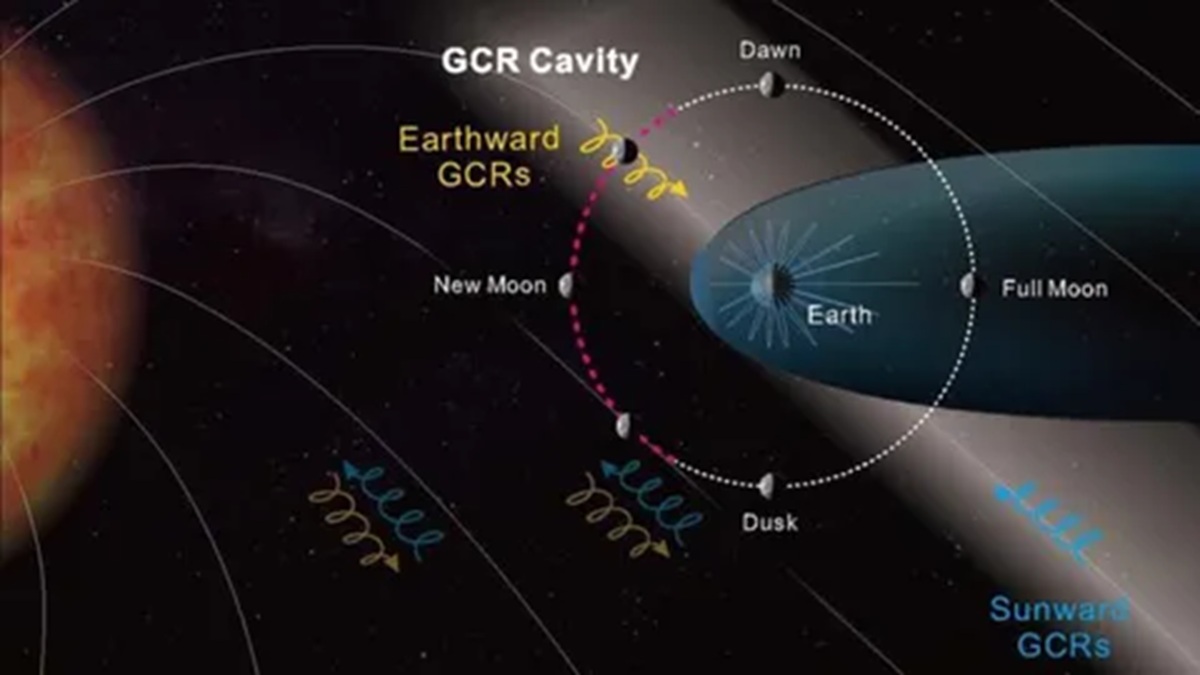
Lunar exploration may change after a Chinese probe finds a “cavity” of radiation that reduces the impact on astronauts by up to 20% at certain times on the Moon.
-
Artemis 2 sends four astronauts on a historic mission to the Moon after 50 years, with a launch on April 1 and a record flight to the far side of the Earth’s natural satellite.


Paul Chinowsky, a civil engineering professor at the University of Colorado, highlights that the crisis faced by many bridges in the U.S. is closely tied to extreme weather events. According to Chinowsky,
“These things are not what would happen under normal weather circumstances”. High temperatures affect bridge materials, which were not designed to withstand such severe thermal fluctuations.
This effect, resulting from global warming, causes “expansion” and “contraction” in the components of the structures.
The materials used in bridges, such as concrete, steel, and wood, have limits regarding temperature variations.
When exposed to heatwaves, these materials can expand or contract, compromising structural integrity and, in extreme cases, leading to bridge collapses.
Studies show that, for many structures, excessive heat can cause significant deformations and even ruptures.
Rain And Flooding: Other Challenges For Structures
In addition to extreme heat, the increase in the frequency and intensity of rainfall also poses a considerable threat.
Frequent flooding and excessive rainfall intensify erosion around bridge foundations, which can lead to the weakening of the structure.
This type of wear is observed more frequently in regions experiencing torrential rains and severe weather events.
A study conducted by researchers at Colorado State University revealed that a significant percentage of bridges in the U.S. will be impacted by rising temperatures associated with global warming.
In a projected scenario for the year 2050, analyses indicate that up to one in four steel bridges in the U.S. may collapse due to extreme weather conditions.
Researchers warn that “neglecting potential future climate changes could put the integrity of many bridges at risk”, highlighting the importance of addressing the impacts of global warming.
The impact of rainfall is also evident in specific cases. In the state of Vermont, for example, the combination of heavy rains and high temperatures caused damage to approximately 100 bridges in the last two years.
Other states, such as New York and Maine, have also reported similar problems, highlighting the growing concern about the condition of bridges.
What Is Being Done?
To address the challenges of global warming, some regions are taking steps to reinforce the resilience of bridges against new climate conditions.
In Vermont, a reconstruction process has been initiated to upgrade bridges with more resistant materials and deeper foundations, capable of better withstanding thermal variations and erosion caused by rainfall.
This approach aims to increase the durability of the structures and minimize the risk of future collapses.
Other locations are also implementing strategies to mitigate damage caused by global warming and extreme weather events.
However, the task is complex and requires significant investments in engineering and maintenance to ensure that bridges can withstand the new environmental conditions.
International Cases: Examples Of Damage Due To Global Warming
The problem is not limited to the United States. In other parts of the world, such as Rio Grande do Sul in Brazil and Japan, the effects of global warming on bridges are also evident.
In Brazil, heavy rains have caused the destruction of bridges, such as the case recorded in the city of Santa Tereza. In Japan, similar episodes have occurred recently, demonstrating that the impact of climate change on infrastructure is a global challenge.
In summary, global warming is presenting new challenges for the maintenance and safety of bridges around the world.
The increase in temperatures and changes in precipitation patterns are accelerating the wear of these structures, putting the safety and functionality of transport networks at risk.
As the climate continues to change, it is essential that engineering and maintenance strategies evolve to address these new challenges and protect critical infrastructure in cities.







No ex RS não é mudança climatica, mas ciclos climáticos e o maior impessilho judicial ou seja qualquer **** entra com uma ação na justica e essa justiça se acha que intende de ciências geológicas e por exemplo profissionais sem conhecimento hidrogeologico proíbem a dragagem dos rios assim diminuindo o calado da água e fazendo com que o rio aumentam a erosão lateral. Ex o Estuário Guaiba hoje você consegue caminhar por mais de 2km a pé sem passar joelho. No mesmo período de tempo em 41 choveu por volta de 600mm e 24 choveu 500mm e o nível foi mais alto o que causou isso? Precisa explicar!