





 English
  Francês
  Alemão
  Italiano
  Japonês
  Norueguês
  Portuguese
  Spanish
  3 min of reading


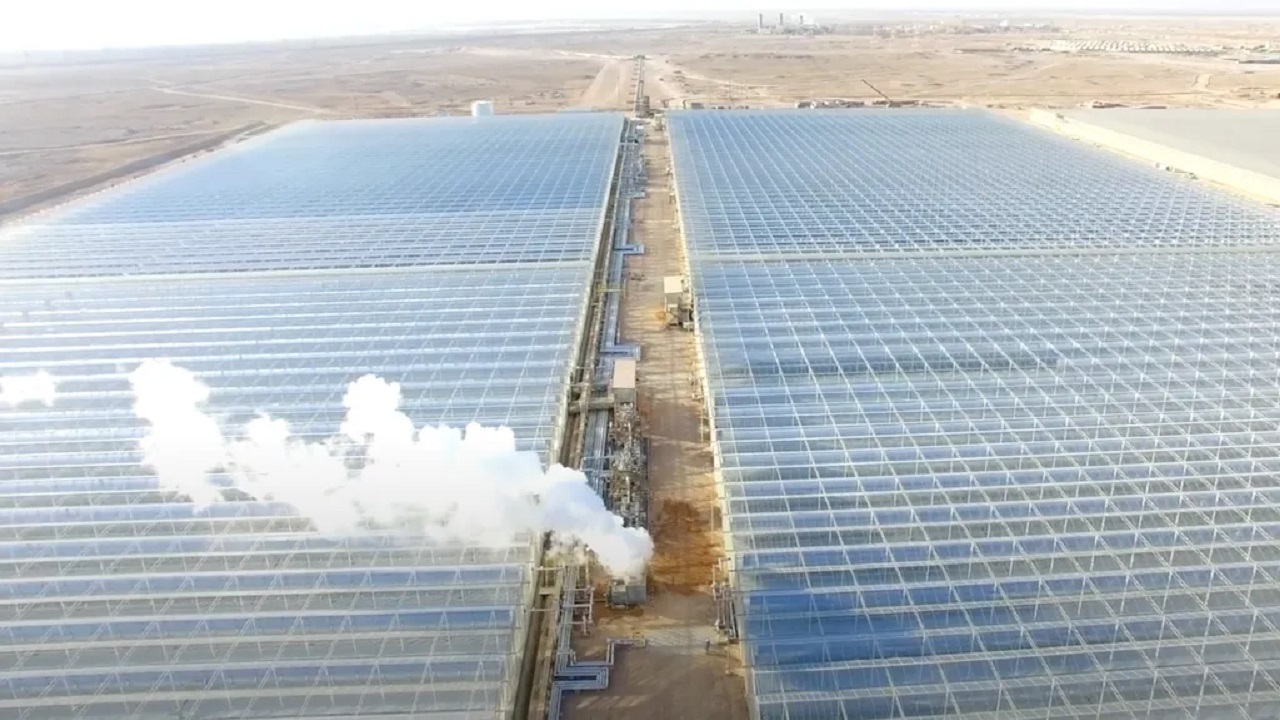
A Saudi Arabia Company Is Installing The World’s First Solar-Powered Steam Plant For Aluminum Production, Potentially Reducing Around 600,000 Tons Of CO2 Per Year.
The Ma’aden, a mining company from Saudi Arabia, and the U.S. solar energy cell supplier GlassPoint, have closed an initial agreement for the construction of the world’s first and largest solar-powered steam plant. The goal of the partnership is to contribute to the decarbonization of the aluminum production process, which consumes a lot of energy and generates serious environmental problems due to coal burning.
The Saudi Arabia Company’s Steam Plant Has Been Named ‘Solar 1’
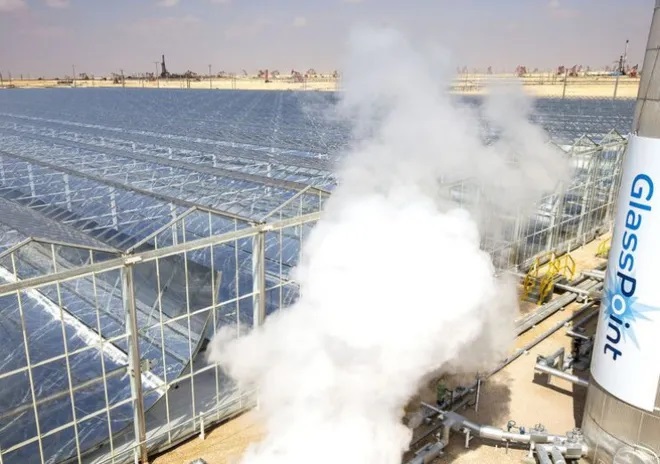
The installation of the steam plant is expected to help the Saudi mining company reduce its carbon emissions by around 600,000 tons annually. According to Robert Wilt, CEO of the company, the construction of the solar-powered steam plant is expected to drastically reduce the company’s pollutant gas emissions, bringing the company closer to its main goal of achieving total carbon neutrality by 2050.
The new plant, named Solar 1, will be installed in Ras al Khair, in the Kingdom of Saudi Arabia, and will harness solar energy to generate the steam used by the company in the production of aluminum at an old bauxite refinery. This process is expected to reduce the miner’s emissions by up to 10%, which is equivalent to taking nearly 130,000 passenger cars off the road.
-
With 160,000 m² of collectors, an area larger than 20 football fields, Silkeborg, in Denmark, hosts a solar thermal plant that heats 19,500 homes and could become the largest solar heating plant in the world.

-
A study reveals the expansion of renewable energy procurement in Brazil and shows how companies are taking advantage of opportunities to reduce expenses, ensure energy efficiency, and strengthen strategic environmental commitments.

-
Roraima bets on the sun to escape high tariffs: Amid the energy crisis and price hikes, solar energy is growing in Roraima and transforming consumption in the North region.
-
Mato Grosso do Sul excels in the sugar-energy sector: the state reaches a milestone of 22 operating mills and accelerates the production of clean energy in MS with a focus on sustainability.

Instead of using coal or gas to boil water and produce the steam used in bauxite refining, the steam plant developed by the American company uses curved mirrors hung in greenhouses to reflect solar energy and heat the pipes responsible for generating steam.
The Steam Plant Will Produce 1.5 Gigawatts Of Renewable Energy
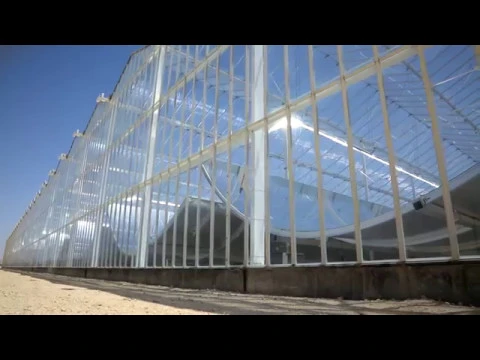

According to the vice president of the Saudi Arabia company, Riyadh Al Nassar, the steam will be used to refine bauxite ore and produce alumina, a key raw material in aluminum production, which is currently one of the most important metals in the world for global industries in a future focused on the environment and sustainability.
Once completed, the solar-powered steam plant will be capable of producing 1.5 gigawatts of renewable energy. This amount accounts for more than half of the steam generated through coal combustion, which is currently used for aluminum production at the refinery.
The aim is to install a similar system throughout the aluminum production and supply chain, mitigating not only CO2 emissions but also the production costs of more sustainable and economically efficient energy matrices.
According to Rod MacGregor, CEO of GlassPoint, as countries move towards green aluminum production, the company aims to lead this transition by presenting viable, low-cost solutions that can make it a reference in sustainable supply production for the automotive and electronics industries.
Similar Projects Advance In Brazil
Earlier this year, PepsiCo installed an innovative energy generation project for Snacks in Minas Gerais. This is a solar thermal plant that features reflective panels that convert thermal energy into heated water.
With the use of this technology, the company will avoid emitting approximately 280 tons of greenhouse gases, due to the reduction in the use of natural gas by 140,000 m³ at the unit. This reduction is equivalent to planting approximately 18,000 trees.









Seja o primeiro a reagir!