





 Portuguese
  English
  Spanish
  4 min of reading
  0 comments


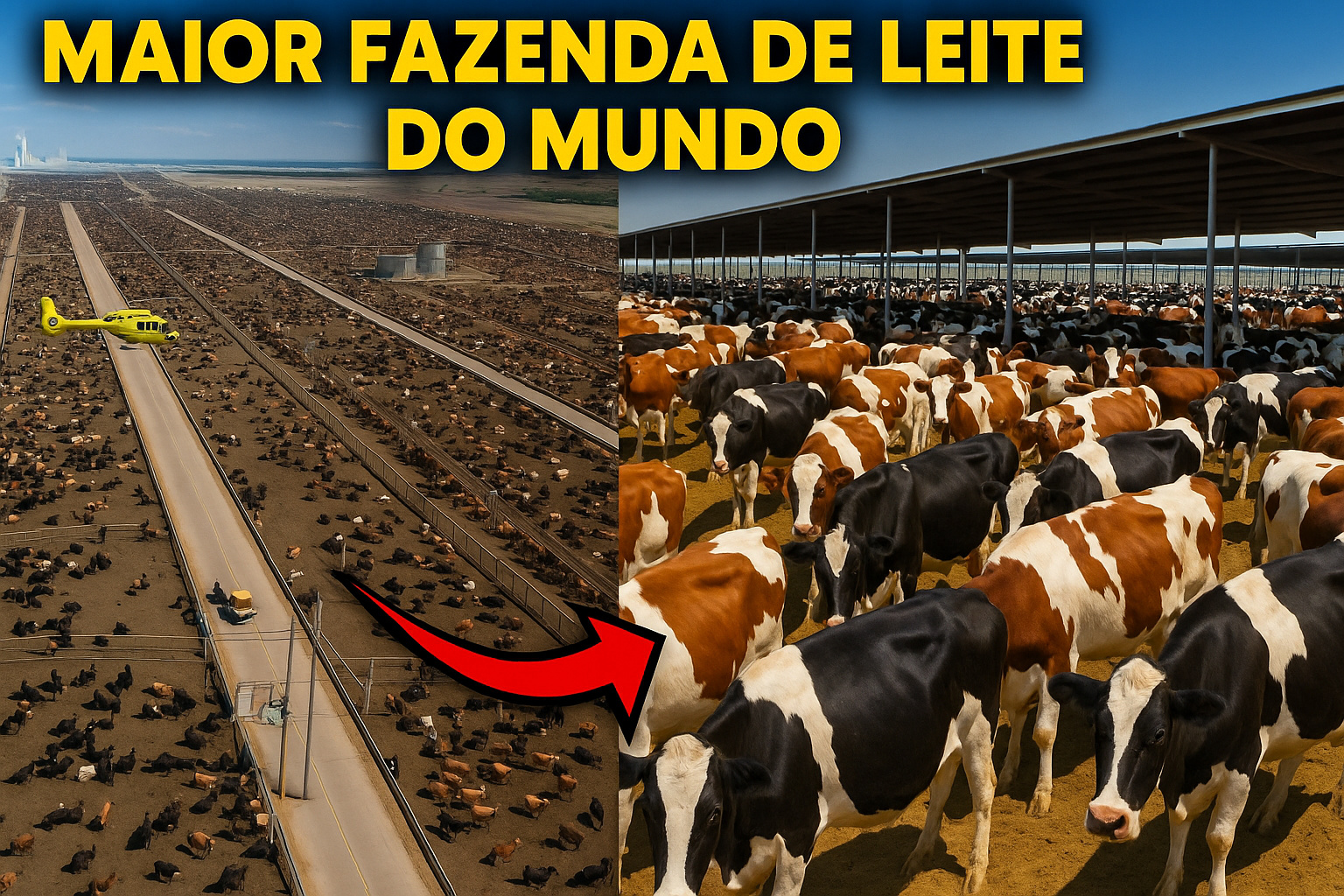
Project in Partnership Between Algeria and Qatar Aims to Revolutionize Dairy Production, Create Thousands of Jobs, and Supply the Entire Local Market.
One of the largest agricultural projects on the planet was recently announced: Algeria, in partnership with the giant Baladna from Qatar, confirmed an investment of US$ 3.5 billion to build the world’s largest dairy farm. The venture will house 272,000 lactating cows in a modern complex capable of completely transforming the dairy production chain in the African country.
Located in the Adrar province in southwestern Algeria, the farm will cover an area of 117,000 hectares and will be equipped with cutting-edge technology, integrating the entire chain: from milking to processing and packaging of powdered milk.
The Dimensions of the Project
To give an idea of the size of the investment, no other dairy farm in the world comes close to these numbers. Today, large complexes in Brazil, China, and the United States concentrate several tens of thousands of cows. The Algerian proposal multiplies this level by several times, creating an unprecedented production model.
-
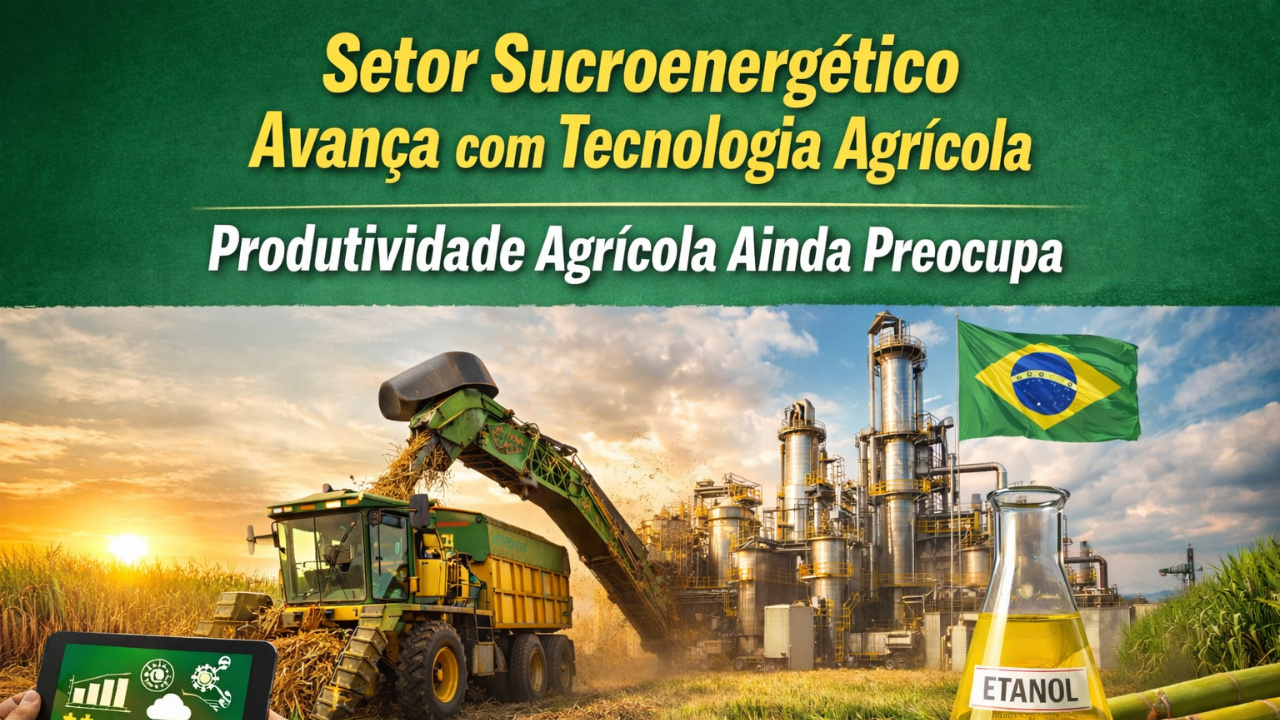
The sugar-energy sector advances with agricultural technology, but agricultural productivity still raises concerns.
-
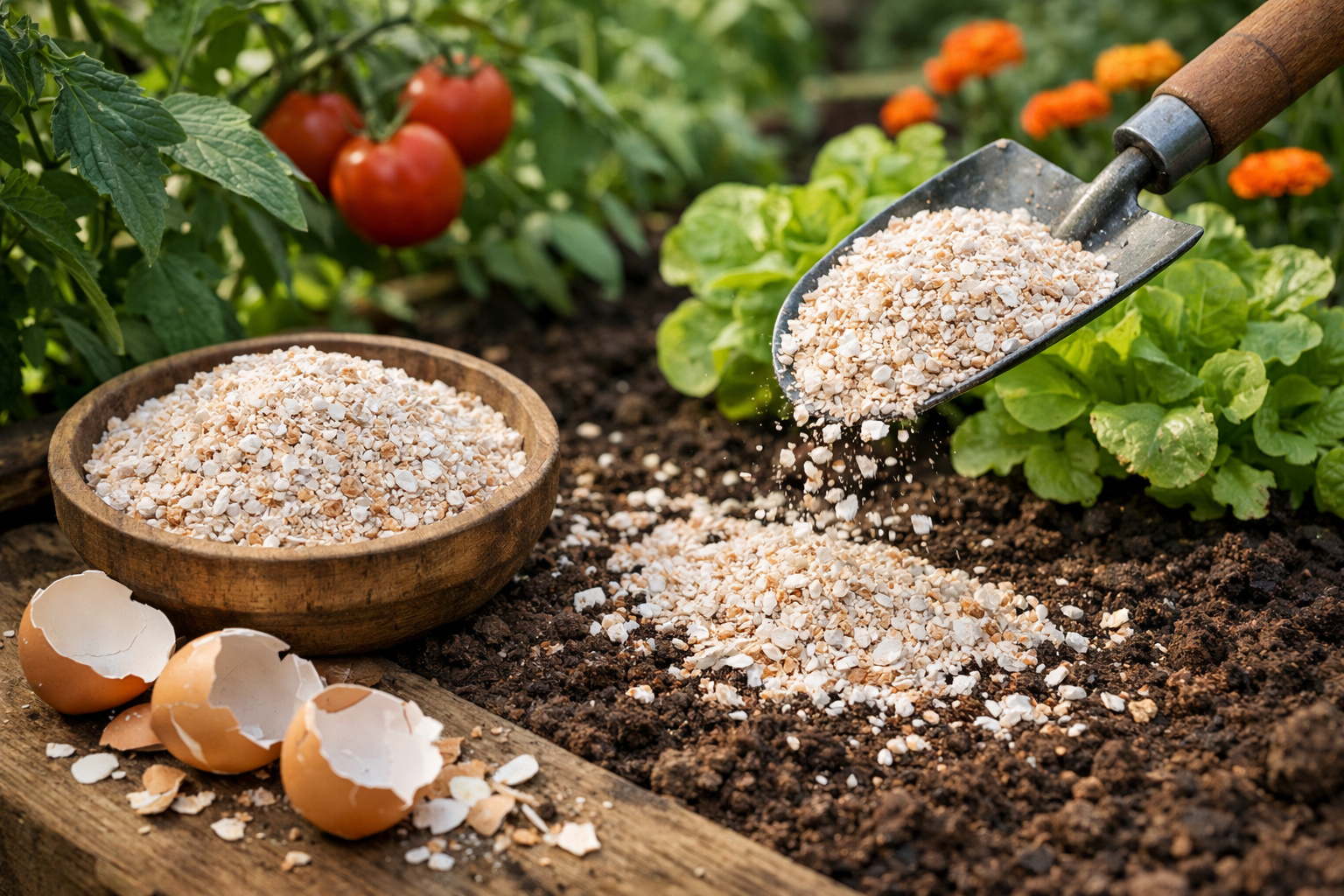
The eggshell that almost everyone throws away is made up of about 95% calcium carbonate and can help enrich the soil when crushed, slowly releasing nutrients and being reused in home gardens and vegetable patches.
-
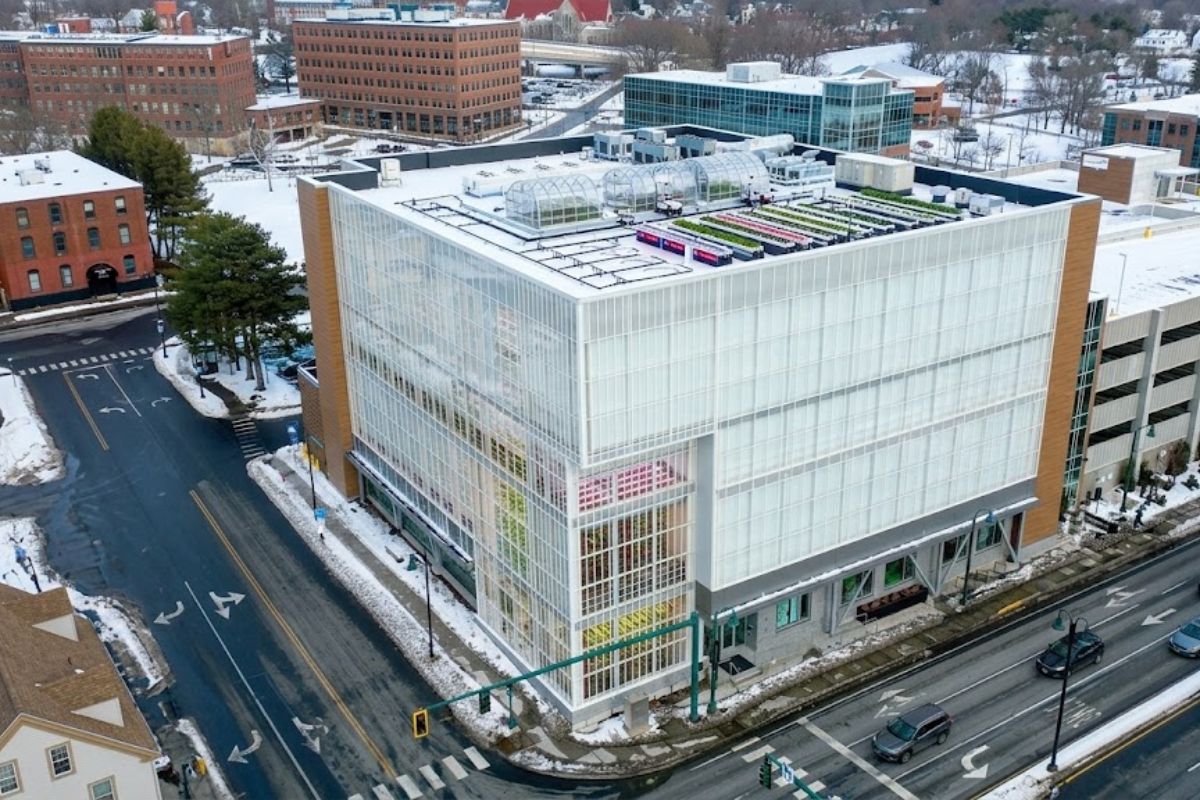
This farm in the United States does not use sunlight, does not use soil, and produces 500 times more food per square meter than traditional agriculture: the secret lies in 42,000 LEDs, hydroponics, and a system that recycles even the heat from the lamps.
-
The water that almost everyone throws away after cooking potatoes carries nutrients released during the preparation and can be reused to help in the development of plants when used correctly at the base of gardens and pots, at no additional cost and without changing the routine.


According to estimates, the megacomplex will have the capacity to produce 200,000 tons of powdered milk per year. This amount is sufficient to ensure internal supply and drastically reduce dependence on dairy imports.
Economic and Social Impact
The Algerian government highlighted that the project will create more than 5,000 qualified jobs, as well as stimulate parallel supply chains, such as transportation, agricultural inputs, feed production, and technological services.
The expectation is that by the end of 2027, when the farm reaches its full capacity, Algeria will become self-sufficient in milk and start competing in the international market, exporting part of its production.
For Qatar, the investment partner, the initiative reinforces the strategy to ensure food security in strategic regions, diversifying its operations beyond the Middle East.
The Strategic Importance for Algeria
Algeria is one of the largest importers of powdered milk in the world. A large part of the national consumption comes from European countries and New Zealand, which generates high costs and vulnerability to fluctuations in international prices.
With the establishment of the world’s largest dairy farm, the country takes a decisive step towards achieving food sovereignty. The goal is clear: reduce external dependence and transform dairy farming into a new economic development hub.
High Technology in the Field
The complex will have modern solutions for management, animal genetics, and automation. Milking will be fully mechanized, ensuring efficiency and standardization of production. In addition, dedicated feed factories, irrigated grazing areas, and processing centers with unprecedented industrial capacity will be built.
This structure will allow the project to operate in an integrated manner, with quality control from the farm to the final product. For the Algerian consumer, this means more safety and availability of milk at competitive prices.
Logistical and Environmental Challenges
Despite the enthusiasm, experts remind us that the success of a project of this magnitude depends on logistical and environmental factors. The Adrar region is arid, requiring advanced irrigation systems to sustain food production for the herd.
Water issues, energy supply, and sustainability of the model are still points of concern. However, local authorities assure that feasibility studies have already been conducted and that the project adheres to international standards of intensive livestock farming.
When It Starts Operating
According to information released, the construction of the megacomplex is expected to begin in 2026. The initial production is forecasted to occur in 2027, with gradual expansion until maximum capacity is reached.
If everything goes as planned, Algeria could, in less than a decade, transform into a new global dairy production hub, leaving behind its dependence on imports and opening the door to exports.
The Largest Dairy Farm in the World
The investment of US$ 3.5 billion to build the world’s largest dairy farm is a milestone in the history of agriculture. With 272,000 lactating cows, state-of-the-art technology, and an estimated annual production of 200,000 tons of powdered milk, the project promises to change not only the Algerian economy but also the global dairy market.
More than an engineering and livestock accomplishment, this initiative demonstrates how developing countries are investing in agro-industrial megaprojects to achieve food security and expand their presence in international trade.










Seja o primeiro a reagir!