





 Portuguese
  English
  Spanish
  3 min of reading
  0 comments



San Juan transformed the Circumvallation Avenue into the first highway in Argentina fully illuminated by solar energy, with 36 autonomous generators, 360 panels, an investment of 1.67 billion Argentine pesos, and an estimated annual savings of about US$ 30,000
San Juan inaugurated the first highway in Argentina fully illuminated by solar energy on Circumvallation Avenue, with 36 autonomous units, 360 panels, an investment of 1.67 billion Argentine pesos, and an estimated annual savings of about US$ 30,000.
Change on the highway
Until recently, drivers using Circumvallation Avenue traveled a common stretch, illuminated by the conventional power grid and integrated into the city’s traffic routine.
The road maintained a constant flow of vehicles, connected important accesses, and relied on traditional supply to ensure nighttime visibility along the entire route.
-
Minas Gerais reaches a historic record and surpasses the power of Itaipu, but network costs generate debate: Understand why solar energy in MG impacts the electricity bill of those without panels.
-
Mexico surprises the world by building the future largest solar plant in Latin America, advancing with planned expansion to over 1 GW, and boosting solar energy in the country.

-
Solar cells have just achieved the “impossible” with this 130% breakthrough.

-
The Sol do Agreste Photovoltaic Complex begins operations in Pernambuco and accelerates the expansion of solar energy in Brazil, directly impacting the reduction of emissions and strengthening the sustainable energy matrix.

This scenario began to change when construction teams occupied different sections of the ring road.
Construction areas emerged in various sectors, and metal poles began to be installed regularly.
The structure of the highway was not altered, but a new layer of infrastructure began to take shape, differentiating the system from the traditional public lighting model.


Project started in 2024
The initiative has been underway since 2024, when provincial authorities defined a plan related to the development of renewable energies in San Juan.
The coordination was handled by the Provincial Energy State Company, with separate contracts for the supply of equipment and for the installation of the system.
By mid-2025, contracts were signed, and the implementation was advancing throughout Circumvallation Avenue, preparing for the complete transformation of the lighting.
With the system completed, the province began operating the first Argentine highway fully illuminated by solar energy, without relying on the power grid.
How the system works
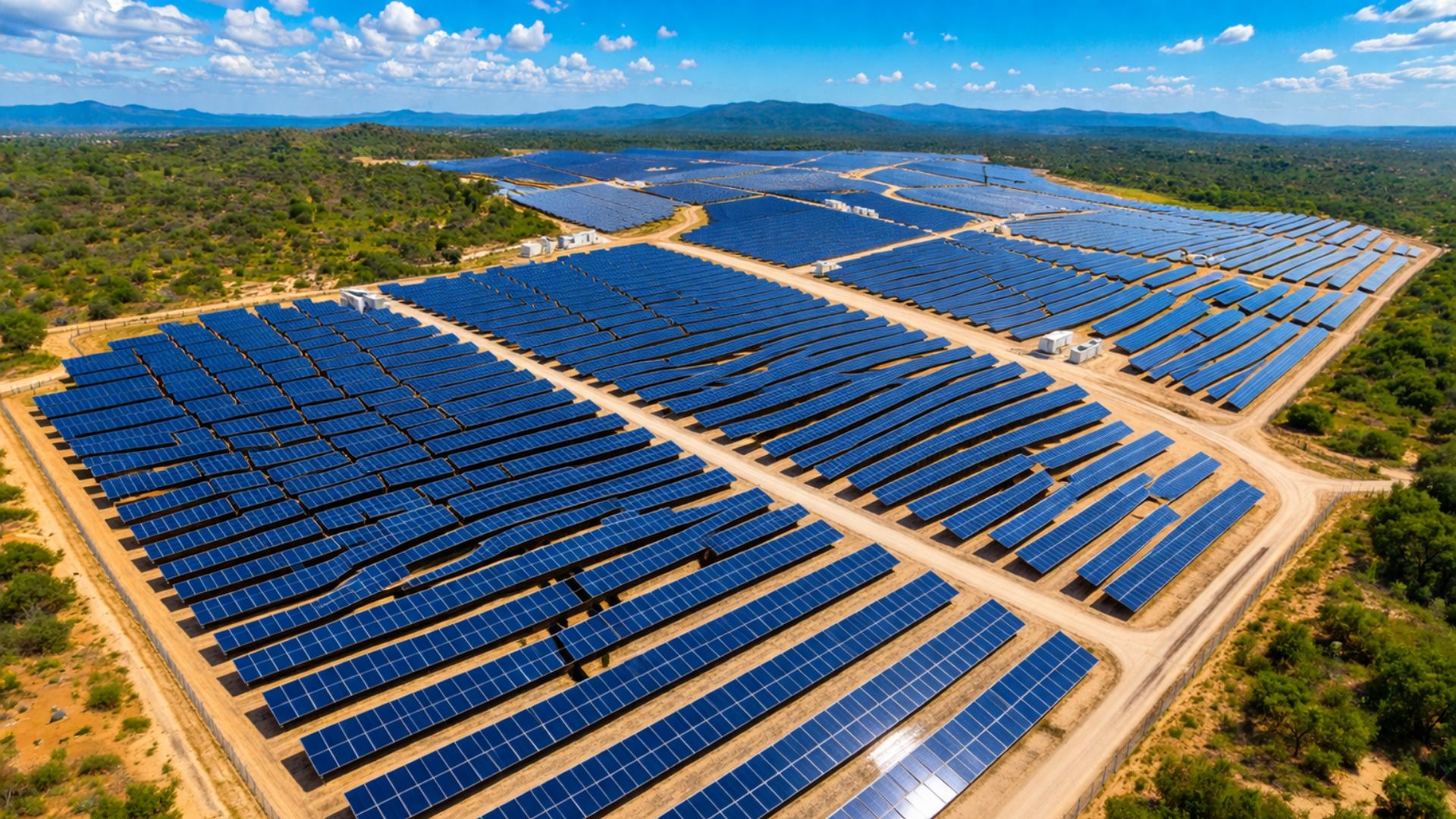
The core of the project consists of 36 independent solar units, each with a capacity of 5 kilowatts, distributed evenly along the route.
The units were mounted on seven-meter poles, positioned to maximize solar exposure and increase energy generation during the day.
Each generator operates autonomously, creating a decentralized network that powers the highway lighting without needing external energy.
The structures include solar panels and battery storage. The energy captured during the day is used after sunset to power the LED lighting.
Since each unit operates independently, the system continues to function even if part of the network experiences failures, maintaining nighttime visibility.
Installation numbers
Each of the 36 generators received 10 solar panels, totaling 360 panels installed along the highway and aimed at monitoring and road signaling.
The generators were divided into four sectors of the ring road, with nine units in each section, ensuring continuous coverage at intersections, accesses, and sections of heavy traffic.
The total cost of the project was approximately 1.67 billion Argentine pesos, with funding from the provincial government to execute the installation.
The official expectation is a reduction in annual electricity expenses of about US$ 30,000, resulting from less dependence on conventional sources.
Route selection and operation
The choice of Circumvallation Avenue was related to the geography of San Juan, which receives solar radiation throughout the year.
The highway also has constant traffic, which requires reliable lighting at night and justifies the application of solar energy in the road infrastructure.
The model eliminates the need for an extensive centralized wiring network, common in traditional lighting, and reduces the complexity of installation and operational costs.
More than 80 specialized workers participated in the construction, including engineers, electricians, and metallurgists based in San Juan, in a road environment that remained in use.
With the system operational, Circumvallation Avenue operates along RN A014 with 36 generators, panels, batteries, and LED lighting, forming a system entirely powered by solar energy.
With information from Daily Galaxy.








Seja o primeiro a reagir!