





 Portuguese
  English
  Spanish
  4 min of reading
  0 comments


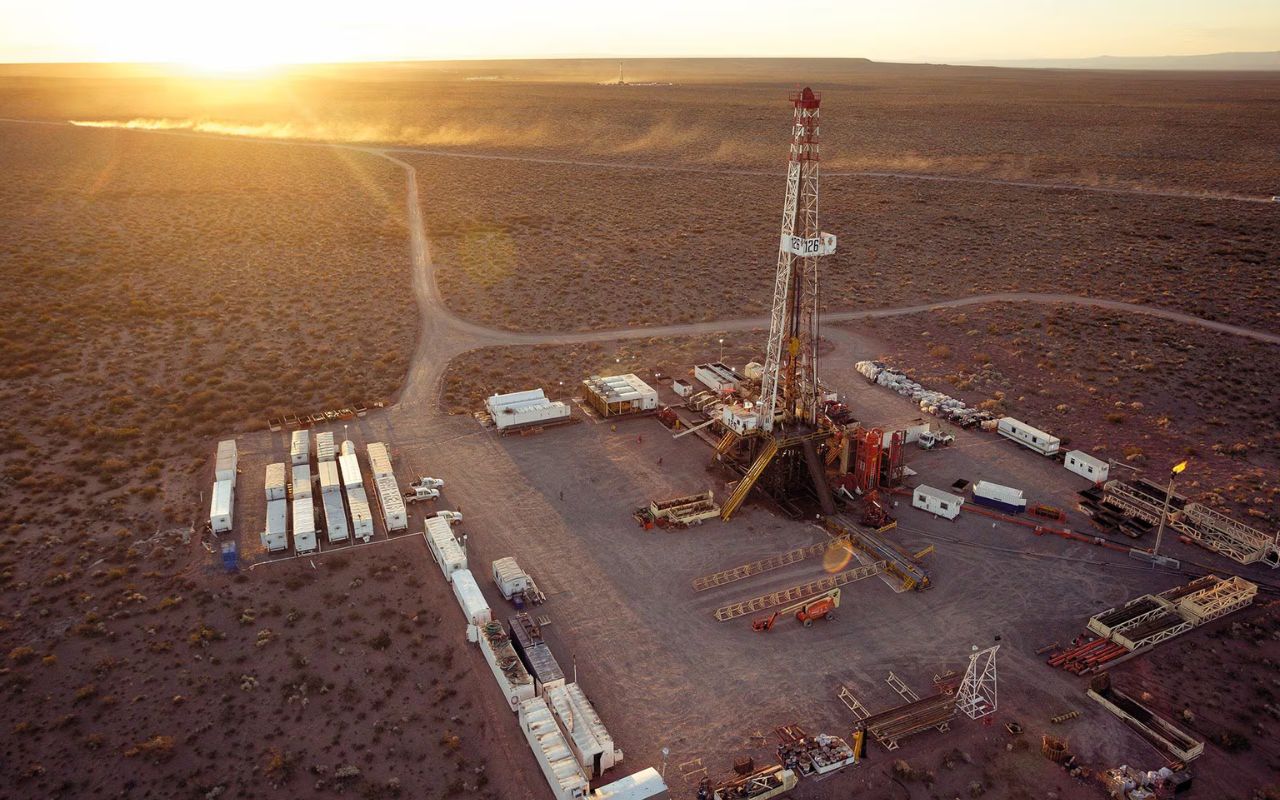
With The Advancement Of Shale Gas In Vaca Muerta, Argentina’s Energy Reserves Gain Strategic Weight And Generate Increasing Interest From Brazil.
The Brazil has intensified its energy diversification strategy by expanding negotiations involving shale gas from Argentina.
The change comes amid growing domestic demand, logistical challenges, and uncertainties in regional supply. Thus, bilateral agreements gain prominence.
Shale Gas Places Argentina At The Center Of Energy Reserves
At the heart of this transformation is Vaca Muerta, one of the largest areas of unconventional resources in the world.
-
Petrobras evaluates suspension of sales to distributors and considers canceling the cooking gas auction following guidelines from the Federal Government.
-
Lula reveals a masterstroke by Petrobras to undo a deal made by Bolsonaro, which involves the return of an important refinery that currently produces less than half of what was expected and makes Brazil dependent on international diesel.

-
A study confirms that the natural gas sector will reduce greenhouse gas emissions in Brazil by 0.5% and accelerate the energy transition by 2026.

-
Petrobras implements a severe adjustment and confirms a 55% increase in the price of aviation kerosene with a proposal for installment payments for the companies.


The region holds approximately 16.2 billion barrels of technically recoverable oil, according to international estimates.
Moreover, it concentrates the second-largest global reserve of shale gas. This type of gas, mainly composed of methane, is trapped in low-permeability rocks. Therefore, its exploration requires advanced techniques.
Unconventional Energy Reserves Depend On Fracking
The extraction in Vaca Muerta occurs through hydraulic fracturing, known as fracking.
The method involves deep drilling followed by the injection of water, sand, and chemical additives under high pressure.
The goal is to fracture the rock and release the trapped gas or oil. Although effective from a production standpoint, the process generates environmental debates.
Nevertheless, technological advancements have reduced costs and expanded economic viability.
Regulatory Changes Accelerate Argentinian Production
Despite being known for decades, Vaca Muerta began to be intensively explored only in recent years.
The boost came with technological improvements and changes in the regulatory environment. Under the presidency of Javier Milei, Argentina adopted deregulation measures.
Among them are exchange rate flexibility, tax incentives, and freedom in price formation. As a result, foreign investments have increased.
Global Giants Expand Presence In Energy Reserves
The new scenario has attracted international companies. Chevron, for example, has expanded operations and financial contributions.
The presence of these companies reinforces the perception of stability and return.
The numbers reflect this shift. By 2025, Argentinian production reached 859,500 barrels per day. The average annual growth is around 30%.
The official expectation is to reach one million barrels per day by 2027.
Brazil Expands Imports Due To Growing Demand
While Argentinian production advances, Brazil faces a distinct scenario.
Recent data indicates that national natural gas consumption increased by about 22% over the last decade. On the other hand, domestic production rose by only 7%.
This difference presses energy planning. Historically, Bolivia accounted for approximately 67% of Brazilian imports.
However, the Bolivian downturn reduced the volume sent to Brazil by 8.4% in 2024.
Argentinian Shale Gas Emerges As A Strategic Alternative
In this context, Argentinian shale gas has gained traction. By the end of 2024, Brazil and Argentina signed an initial supply agreement.
The projected volume reaches 2 million cubic meters daily.
The projections are even more ambitious. Estimates suggest the flow could reach 30 million cubic meters per day by 2030. Thus, the agreement could significantly alter the Brazilian import matrix.
The transport uses the Bolivia-Brazil Gas Pipeline (Gasbol), which is approximately 3,150 km long. The infrastructure connects Rio Grande, Bolivia, to Canoas, Rio Grande do Sul.
The operation is managed by Transportadora Brasileira Gasoduto Bolívia-Brasil S.A. (TBG). Therefore, the Bolivian infrastructure maintains an essential role even amid local production decline.
Petrobras Tests Regional Integration Of Shale Gas
In October 2025, Brazil carried out an experimental import of Argentinian gas. Petrobras, through Petrobras Operaciones S.A. (POSA), led the operation.
The test occurred in partnership with Gas Bridge Comercializadora and also involved Pluspetrol. The first batch transported totaled 100,000 cubic meters.
This movement signals a concrete advance in regional energy integration.
Environmental Debate Follows The Expansion Of Energy Reserves
Despite the economic benefits, fracking remains a target of criticism. The high water consumption worries specialists and local communities. Each operation can demand between 10 and 30 million liters.
Moreover, there are concerns about potential contamination and methane emissions. This gas has a significantly greater climate impact than CO₂ in the short term.
For this reason, European countries have adopted restrictions on the technique. The strengthening of Argentinian energy reserves expands commercial and geopolitical opportunities.
For Brazil, access to shale gas may reduce costs, increase predictability, and enhance energy security.
At the same time, environmental and regulatory challenges remain at the center of discussions. Nevertheless, bilateral cooperation tends to gain relevance.
After all, energy has become a key element in South American economic development.
With information from Revista Fórum.









-

2 pessoas reagiram a isso.