





 Portuguese
  English
  Spanish
  5 min of reading
  0 comments


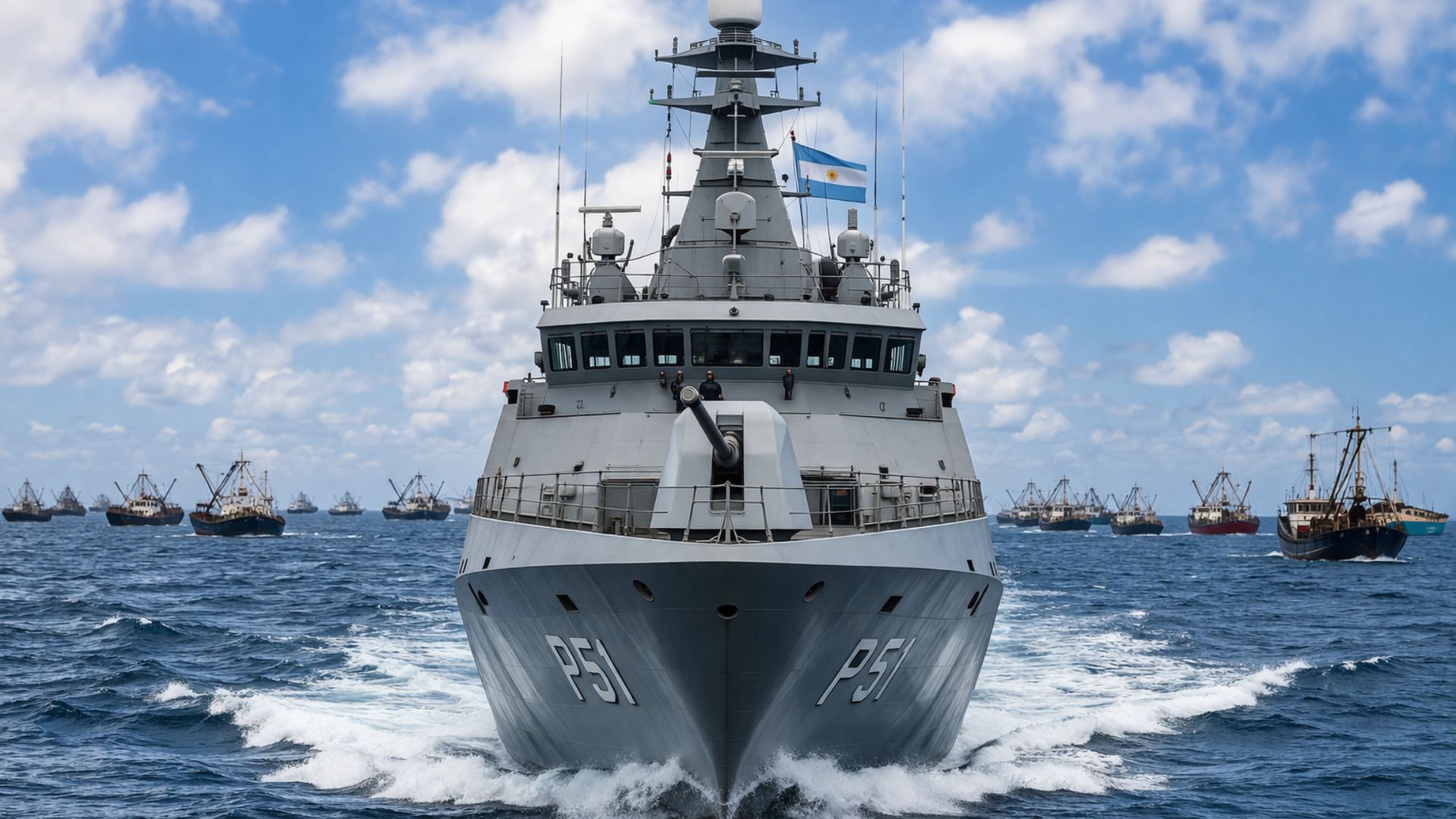
Expanded naval presence in the South Atlantic combines French technology, long range, and focus on fisheries surveillance in one of the most disputed maritime areas of the hemisphere, with continuous operations of surveillance, search and rescue, and protection of strategic resources.
Argentina has consolidated in the South Atlantic a fleet of four ocean patrol vessels of French origin to enhance surveillance of the Exclusive Economic Zone, reinforce naval presence, and sustain permanent missions of surveillance, search and rescue, and protection of natural resources in an area exceeding 1.159 million km².
The vessels are part of the project to restore the maritime patrol capacity of the Navy and have begun operating as one of the country’s main tools for controlling the maritime space of national interest.
Fleet of French patrol vessels strengthens maritime surveillance
The core of this device is formed by the ARA Bouchard, ARA Piedrabuena, ARA Storni, and ARA Contraalmirante Cordero, ships incorporated in successive stages to restore a capacity considered strategic by the Argentine Navy.
-
U.S. gardeners are starting to replace a historic item with a lighter, quieter battery model that doesn’t require fuel mixing.

-
Researchers from UFJF analyzed an audio tape from 1955 and concluded that Chico Xavier got 88% of the information about 18 deceased people in Portugal whom he had never met, and the international scientific journal Explore has just published the study that is reigniting the debate between science and spirituality 71 years later.

-
Few people know, but potatoes: neither in the refrigerator nor next to the onion! Check out the correct way to store this vegetable.

-
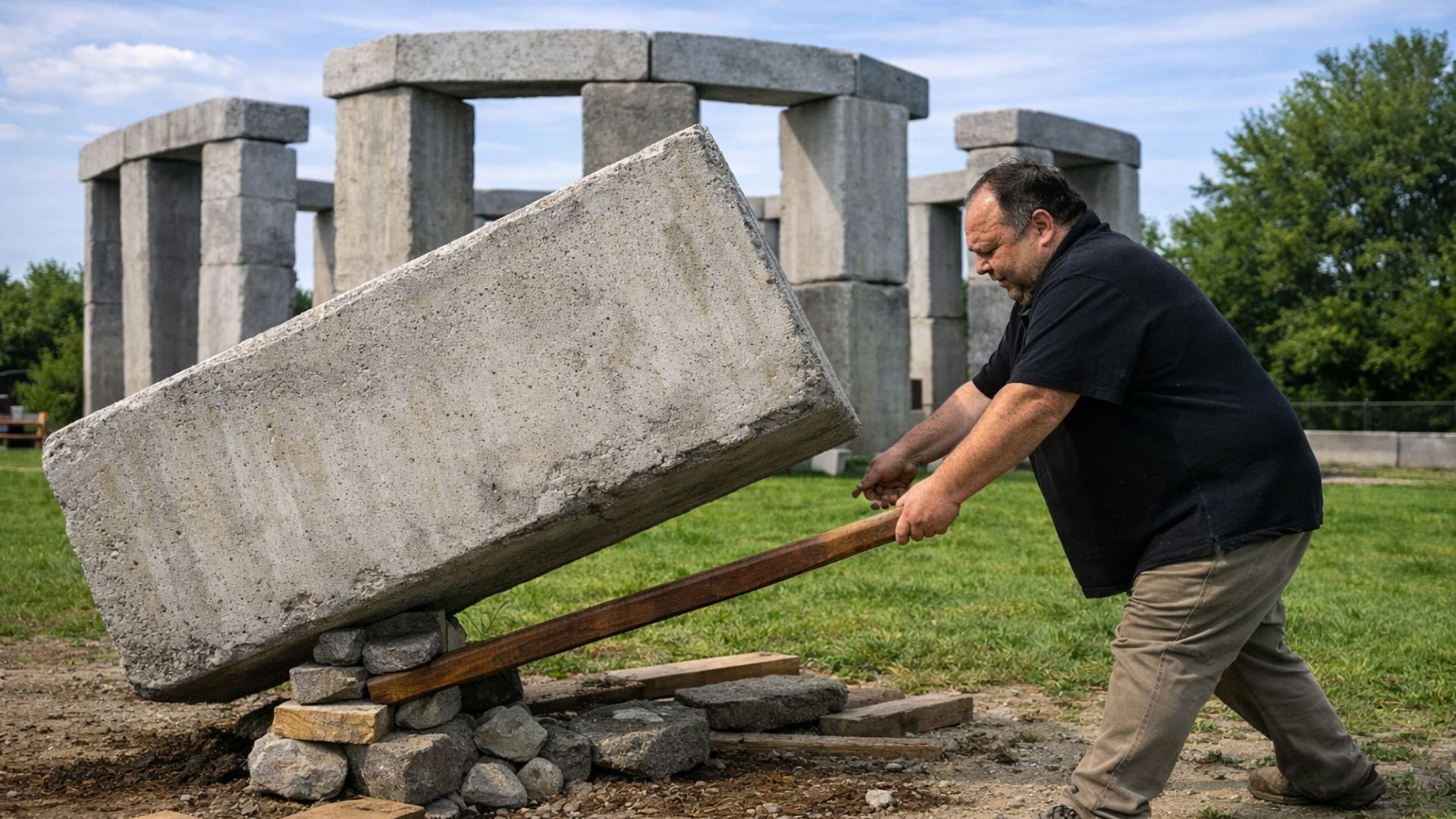
Retired from construction, he built a Stonehenge in his backyard in Michigan using wooden levers, small stones, and gravity to demonstrate how one man can move giant blocks.
The program was completed with the delivery of the fourth patrol vessel in April 2022, concluding a cycle of incorporations that met the schedule established between the company and Buenos Aires.
There is an important distinction within the series.
The Bouchard was not originally under the Argentine flag, as it was the L’Adroit, previously used by the French Navy and later modernized for transfer.
On the other hand, Piedrabuena, Storni, and Contraalmirante Cordero were built in Concarneau to complete the order intended for the Navy.
This combination allowed for the accelerated entry into service of the first hull while simultaneously enabling the delivery of the other units in a relatively short sequence.

Missions include combating illegal fishing and maritime rescue
In the official Argentine formulation, the use of these patrol vessels goes beyond mere naval presence.
The function assigned to the units includes surveillance and control of maritime spaces, interdiction at sea, protection of maritime and river trade, and execution of search and rescue operations.
There is also direct support for fisheries monitoring in coordination with the state structure responsible for control in the South Atlantic.
This role gains greater dimension when observing the environment in which Argentina operates.
Public documents from the government describe the area adjacent to the EEZ as one of the most relevant fishing regions in the country, highlighting hake, shrimp, and squid.
Official records indicate that extraregional vessels often concentrate near the so-called 200-mile mark.
The documentation also acknowledges that, on some occasions, ships are detected capturing species within the Argentine economic zone illegally.
Therefore, the presence of naval means for long durations has come to be treated as a regular component of the state’s action at sea.
Coordination occurs under the Joint Maritime Command, a structure aimed at monitoring and responding in a broad and sensitive space.
Technical specifications favor prolonged operations
The specifications of the class help explain the choice of this patrol vessel model.
In the case of the ARA Bouchard, the Navy reports 87 meters in length, 1,650 tons of displacement, a range of 7,500 nautical miles at 12 knots, and a maximum speed of 21 knots.
The numbers are compatible with the profile of a platform designed for prolonged patrol and ocean presence missions.
The Naval Group adds that the Argentine OPVs can remain at sea for more than three weeks.
The vessels operate with a reduced crew of about 40 military personnel and can accommodate additional personnel.
They also have the capacity to receive a helicopter on board.
Another highlight is the 360-degree visibility from the bridge and the panoramic radar coverage.
These resources favor continuous surveillance and identification of suspicious behaviors in extensive areas.
Armament and systems expand response capacity
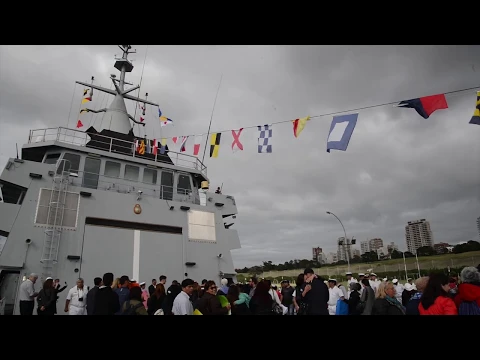

This package was not limited to the standard configuration of the hull.
The series received adaptations to meet Argentine needs, including systems aimed at command and situational awareness.
On the Storni, the integration of POLARIS and the tactical link NiDL, developed for state missions at sea, was highlighted.
In terms of armament, the Bouchard received a 30-millimeter Marlin WS cannon. The system was installed in Mar del Plata with international technical support.
The incorporation was presented as part of the adjustment to local operational requirements. The armament is primarily aimed at missions of surveillance, warning, and gradual response.
Additionally, the ships can launch intervention boats via a stern ramp. This feature allows for quick and efficient approaches during operations at sea.
Training in France accelerated entry into operation
The incorporation of the patrol vessels was not limited to the physical delivery of the ships. A central part of the program involved training the crews in France.
In the case of the Piedrabuena, there was training for a crew of 44 people. The training was conducted by specialized teams in operation and maintenance.
With the Storni, the training followed a similar line. The 42 sailors remained for almost four months in Concarneau.
The activities included theoretical and practical training, both in port and at sea. This stage aimed to reduce the adaptation curve and accelerate the entry into service.
Area of operation includes one of the largest SAR zones in the world
The relevance of these means grows when considering the extent of Argentina’s responsibilities at sea.
The country is responsible for a search and rescue area of about 16 million km². This scenario increases the need for ships capable of operating for long periods away from the coast.
Within this context, the French patrol vessels represent a permanent capacity for surveillance, enforcement, and response.
The operations occur in an environment where fishing activity, trade routes, sovereignty, and resource protection overlap daily.
In this operational scenario, the Bouchard class has established itself as one of the main tools of Argentine naval presence in the South Atlantic.




Seja o primeiro a reagir!