





 Portuguese
  English
  Spanish
  4 min of reading
  0 comments


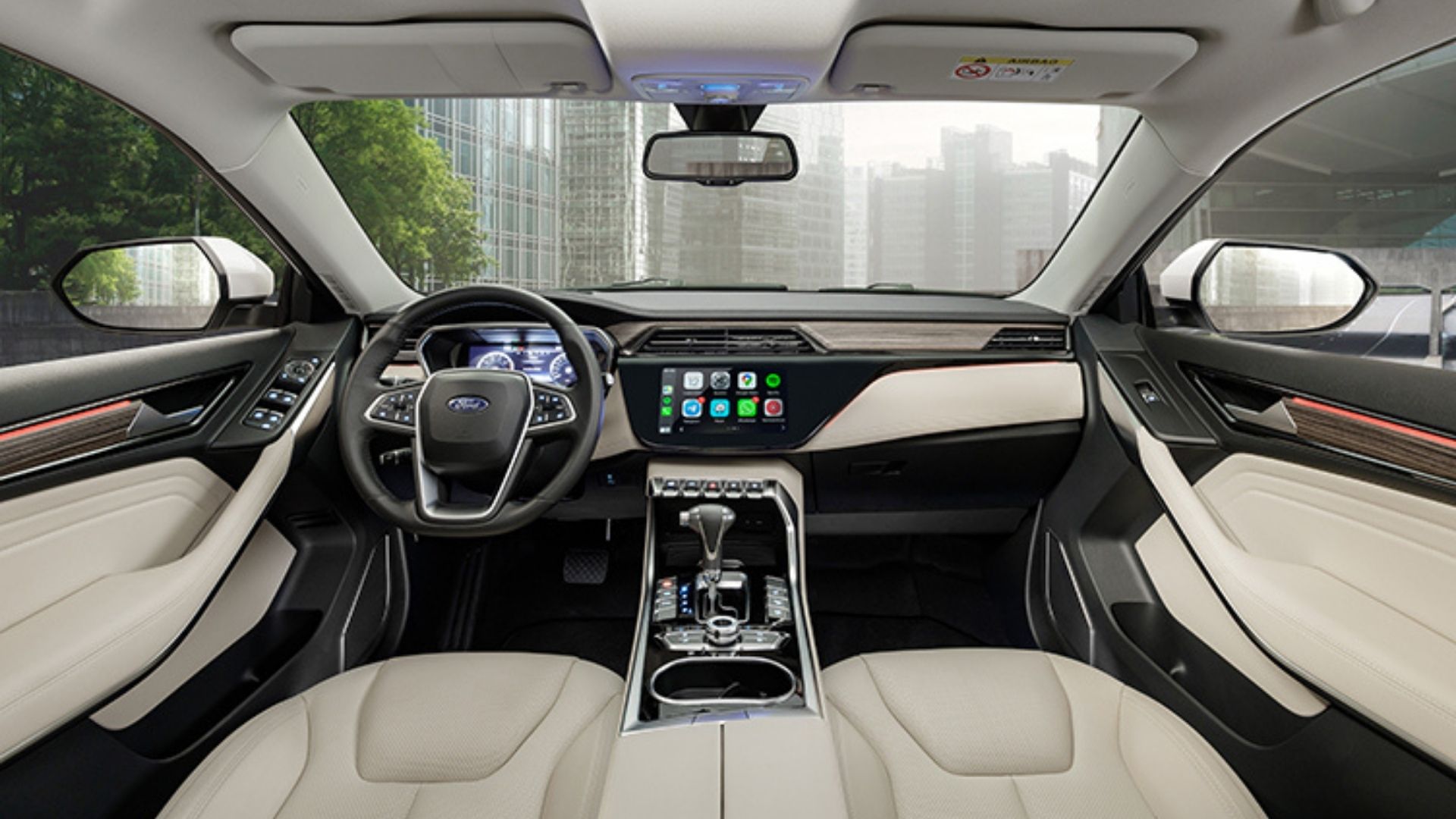
Ford used SUV market brings options ranging from national compact to imported utility with all-wheel drive, high level of equipment and more powerful engines, reflecting the diversity of the brand after the end of local production and expanding alternatives for different consumer profiles.
Ford stopped manufacturing cars in the country, but the brand still maintains a presence in the Brazilian market with utilities of very different profiles, both among the more recent imports and in the used stock.
In this context, the offer mixes everything from the EcoSport, which helped popularize the segment here, to larger and more sophisticated models like Edge, Territory, and Bronco Sport, each with its own proposal for engine, traction, safety, and equipment.
The common point lies less in an identical technical sheet and more in the variety of attributes that these SUVs still offer in the used and pre-owned market.
-
A brand new car starts at around R$ 75,000 in Brazil, but what stands out the most is seeing streets filled with SUVs and expensive sedans in a country where millions remain in debt.

-
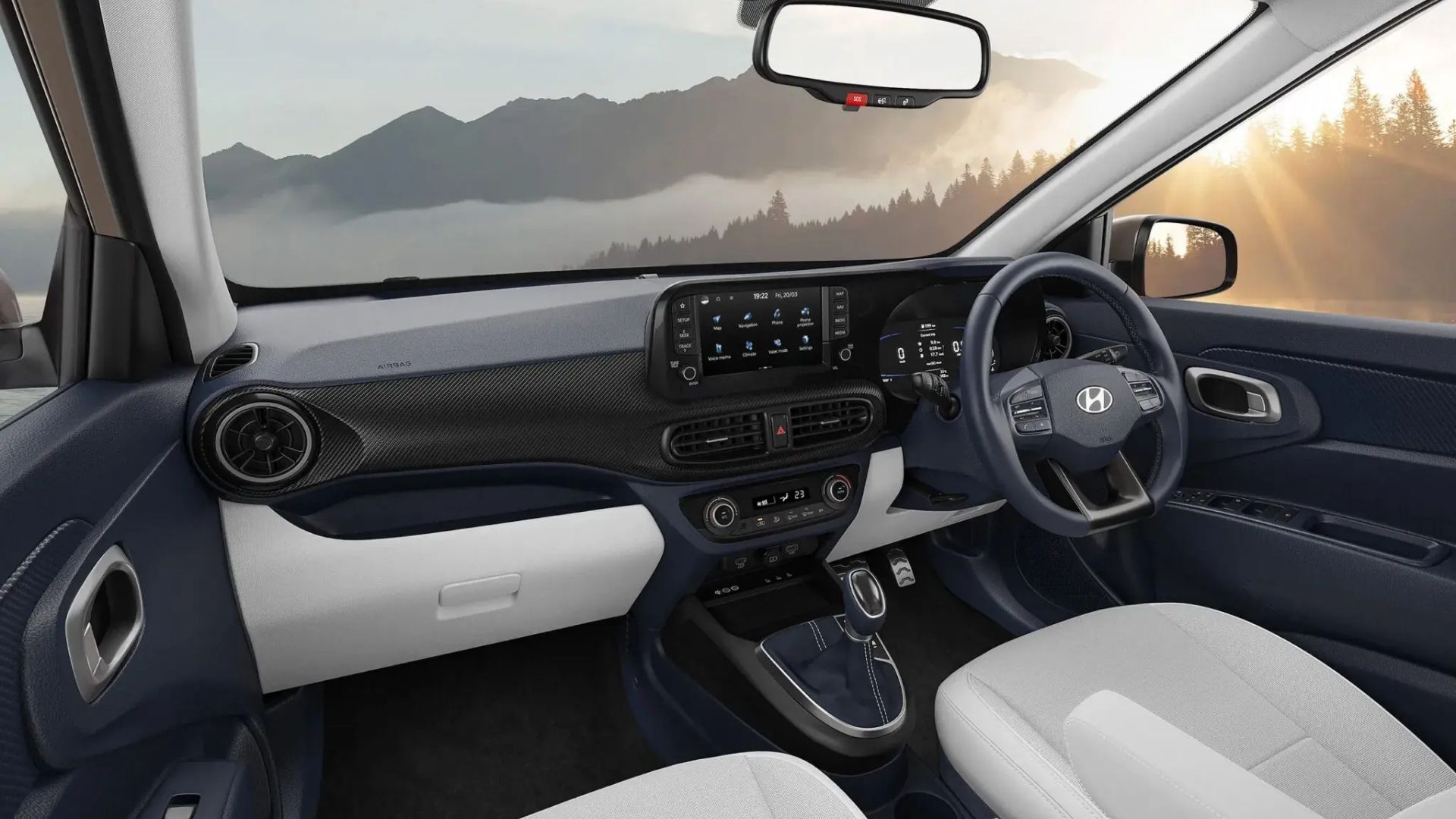
For R$ 32,000, a brand new Hyundai car is a rival to the Kwid with a 1.2 engine producing 82 hp, 6 airbags as standard, multimedia with wireless Android Auto, up to 391 liters in the trunk, and a refreshed look for 2026 in India.
-
He bought a new car in 1983, locked it in the barn in 1988, and no one opened the door for 38 years until the family discovered what was stored inside and realized it looked like something out of a movie.

-
A 250cc motorcycle that can reach 560 km with a 14-liter tank, features disc brakes on both wheels and is among the most well-known in Brazil.

The consulted ads show a clear price ladder.
The 2006 EcoSport appears as the entry-level option, with offers starting from around R$ 29.9 thousand.
The 2009 Edge starts from about R$ 39.9 thousand, while the 2021 Territory starts at R$ 100 thousand.
The 2021 Bronco Sport appears between approximately R$ 139.8 thousand and R$ 150 thousand.
These numbers vary according to condition, mileage, version, and region.
2006 EcoSport: Accessible and durable compact SUV for urban use
Among the four, the 2006 EcoSport remains the most accessible name and also the easiest to contextualize in Ford’s history in Brazil.
The XLS configuration brings a 1.6 flex Zetec Rocam engine, with up to 111 hp and 15.8 kgfm, always linked to a five-speed manual transmission.

It is not an SUV to impress with performance numbers or refinement.
Still, it continues to attract those seeking a higher driving position, theoretically simpler maintenance, and a compact body capable of better handling potholes and uneven streets.
The package includes air conditioning, power steering, power locks, and power windows, common items for the proposal of the time.
The downside is the limited interior space and smaller trunk.
2009 Edge: V6 SUV with all-wheel drive and complete package
Next up is the 2009 Edge, an imported SUV from Mexico that never reached a large volume in Brazil.

In the SEL version, it combines a 3.5 V6 gasoline engine with 269 hp and 34.5 kgfm, six-speed automatic transmission, and all-wheel drive.
Upon launch, the model was sold as a closed package and could receive an electric sunroof.
The level of equipment already included stability control, traction control, ABS brakes, and front, side, and curtain airbags, as well as leather seats.
This is a model with a more road-oriented proposal, but with high consumption and more complex maintenance.
2021 Territory: Technology, comfort, and panoramic roof
Newer and more aligned with what today’s consumer expects, the 2021 Territory occupies another space within the range.

The SUV uses a 1.5 turbo engine with 150 hp and 225 Nm, coupled to a CVT transmission with eight simulated gears.
Its focus is on comfort and embedded technology.
Highlights include panoramic sunroof, 360° camera, automatic parking assistant, digital dashboard, and adaptive cruise control.
The model also offers autonomous emergency braking and blind spot monitoring, expanding the safety package.
2021 Bronco Sport: High performance and off-road capability
At the top of the performance list is the 2021 Bronco Sport, aimed at those seeking off-road capability.

The model features a 2.0 turbo engine with up to 253 hp and 380 Nm, eight-speed automatic transmission, and all-wheel drive with electronic management.
The package also includes terrain selector, torque vectoring, and electronic off-road assistance.
Among the equipment are nine airbags, adaptive cruise control, lane-keeping assist, 180-degree front camera, and multimedia center with mirroring.
The Bronco Sport represents the most complete and technological level among the analyzed models.
The variety among the four SUVs highlights how Ford has left distinct legacies in the segment.
On one side, there is an accessible national compact.
On the other, larger utilities emerge, with V6 engine, all-wheel drive, panoramic roof, and more sophisticated electronic packages.
Each model caters to a specific profile, with clear differences in cost, performance, and level of equipment.
A correct reading of the used market involves understanding these proposals before comparing prices or specifications.








Seja o primeiro a reagir!