





 Portuguese
  English
  Spanish
  3 min of reading
  0 comments


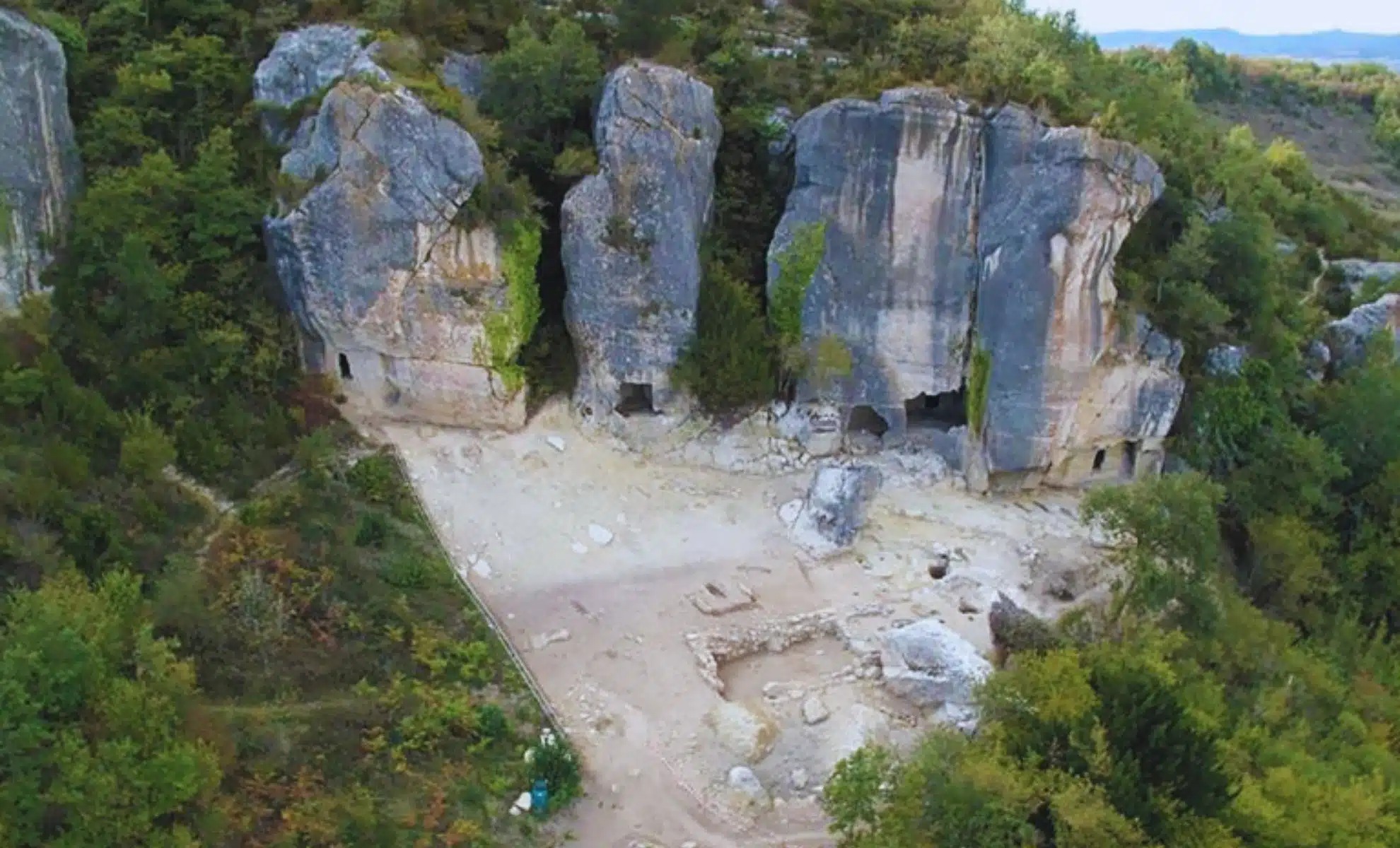
Archaeological Excavations in Las Gobas, Northern Spain, Identified Remains of 33 Individuals Who Lived Underground Between the 7th and 11th Centuries, Revealing Prolonged Isolation, High Consanguinity, Signs of Violence and Traces of Smallpox in a Medieval Community
Archaeologists investigating caves in northern Spain have identified the remains of a medieval community that lived underground for centuries. Excavations at the archaeological site of Las Gobas revealed remains of individuals who lived in isolation between the 7th and 11th centuries.
The discovery includes skeletons marked by disease, signs of consanguinity, and evidence of violence. The analyzed material indicates that the population lived for long periods practically isolated from other communities on the Iberian Peninsula.
Medieval Community Lived for Centuries Underground in Caves in Las Gobas
Las Gobas consists of a set of natural caves carved into rock that served as shelter for a troglodytic society. The site functioned as a living space and burial ground for approximately five centuries.
-
Second Sphinx detected under Giza with 80% reliability: radar reveals giant structure, underground cavity, and network of tunnels aligned with the pyramids that could rewrite the history of Ancient Egypt.

-
In China, the world’s longest road tunnel is 22 km long, cuts through a mountain that has challenged engineers for 70 years, includes a 706 m ventilation tower, and reduces dangerous journeys from hours to just 20 minutes.

-
More than one million North Americans were ordered to close their windows and stay indoors because the air in the southern United States became so toxic that pollution levels reached 18 times above the World Health Organization’s safety limit.

-
China has accumulated up to 1.4 billion barrels of oil in strategic reserves, invested 25 years in renewable energy, and purchased 80% of cheap Iranian oil: how Beijing has prepared for decades for the crisis that is now shaking the world.


Researchers began exploring the archaeological site recently, revealing traces of the daily life of a human group that permanently settled underground. The community’s geographical and social isolation profoundly marked its population structure.
Studies indicate that the inhabitants of Las Gobas lived away from the main routes and urban centers of the time. This isolation contributed to the formation of a population with low genetic diversity and limited interaction with external groups.
Study Identifies 33 Individuals and Strong Presence of Consanguinity
Excavations at the archaeological site identified the remains of 33 individuals. Genetic analysis showed that about 63% of the samples showed signs of consanguinity, indicating marriages between close relatives over several generations.
According to researcher Ricardo Rodríguez Varela, a specialist in paleogenetics and molecular archaeology, the results indicate that the community remained relatively isolated for at least five centuries. This isolation may have contributed to the reduction of genetic diversity.
The study also found relatively low levels of North African and Middle Eastern ancestry compared to other medieval individuals from the Iberian Peninsula. After the Islamic conquest of the region, there was no significant increase in these ancestries among the inhabitants underground.
Evidence of Violence Reveals Conflicts Within the Underground Society
In addition to genetic analyses, archaeologists found marks of trauma on some skeletons. Among the identified traces are fractures and penetrating injuries that were likely caused by sword blows.
These signs indicate that internal conflicts may have occurred within the community living underground. The presence of violent traumas suggests episodes of confrontations or disputes among the group’s own members.
The analysis of the skulls recovered at the archaeological site also revealed clear evidence of violence. Researchers recorded bone damage consistent with direct attacks, reinforcing the hypothesis of recurring conflicts within the subterranean society.
Ancient DNA Identifies Presence of Smallpox Among the Underground Inhabitants
Archaeogenetic studies also detected signs of the presence of smallpox among the individuals buried in Las Gobas. The disease was one of the deadliest ailments recorded in medieval Europe.
According to researchers, the population was likely exposed to smallpox through the consumption of contaminated pork. Pigs were an important food source for the inhabitants living underground.
Researcher Anders Götherström, the principal author of the study, stated that the data suggests the disease reached the site around the 10th century. The spread of smallpox may have occurred due to dissemination in Europe, rather than through previously considered Islamic routes.
Abandonment of Las Gobas Occurred at the End of the 11th Century
After centuries of occupation, the community living underground abandoned Las Gobas at the end of the 11th century. The exact reasons for this abandonment are still unknown to researchers.
Archaeologists believe that the decline of the society may have been caused by a combination of factors. Among the hypotheses are resource scarcity, disease outbreaks, and possible external pressures related to political changes or invasions.
When the site was no longer inhabited, the caves began to function as a necropolis. Many bodies were buried within the caves, leaving records that allowed for the reconstruction of part of the history of this isolated medieval society.







-

-

-

-

-

-

9 pessoas reagiram a isso.