





 Portuguese
  English
  Spanish
  5 min of reading
  9 comments


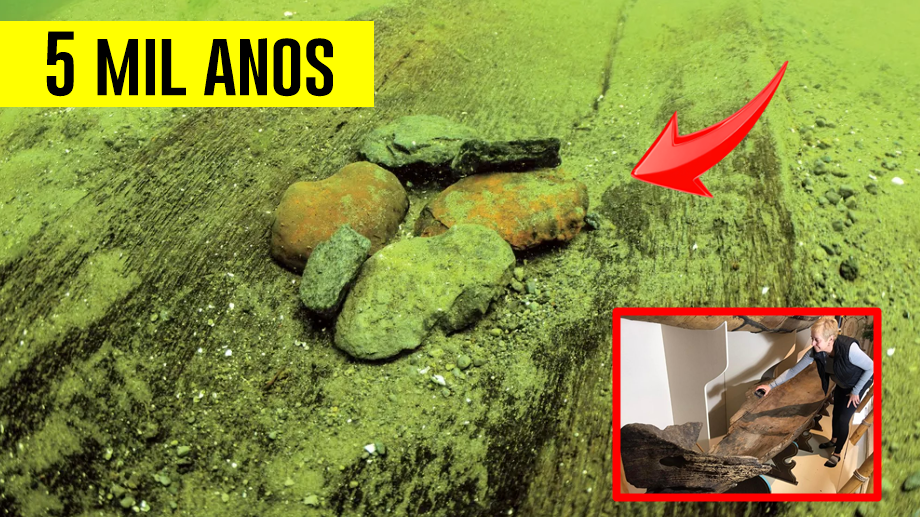


Archeologists Are Discovering Dugout Canoes in the Midwest of the US, Dating Back Thousands of Years, Revealing a Historical Connection to the Era of the Great Egyptian Pyramids.
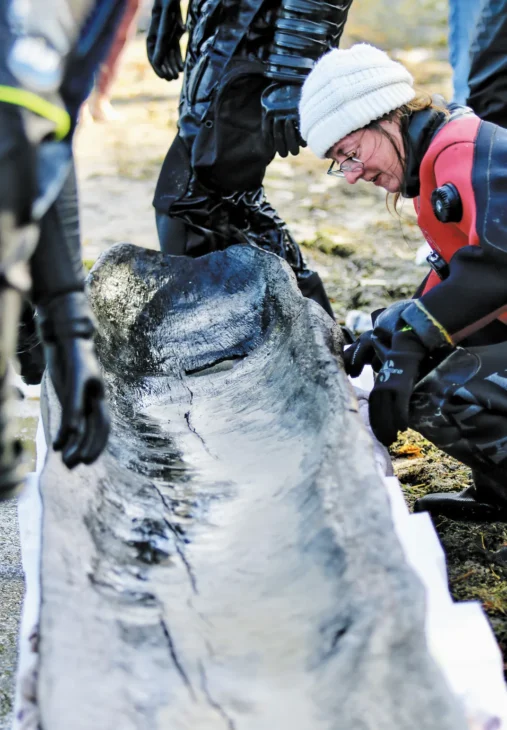
Tamara Thomsen was approximately 7 meters deep in Mendota Lake, Wisconsin, United States, when she spotted the tip of a canoe in decomposition, fascinating American archeologists. The strange object, carved from white oak, was over 1,200 years old.
This discovery, made on an ordinary diving day in 2021, opened doors to an archaeological treasure that would change how we understand the indigenous past in the United States.
The maritime archeologist was not in search of canoes. Her work typically involves shipwrecks in the Great Lakes, such as 19th-century freighters.
-
If Ormuz closes, the world freezes: the 1,200 km Saudi Petroline transports oil from the Gulf to the Red Sea, operates near 7 million barrels/day, and becomes a geopolitical weapon in the crisis with the US.

-
Scientists restore seagrass meadows in the open sea.

-
Scientists find about 1 million giant live eggs hatching in an active underwater volcano, discover a natural furnace on the ocean floor, and reveal one of the most unlikely nurseries ever seen in the ocean.
-
Scientists launched a bait camera to the bottom of the Pacific Ocean and saw something that no one expected.


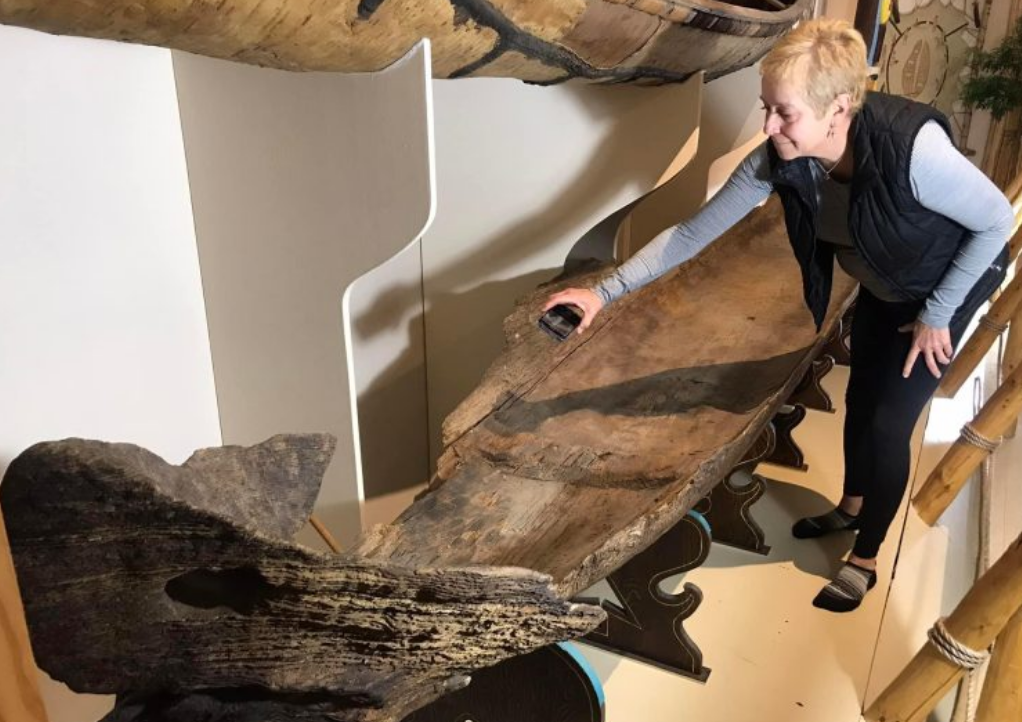
But her knowledge about dugout canoes — one of the oldest types of vessels in the world — was crucial for identifying the find.
This experience was gained in 2018 when she partnered with Sissel Schroeder, an archeologist from the University of Wisconsin-Madison, in a project to catalog existing dugout canoes in the state.
Initially, researchers believed there were only 11 in local collections, but after a year of research, that number rose to 34.
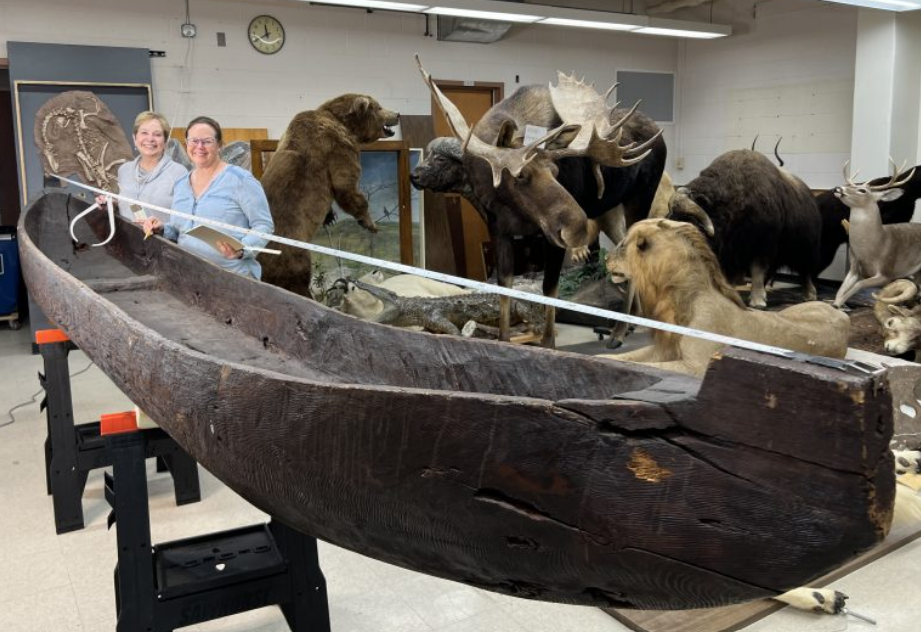
Thomsen’s find led to the creation of the Wisconsin Dugout Canoe Survey Project, which has documented 79 canoes to date, including two of the oldest in eastern North America, dated to 4,000 and 5,000 years ago.
This catalog is more than an archaeological record; it reveals travel habits, trade, and environmental adaptation of indigenous communities.
Archeologists Reaffirm The Importance of Dejope
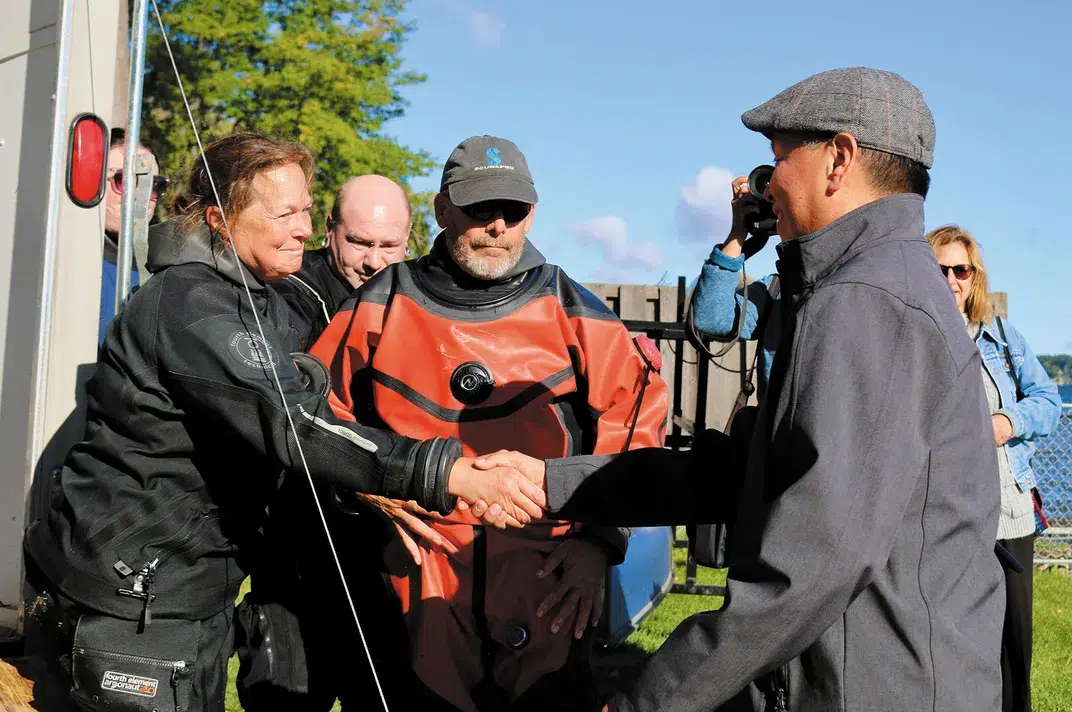
Dean Witter / Wisconsin Historical Society
The Madison area, known as Dejope in the Ho-Chunk language, was an indigenous metropolis before the arrival of Europeans. According to Bill Quackenbush, tribal historic preservation officer for the Ho-Chunk Nation, Dejope was an interconnected community, far from the misconception of temporary camps.
Carving canoes was a community activity: men worked on logs while the rest of the families gathered to prepare for the next season.
The carving process was complex, which could take months, and was vital for survival. Canoes opened trade networks, allowed deep-water fishing, and facilitated long-distance travel.
This connection to the land and water is evident in the sites of historic discoveries. Just 300 meters from the first canoe found in Mendota Lake, a group of ten canoes was identified along an ancient submerged shoreline.
This region, once part of the savannas of Dejope, offers a window into the movements and changes of indigenous communities over the centuries.
Canoes as Historical Markers


The new approach of treating small urban bodies of water as potential archaeological sites has yielded surprising results.
Amy Rosebrough, an archeologist from the state of Wisconsin, compares the work to initiatives like the mudlarks on the Thames River in London, who seek artifacts from the past along the banks.
In Wisconsin, reports from ordinary citizens have led to significant discoveries, with many canoes in impressive states of preservation. Some still contain paddles, tools, and other associated objects.
The survey has confirmed 79 of 112 reports of sightings in the state, and searches continue.
The majority of canoes remain at their discovery sites, while archeologists record detailed data — measurements, stylistic peculiarities, and visual records — using techniques such as photogrammetry and lidar.
These techniques, along with sample collection for analysis, help to determine the ages and origins of the vessels.
Scientific and Historical Revelations
Dean Witter / Wisconsin Historical Society
Analyses conducted so far indicate an age range between 150 and 5,000 years, with lengths varying from 2 to 11 meters.
Some canoes share timelines with historical events such as the invention of the Phoenician alphabet.
The oldest canoes dated by Thomsen in Mendota Lake are 1,200 and 3,000 years old, while the oldest in the survey is an elm example over 4,500 years old.
In addition to carbon dating, the study uses methods such as strontium isotope analysis and dendrochronology.
These data help not only to determine the ages of the vessels but also to understand the climatic and ecological conditions of the time.
For example, the transition from oak forests to savannas influenced the choice of materials, with the Ho-Chunk opting for elm due to its strength and straightness.
The Role of Technology and Traditional Knowledge
Although folk wisdom suggests that canoes were made of softwoods, about one-third of the analyzed examples are made of hardwoods, such as oak and elm.
This choice reflects the cultural ingenuity and ecological knowledge of indigenous peoples, who adapted their techniques to local conditions and available tools.
Despite differences in materials and eras, canoe design has remained consistent over the millennia. As Quackenbush notes, “When something works, why change it?” This efficient simplicity is a testament to the deep understanding these peoples had of their needs and the environment in which they lived.
Reconnection with the Past
Discoveries in Mendota Lake have provided an opportunity for the Ho-Chunk people of Madison to reconnect with their roots.
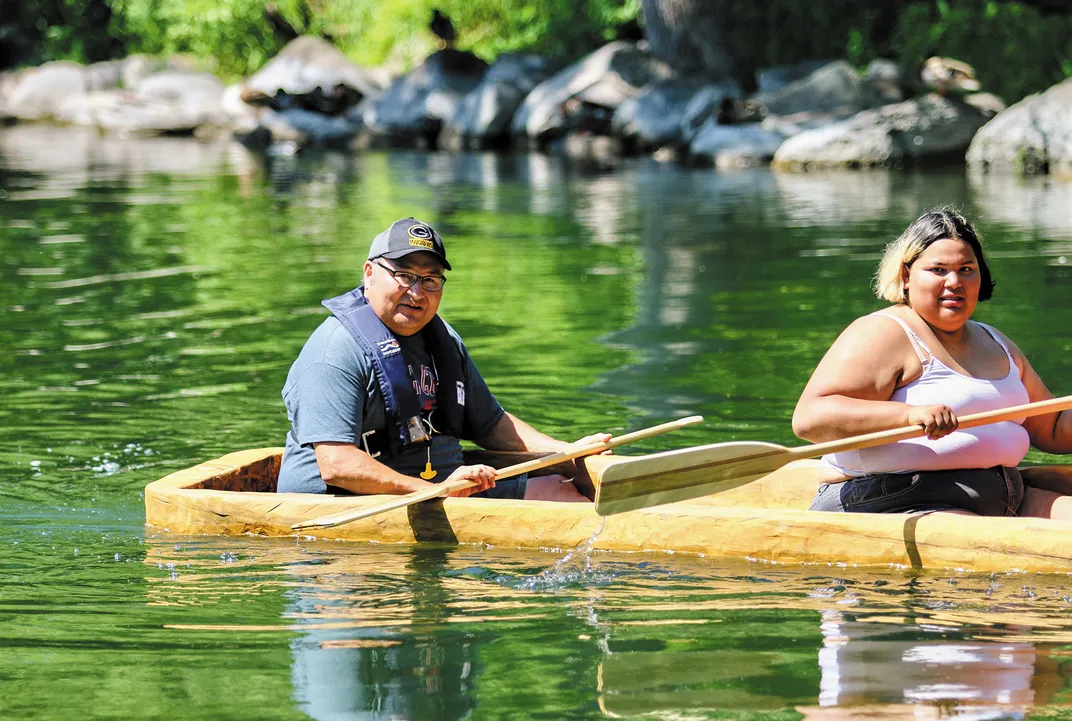
In 2022, tribal members built a canoe using traditional methods and paddled it through the four lakes of the city.
Dean Witter / Wisconsin Historical Society
In 2024, another canoe was carved and taken down the Mississippi River. These initiatives not only celebrate the past but also strengthen the sense of community identity.
Meanwhile, Quackenbush and his team are using technology such as ground penetrating radar to search for more artifacts in the region, including fire pits and submerged canoes.
These collaborative efforts between archeologists, local tribes, and ordinary citizens are helping to preserve and share Wisconsin’s rich history.
The work of Thomsen and Schroeder has inspired other states to start their own canoe surveys.
Moreover, the Society for American Archaeology dedicated a symposium to the importance of these finds. As Rosebrough notes, canoes provide an accessible entry point to the past. They connect people to a story that is still alive in today’s lakes and rivers.
The depths of these waters are not just submerged landscapes, but true vaults of historical treasures, waiting to tell their stories to future generations.







As descobertas de um mundo fascinante de civilização perdida no limbo do tempo só nos fascina. Diante da engenhosidade de nossos antepassados…
Interessante essas informações
Parabéns, muito bom