





 Portuguese
  English
  Spanish
  3 min of reading
  1 comment




Archeologists Reveal Hidden Treasure: Gold Pot with 2,400-Year-Old Coins Discovered, Shedding Light on Political Secrets of the Past
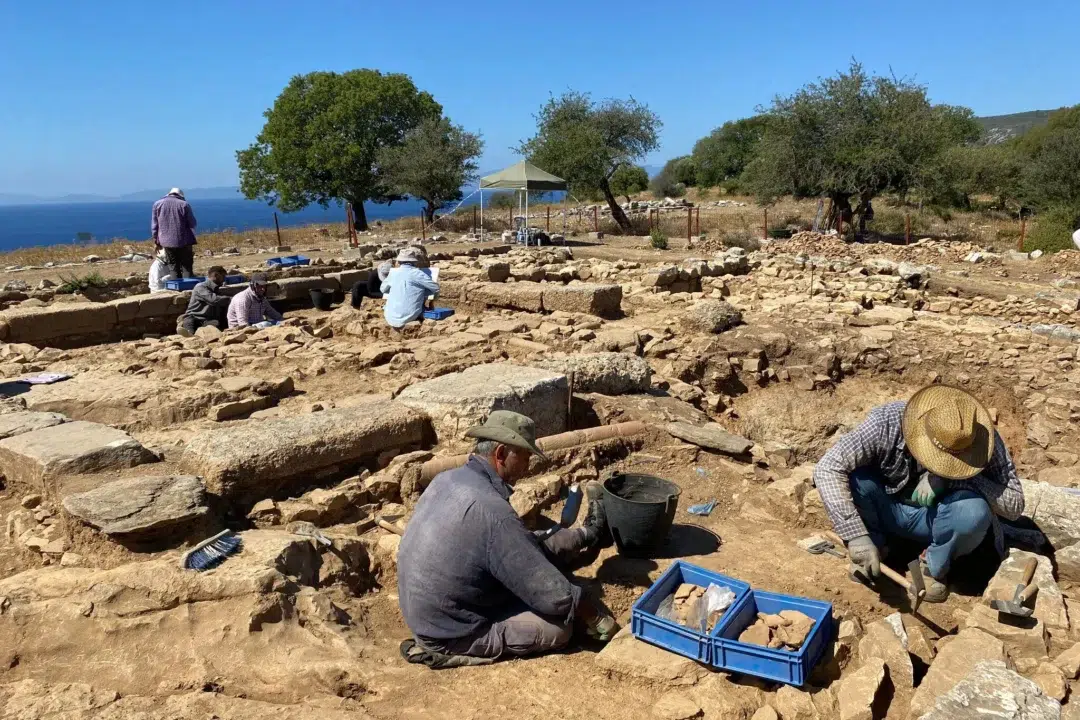
A discovery made by archaeologists from the University of Michigan unearthed a pot of gold coins in the ancient Greek city of Notion, located in what is now the western region of Turkey. The discovery of the gold coins was made during excavations in the courtyard of a house dating back to the 3rd century BC, providing a rare opportunity to gain a better understanding of the past of this region, often marked by conflicts between Greeks and Persians.
Pot of Gold Coins
The discovered treasure consists of Persian darics, gold coins minted in the ancient city of Sardis, located about 100 kilometers northeast of Notion.
These coins, each bearing the image of a kneeling archer, date back to the 5th century BC, making them much older than the house where they were found.
-
The government requests the Federal Revenue Service for a new system to automate the income tax declaration, reducing errors, time, and bureaucracy for millions of Brazilians.

-
Pix in installments, international Pix, and contactless payment without internet: the Central Bank revealed the new features coming to the tool that is already used by almost every adult in Brazil.

-
Mercado Livre has just started selling medications with delivery in up to three hours to your door, and this move could completely change the way Brazilians buy medicines on a daily basis.

-
In Dubai, rising tensions from the war in the Middle East are causing super-rich individuals to leave the Gulf and direct their fortunes to a new financial refuge in Asia.


The team led by Christopher Ratté, an archaeologist at the University of Michigan and director of the Notion Archaeological Survey, highlighted the rarity of finding such a valuable hoard of coins in a controlled excavation, an event that, according to him, is extremely uncommon.
Ratté commented on the significance of the discovery: “No one ever buries a treasure of coins, especially coins of precious metals, without the intention of retrieving it. So, only the gravest misfortune could explain the preservation of such a treasure.”
History
The city of Notion, situated at a strategic point on the western coast of Asia Minor, was frequently the scene of disputes between Greek and Persian forces. During the Peloponnesian War, from 430 to 427 BC, Persian sympathizers, with the support of mercenaries, controlled the city until the Athenian general Paches recaptured it and expelled the Persian allies.
The discovered coins offer valuable clues about these tumultuous times. According to the Greek historian Xenophon, a single daric constituted the monthly salary of a soldier. This suggests that the pot of coins may have belonged to a mercenary soldier who, for some reason, never managed to recover his treasure. Ratté proposes that these conflicts could explain the burial of the coins.
“It’s possible that the treasure was not associated with any of these dramatic events, but simply represented the savings of a veteran mercenary soldier in a time and place where fortune soldiers could earn a lot of money if they were willing to risk their lives for the highest bid,” he explained to the New York Times.
University Celebrates Historical Achievement
Besides their monetary value, the gold coins of Notion hold immeasurable archaeological value.
They will refine the chronology of Achaemenid gold minting, an area of study that has until now lacked detailed contextual information, as looters discovered many of the daric treasures earlier, without proper archaeological record.
Ratté emphasized the importance of contextual information in archaeological discoveries: “An archaeological find without contextual information is like a person suffering from amnesia, a person without memories. It is still interesting and important, but the loss of knowledge is incalculable.”
In the case of this treasure, the precise location where it was found and the available circumstantial evidence provide a unique insight into the period when the coins were buried.
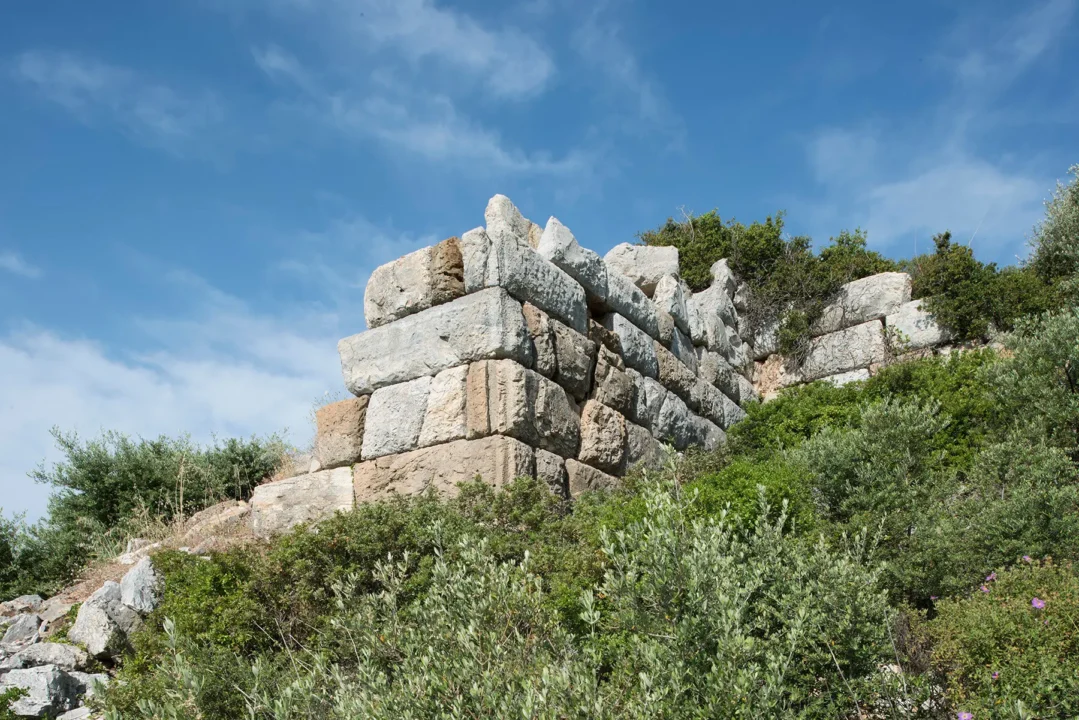
The archaeologists from the University of Michigan are optimistic that this discovery will pave the way for new revelations about Notion and its role in the complex political and military dynamics of the region during ancient times.
Recently, researchers began new excavations in the area, hoping to find more artifacts that could clarify the historical circumstances that led to the burial of the coins.
Meanwhile, experts from the Ephesus Archaeological Museum in Turkey are analyzing the coins to determine more details about their origin and the historical events surrounding their burial.
This ongoing research may not only reveal more about the chronology of Achaemenid gold minting but also provide new perspectives on the lives of mercenary soldiers and the socioeconomic conditions of the time.









Com detector de metais tenho encontrado moedas ouro prata cobre e bronze