





 Portuguese
  English
  Spanish
  3 min of reading
  0 comments


The Discovery of a Travois Reveals Details About the Transportation Methods Employed by the First Inhabitants of North America Thousands of Years Ago
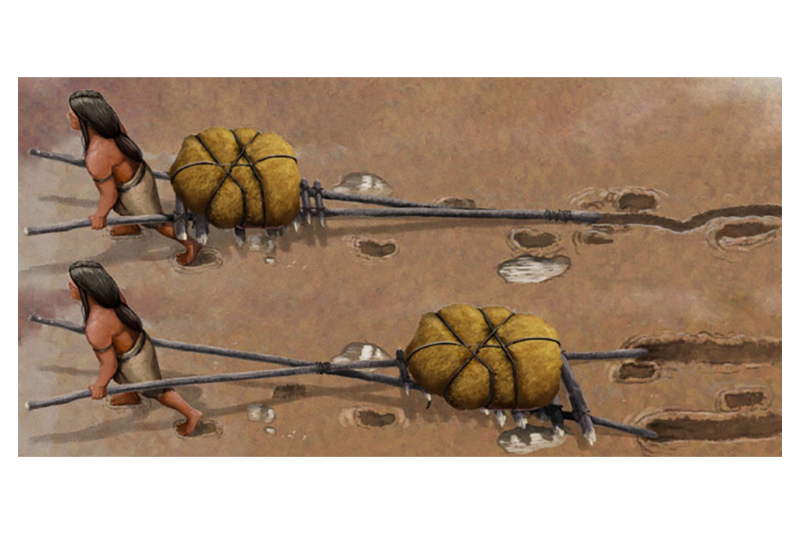
In the sands of White Sands National Park, in New Mexico, researchers uncovered surprising evidence about the first inhabitants of the Americas. Footprints dating back 23,000 years indicate that this population transported heavy loads without the aid of the wheel, using structures made of dragged poles.
The discoveries were made by scientists from Bournemouth University, who analyzed human footprints alongside drag marks. According to the team, these trails suggest the use of a rudimentary transportation method called “travois.”
This type of structure, consisting of two poles joined at one end, was already known to be used by Indigenous peoples much later in history.
-
Hershey admitted that it was replacing real chocolate with palm kernel oil in its most famous candies and now, after a flood of complaints, promised to return to the original recipes with real cocoa.

-
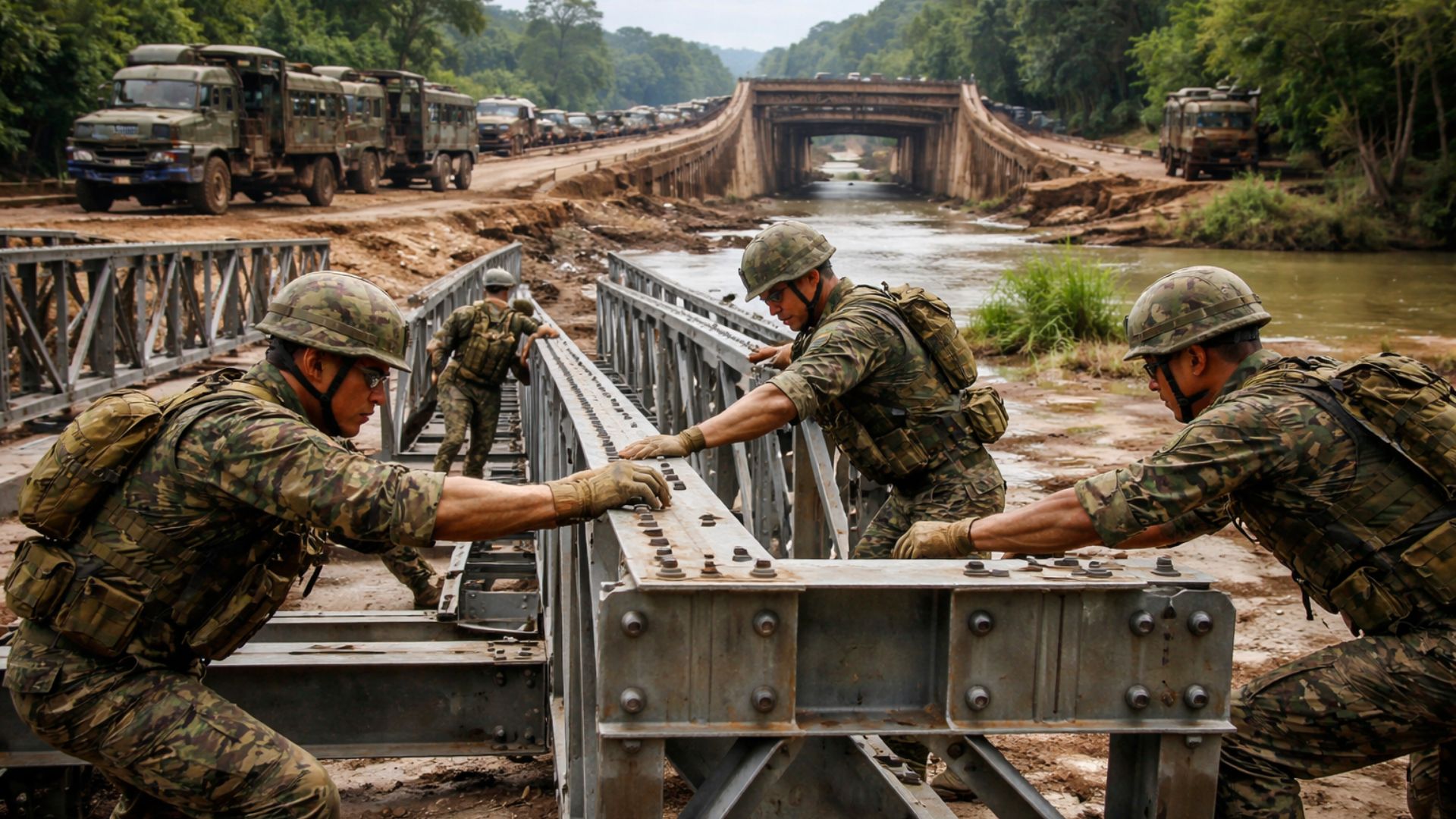
The Brazilian army gets to work and sends a convoy to set up a temporary bridge over an important river after a heavy storm.
-
From ruin to digital culture center, the 1920 mansion on Riachuelo Street is now open and has become a showcase of the revitalization of downtown Curitiba, attracting commerce, tourists, and projects.

-
The valley that looks like another planet: fairy chimneys, churches carved into the rock, and underground cities form the labyrinth of Cappadocia in Göreme, where erosion has created a unique landscape since the 4th century AD.

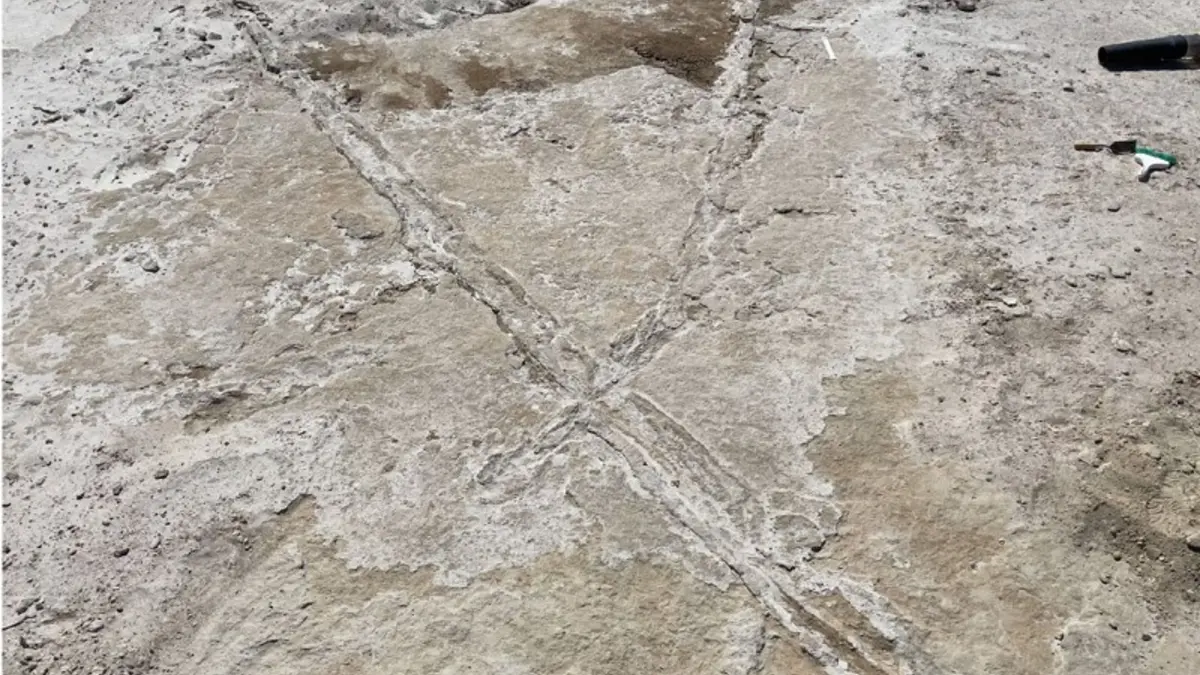
Destroyed Vestiges Indicate Use of Primitive Transport
The researchers identified a series of marks on the ground that resembled tracks left by improvised vehicles. These trails range from 6.5 to 165 feet (approx. 50 m) in length and indicate that bulky loads were moved using the travois.
Professor Matthew Bennett, the research leader, explained that the wood used in these primitive vehicles rotted over the millennia, making it difficult to find direct physical evidence. However, the remaining drag marks not only provide concrete clues about this transportation system.
Human Footprints Accompany the Trails
In addition to the drag marks, the researchers found footprints of adults walking alongside these historical trails where the travois was manually pulled. In some cases, smaller footprints were discovered nearby, indicating that children accompanied the adults during the move.
“Many people will be familiar with pushing a shopping cart in a supermarket, moving from one place to another with children hanging on. This seems to be the ancient equivalent, but without wheels,” Bennett said. The illustration, compared to cargo transport and family movement, was already part of the daily life in these regions.
Tests Confirm the Hypothesis
To validate their findings, the researchers built replicas of the work and tested their use. Using wooden frames similar to those employed by Indigenous peoples of the Great Plains, they dragged these devices across muddy terrain in the UK and along the coast of Maine.
The result was impressive: the marks left by the tests exactly reproduced the traces found in White Sands.
This experimental reconstruction reinforced the theory that these primitive vehicles were used for transporting people, supplies, and even the same people.
An Essential Transport for Survival
The travois was already widely used by Indigenous peoples of the Great Plains at the time of the arrival of European settlers. It allowed them to transport homes, carry large quantities of meat after hunting, and move the elderly and children.
The researchers explain that this new evidence shows that the use of this mode of transport dates back well before contact with Europeans. This suggests that similar strategies were developed independently by various cultures throughout history.
A Look At The First Migrants of the Americas
The discoveries made in White Sands provide valuable information about the first inhabitants of North America. These peoples were pioneers in exploring and occupying the continent, facing enormous challenges to move and survive.
According to the researchers, each new piece of evidence found in the destroyed park helps reconstruct the history of these groups, revealing details about their daily lives, their technological innovations, and their adaptation strategies to the environment.
With information from Interesting Engineering.





-

-

-

-

-

-

87 pessoas reagiram a isso.