





 Portuguese
  English
  Spanish
 3 min of reading
  0 comments


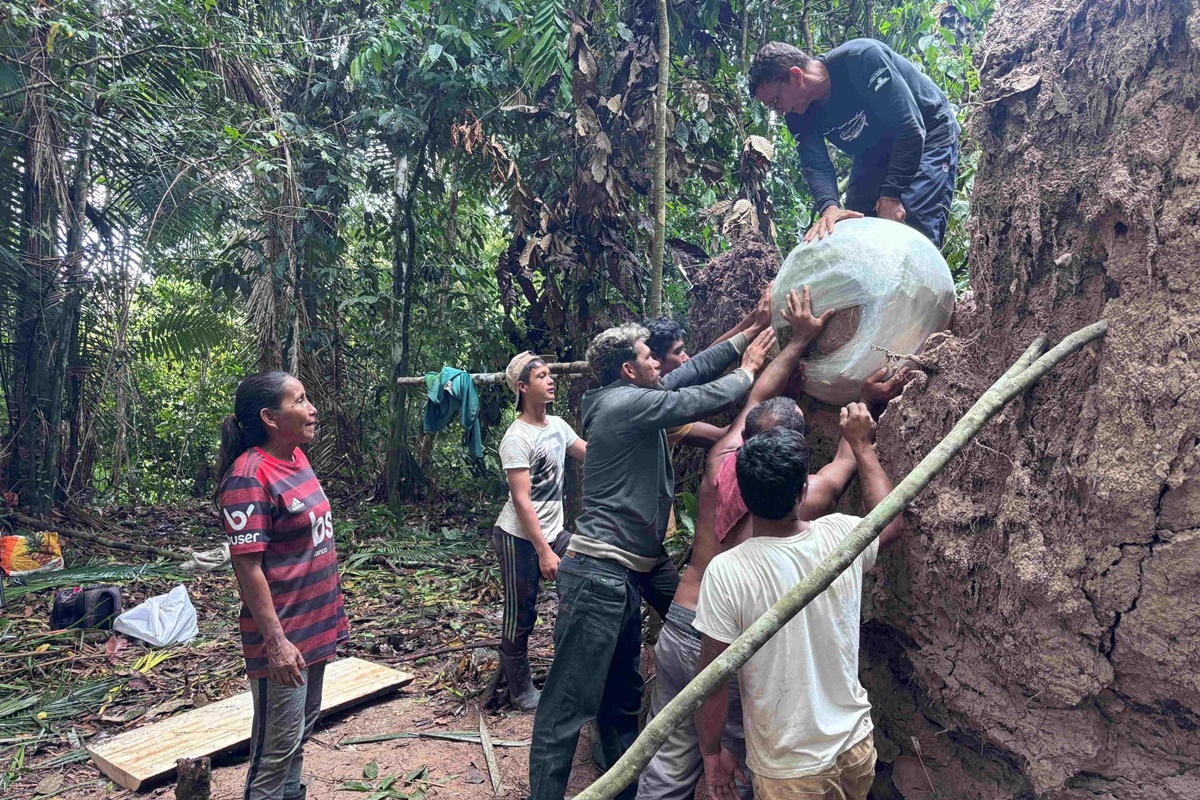
Indigenous Funerary Urns Found Under a Fallen Tree on Ancestral Island Built to Withstand the Floods of the Solimões River
A fallen tree in the municipality of Fonte Boa (AM) revealed one of the most important archaeological finds in recent years in the Amazon region. In early May, the fall of a large tree exposed seven indigenous funerary urns. They were buried under deep roots in a floodplain area known as Lago do Cochila, in the Middle Solimões.
The urns, which measure up to 90 centimeters in diameter, were found at only 40 centimeters deep. Inside them, archaeologists discovered human bones, as well as remains of fish and turtles. The find occurred on an artificial island built by ancestral peoples to withstand the river’s floods.
Find Occurred on Ancestral Island
According to archaeologists from the Mamirauá Institute, the site was an ancient dwelling. The houses were built on platforms raised with earth and ceramics. These artificial islands were made to withstand the frequent floods of the Solimões.
-
While the world looks at oil, the war with Iran is already disrupting helium supply from Qatar, affecting car and iPhone chips, threatening AI expansion, and putting pressure on aluminum packaging at the highest value in four years.

-
Global warming will expose a treasure hidden under the ice of Antarctica and may spark an international dispute over gold and valuable minerals.

-
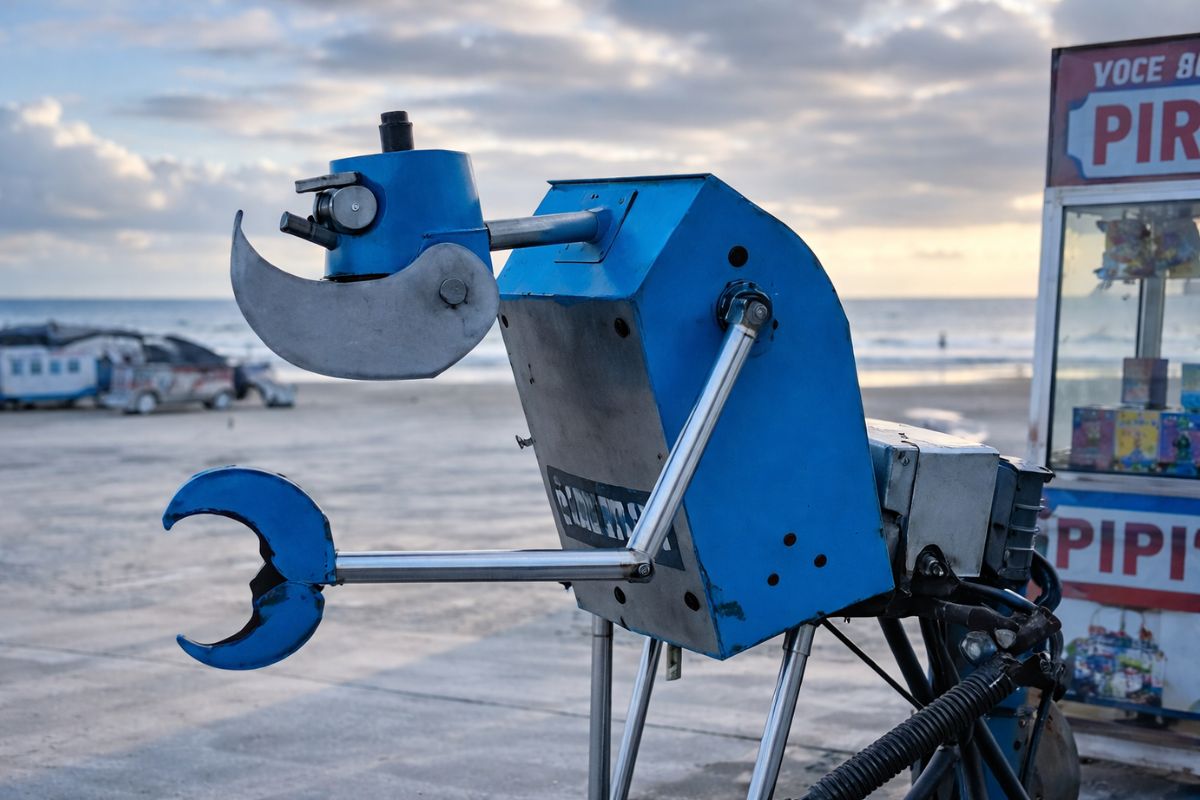
A street vendor from Praia Grande built a robot made of scrap from scooters and washing machines that pulls his popcorn cart on the beach, emits sounds, and interacts with customers, becoming an attraction on the coast of São Paulo.
-
The specifications of the Xiaomi 18 Pro Max have been leaked, and the highlight is a dual 200 MP camera with a new 22-nanometer technology that promises to consume less energy and capture details in shadows and bright areas using LOFIC HDR.


The person responsible for the excavations is archaeologist Geórgea Layla Holanda. She coordinates the work and described the find as one of the most significant in Amazonian archaeology in recent years. The team works alongside the riverside community of São Lázaro do Arumandubinha, which helped locate the site.
Local Resident Raised the Alert
The first to see the urns was pirarucu handler Walfredo Cerqueira. He saw the objects caught in the roots and notified Father Joaquim Silva. The priest, in turn, contacted archaeologist Márcio Amaral from the Mamirauá Institute, who initiated the rescue operation.
The bones found were organized in a manner that indicates funerary practices with food rituals. According to archaeologist Geórgea Layla, the find is more than just ancient objects. “It is a reunion with ancestral ways of life that persist in the present through traditional forest knowledge,” she said.
Unprecedented Ceramics for the Region
The urns are different from anything seen in the Alto Solimões region. They are large, with no apparent ceramic lids. This suggests they were sealed with organic material, which may have decomposed over time.
To excavate the flooded site, the team built a wooden platform and vine structures. Márcio Amaral explained that the artificial islands were made with earth and ceramic fragments brought from other areas. This shows that ancient peoples had knowledge of engineering and land planning.
Tradition Unknown to Science
After excavation, the urns were transported to the headquarters of the Mamirauá Institute in Tefé, a 12-hour boat ride away. There, the fragments are being analyzed. Initial results show greenish clay and red stripes that do not fit into known ceramic traditions, such as the Amazonian Polychrome.
The archaeologists believe the material may indicate a cultural tradition still unknown today. In addition, the discovery reinforces the idea that the floodplains were permanently and organized occupied. The islands allowed for habitation, agriculture, and rituals throughout the year. The team hopes to locate new urns beneath other fallen trees in the same area of Lago do Cochila.
With information from Metrópoles.







Seja o primeiro a reagir!