





 Portuguese
  English
  Spanish
  3 min of reading
  1 comment




Industries Increase Hiring, But Shortage of Qualified Professionals Becomes a Bottleneck in Factories and Major Projects
Industrial maintenance has become one of the most in-demand areas of the Brazilian job market. Factories, plants, refineries, chemical, food, and metallurgical industries increasingly rely on technical teams to keep machines and systems running without downtime.
Even with open positions in different regions, companies report difficulty in hiring. The lack of qualified professionals has turned maintenance into one of the biggest bottlenecks in the industry.
The scenario favors those with technical training but exposes a mismatch between growing demand and labor supply.
-
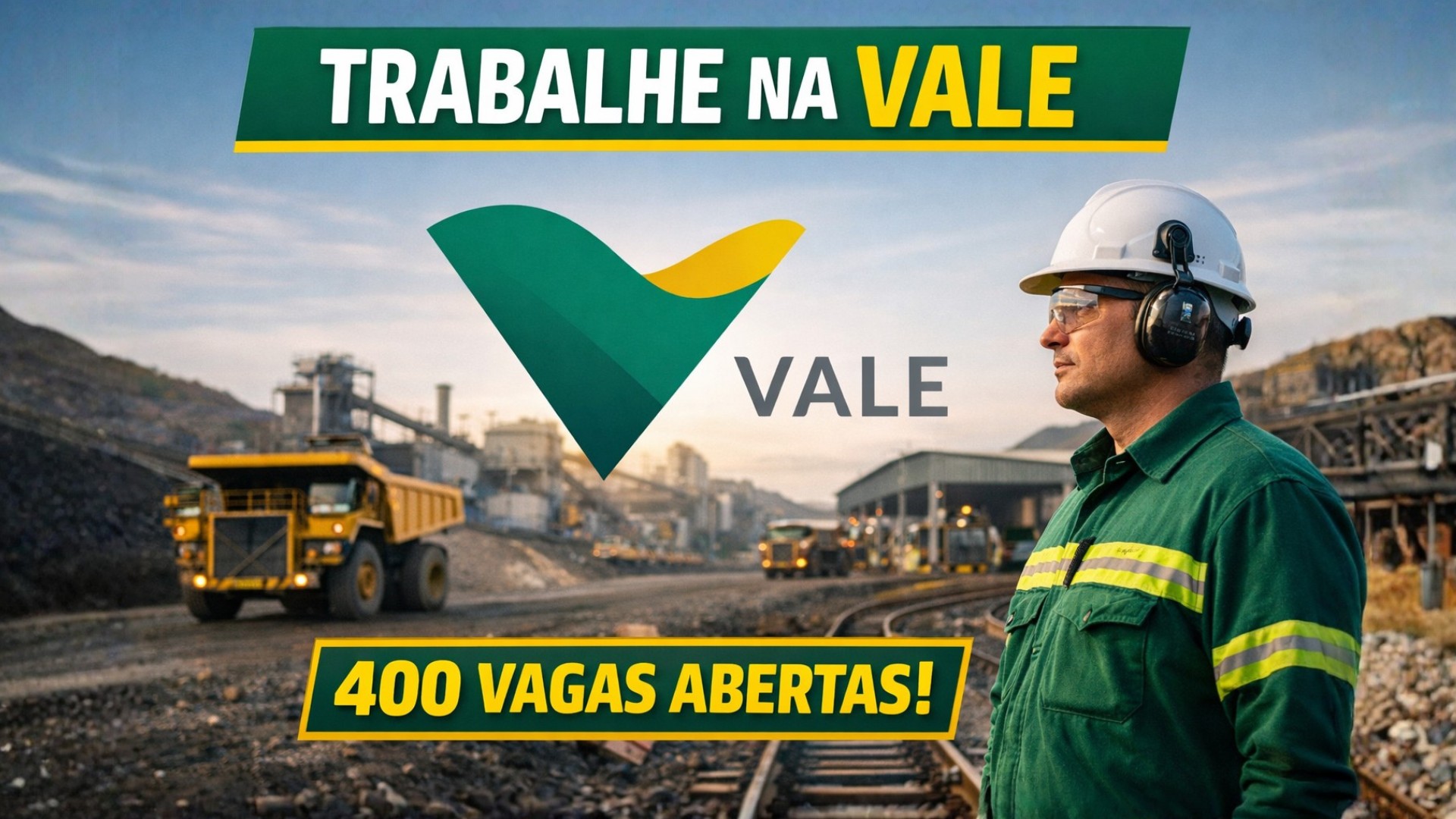
Work at Vale! The company is recruiting individuals with high school, technical, and higher education in areas such as maintenance, operations, and technology, with 400 immediate openings in 6 states, salaries of up to R$ 10,000, and 100% online applications.
-
Australia accelerates the search for foreign workers in 2026 with an official list of in-demand professions that includes drivers, programmers, and nurses, salaries starting from AUD 76,515 per year, and visas that can lead to permanent residency.

-
The Macaé City Hall starts the week with job openings that promise to boost hiring and open doors for qualified professionals and newcomers to the market, with a focus on offshore positions.

-
Future profession with immediate earnings: Specialist reveals how a solar energy technician earns R$ 8,000 per month by taking advantage of the explosion in demand across the entire country.


What Drove the Increase in Hiring
The resumption of industrial investments, modernization of plants, and the need to reduce operational failures have increased the demand for preventive and corrective maintenance.
At the same time, part of the experienced workforce has retired or migrated to other sectors, reducing the number of available professionals.
With more complex and automated equipment, companies have begun to require more specific technical qualifications.
The 10 Most Hired Positions in Industrial Maintenance
The highest volume of hires is concentrated in technical roles directly linked to the operation of industrial plants.
The mechanical maintenance technician leads the demand, working on adjustments, repairs, and prevention of failures in machines and equipment. Following closely is the electrical maintenance technician, responsible for motors, panels, controls, and energized systems.
The electromechanical technician combines mechanical and electrical knowledge and has become a key player in industrial environments. The instrumentation technician is essential for sensors, valves, measurements, and process control.
With technological advancements, the industrial automation technician has gained importance, managing automated systems, PLCs, and industrial networks. The industrial machinery mechanic remains a strategic function, directly involved in the production line.
Also among the most hired are the industrial welder, the industrial refrigeration technician, highly sought after in food and chemical plants, the maintenance planner, who organizes preventive routines and technical shutdowns, and the maintenance inspector, focused on reliability and operational safety.
These ten roles account for the majority of open positions in the sector.
Why There is a Shortage of Qualified Labor
The main reason is insufficient technical training. Many candidates lack specific courses or do not keep up with the technological evolution of industries.
Another factor is the low interest in technical careers among young people, who often do not recognize the employment potential and growth opportunities in the field.
Additionally, constant updating has become mandatory, which deters professionals who do not invest in continuous training.
The Impact of Scarcity on the Industrial Sector
For companies, the lack of professionals leads to delays, increased costs, and a higher risk of unexpected shutdowns.
For qualified workers, the scenario is positive. There are more opportunities, greater bargaining power, and the possibility of accelerated growth.
This makes industrial maintenance a strategic area for those seeking stability and employability.
The Role of Technical Training and Professional Qualification
Technical and qualification courses have become essential to meet the sector’s demand. Practical training, aligned with the industry’s needs, makes a difference in the hiring process.
Those who invest in continuous training significantly increase their chances of entering and staying in the job market.
What May Happen From Now On
The trend is to maintain high demand for technical professionals, accompanying new industrial investments and the pursuit of operational efficiency.
Without progress in workforce training, the shortage is likely to continue, creating more opportunities for newcomers in the field.
The central point is clear: industrial maintenance concentrates job openings, but requires qualification, and this imbalance defines the current market.
Those seeking opportunities in industrial maintenance can keep track of open positions on job platforms, click here to see available offers.










Que somar com a empresa