





 Portuguese
  English
  Spanish
  4 min of reading
  0 comments


World Economic Forum Report Highlights Innovations in Energy, Health, Mobility, and Combatting Misinformation, With Potential to Transform Daily Life Within Five Years. The Document Was Launched at the 16th Annual Meeting of the New Champions.
The World Economic Forum released on June 24, 2025, the list of the 10 Emerging Technologies of 2025, an overview of innovations with potential for direct impact on daily life within five years.
The report, presented during the 16th Annual Meeting of the New Champions, the well-known “Summer Davos,” highlights solutions that combine feasible development, applicability, and social benefits, focusing on the shift from laboratory to real-world use.
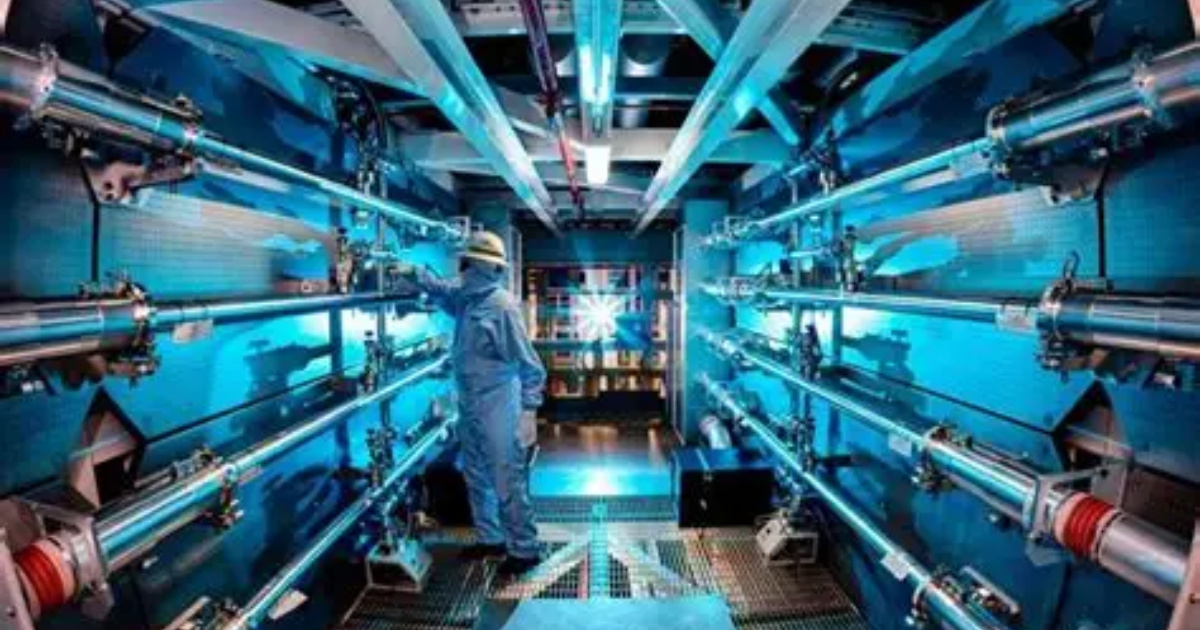
How the Selection Was Made and Why It Matters
Developed in collaboration with the scientific publisher Frontiers, the document compiles nominations from experts and a structured prospective assessment.
-
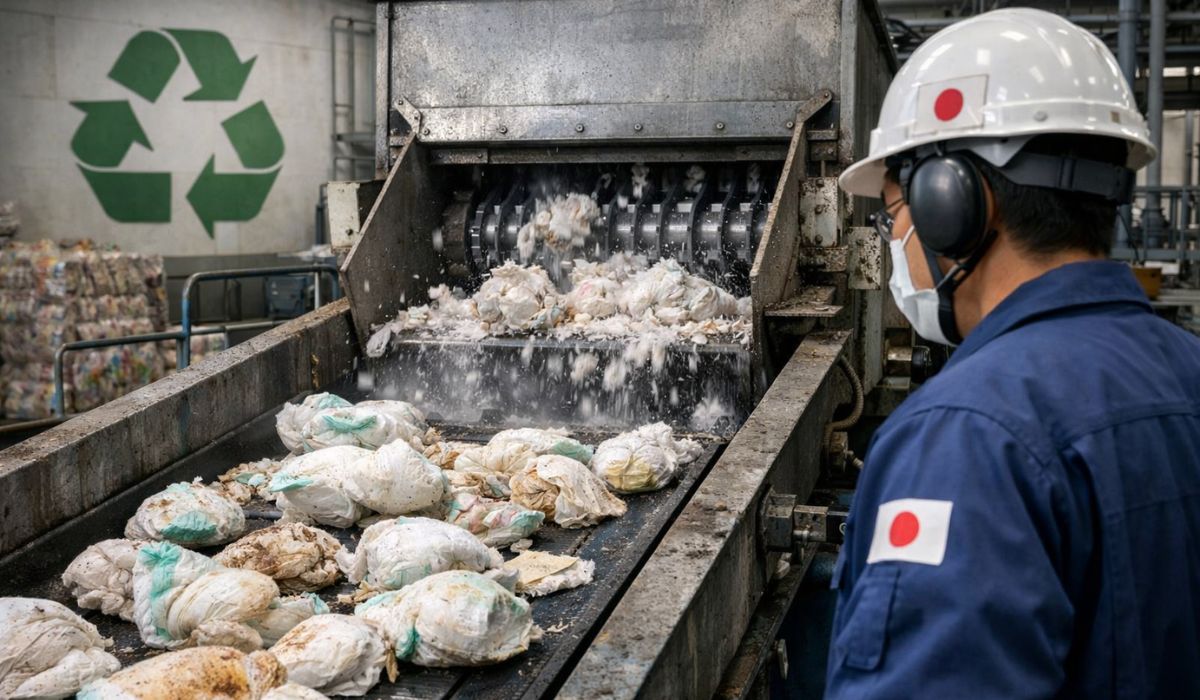
Japan is transforming dirty diapers from babies and the elderly into an ambitious and surprising project that could forever change the way the world deals with one of the most difficult types of waste to dispose of.
-
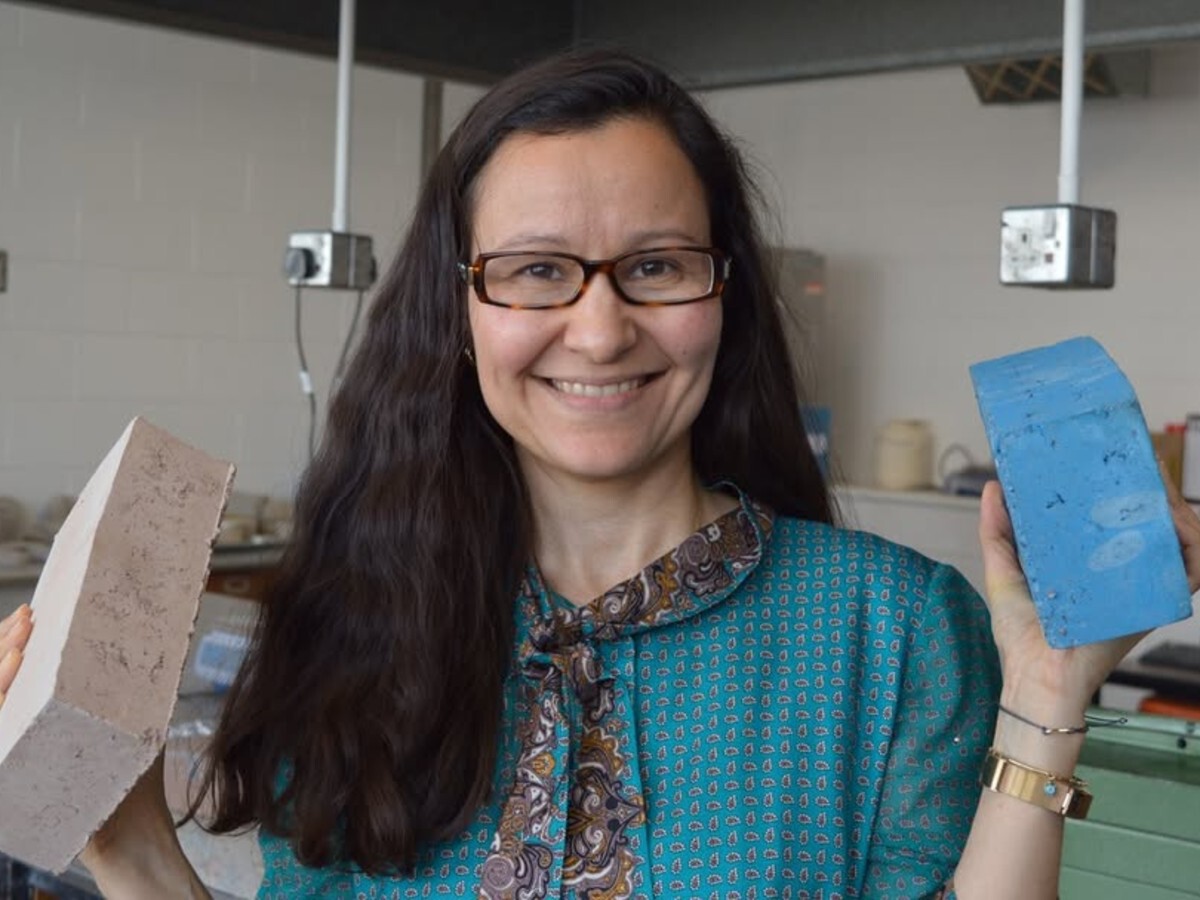
Goodbye to waste: a Brazilian created a revolutionary brick that uses construction debris, has already entered the markets of the United Kingdom and the USA, and promises to shake up the global construction industry.
-
China has created a mass-produced hypersonic missile that costs the same as a Tesla, and this is changing everything in modern warfare because the United States cannot defend itself without spending millions.

-
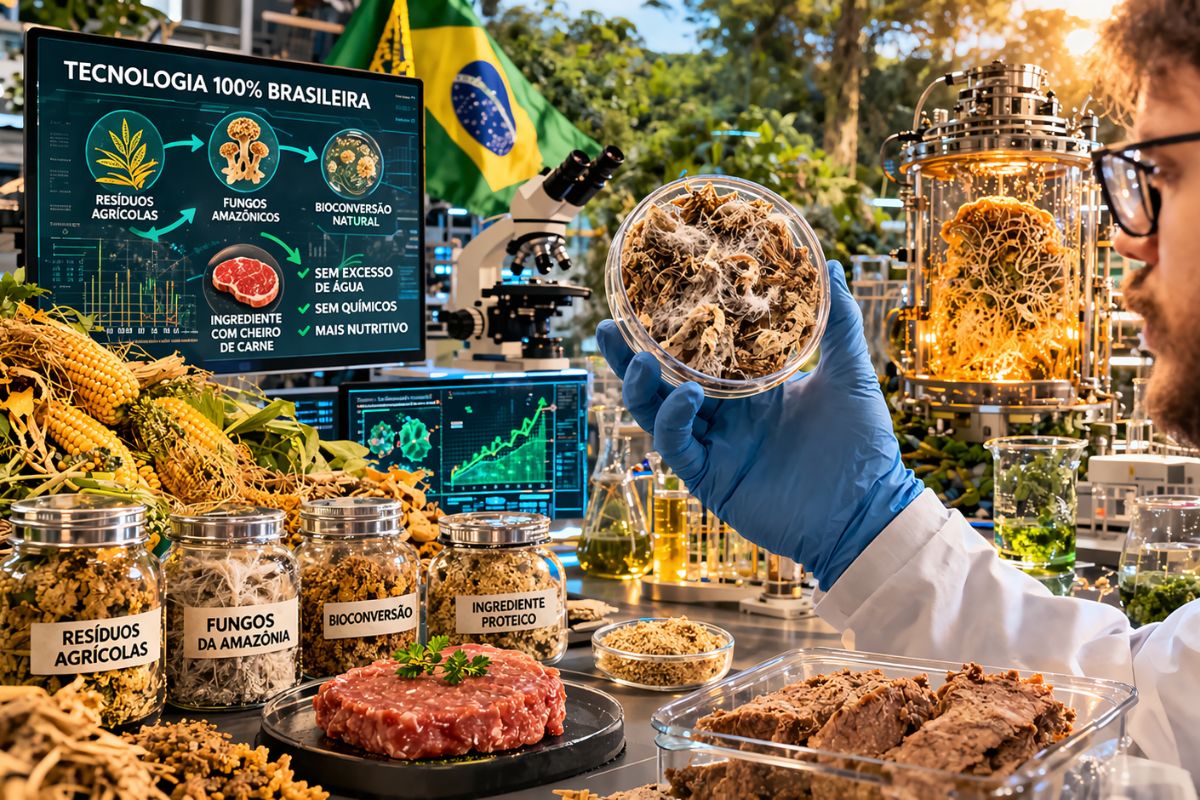
100% Brazilian technology transforms agricultural waste into a meat-scented ingredient using fungi from the Amazon rainforest. The process does not use excessive water or chemicals, and it also increases the nutritional value of the final product.

In the preface, the authors — Frederick Fenter, editor-in-chief of Frontiers, and Jeremy Jurgens, managing director of the WEF — state that the goal is to guide public and private decisions by identifying technologies at the tipping point between scientific advancement and practical application.
Technological Convergence in Combatting Misinformation
In a digital environment marked by deepfakes, the report includes watermarks for AI-generated content.
The technique embeds invisible signals in texts, images, audios, and videos to verify authenticity and origin.
Adoption is expected to grow, but challenges remain, such as removal attempts, lack of standardization, and the risk of mislabeling.
Clean Energy and Decarbonized Agriculture
Green nitrogen fixation emerges as an alternative to reduce the carbon footprint of ammonia, a critical input for fertilizers.
Currently, the traditional route accounts for about 1% to 2% of global energy consumption, along with a significant portion of emissions.
Therefore, methods using renewable electricity or engineered microorganisms gain traction.
Another bet is osmotic energy, which generates electricity from the salinity difference between fresh and saltwater through advanced membranes.
Pilot projects are being renewed, and the technology can support electrical grids with stable supply, as well as applications in desalination and resource recovery.
The chapter on advanced nuclear technologies points to the maturation of projects like small modular reactors (SMRs) and new cooling solutions.
Fission leads implementation in the short term, while nuclear fusion remains a long-term goal for a carbon-free energy matrix.
Electric Mobility and Smart Materials
Structural batteries — composites capable of storing energy while supporting load at the same time — promise to reduce mass and increase efficiency in vehicles and aircraft.
Instead of carrying a “separate” battery from the structure, the chassis or body material itself integrates the storage function.
This can enhance range and optimize costs when performance and safety requirements are met.
Future Health: Living Treatments, Sensors, and New Indications
The so-called engineering of “living therapeutics” proposes to transform benign microorganisms into small factories of drugs within the body.
The perspective is to provide targeted and continuous release of medications, with lower costs and fewer side effects.
The GLP-1 drugs, originally developed for diabetes and obesity, show potential utility in neurodegenerative diseases such as Alzheimer’s and Parkinson’s.
The neuroprotective action observed in initial studies indicates potential, but further trials and regulatory validation are still needed.
At the basis of continuous monitoring, autonomous biochemical detection combines self-powered and connected sensors that monitor, without human intervention, health markers and environmental quality.
Advances in bioengineering and nanotechnology enable applications such as real-time glucose monitoring, as well as pollution control and food safety.
Nanoenzymes: Stability and Cost in Focus
Nanoenzymes are synthetic materials at the nanoscale that mimic the function of natural enzymes, but with greater stability, simpler production, and lower cost.
They gain ground in biomedicine — from targeting oncological drugs to combating oxidative stress linked to neurodegenerative conditions — and in environmental and food safety fronts.
The WEF cites a projection of US$ 57.95 billion by 2034, signaling a consolidating market, although still subject to regulatory milestones and clinical validation.
Connected Cities with Collaborative Sensors
Collaborative detection expands the view of urban systems by integrating common sensors — from homes, cars, and infrastructure — into networks coordinated by AI.
From this mesh, it becomes possible to adjust traffic lights to reduce congestion, anticipate climatic events with environmental data, and support public safety decisions.
However, feasibility depends on open standards, data protection, and multimodal algorithms capable of merging heterogeneous signals.
The Three to Five Year Horizon
The report reinforces a trend of convergence between AI, biology, and new materials.
The strategic reading is that, in the next three to five years, progress will depend on both science and ecosystem factors: regulation, funding, production chains, and training.
By highlighting areas with initial traction — from ammonia decarbonization to media authenticity tracking — the list maps where policies and investments can accelerate tangible social benefits.
In a landscape of multiple bets, which of these technologies do you consider closest to generating real impact in Brazil in the next five years?







Seja o primeiro a reagir!