





 Portuguese
  English
  Spanish
  4 min of reading
  0 comments


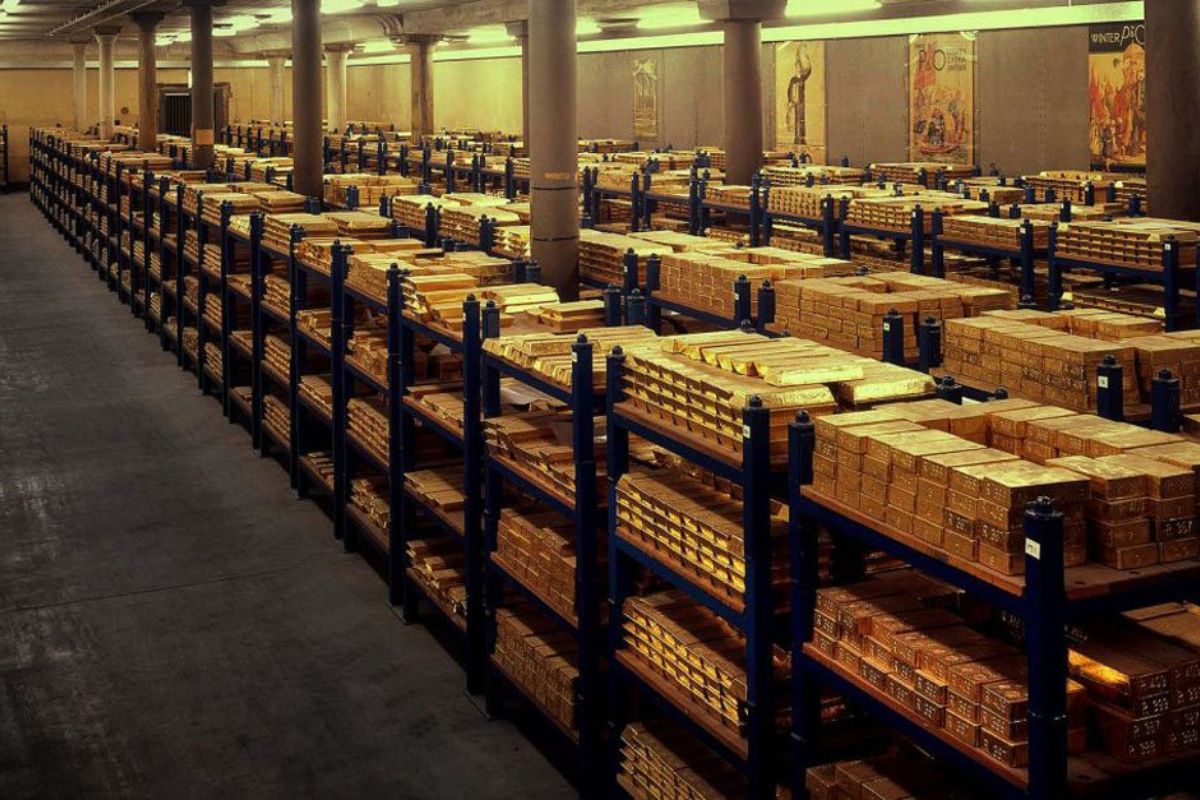
Stored In A Fort With 20-Ton Doors And Protected By An Army, American Gold Is A Symbol Of Power, But Its Lack Of Transparency Sparks Intense Political Debate In 2025.
In the heart of Kentucky, USA, stands a fortress that has become synonymous with maximum security: the United States Bullion Depository, more commonly known as Fort Knox. There, the U.S. government guards one of the largest treasures on the planet: over 4,580 tons of gold, an asset whose market value in 2025 exceeds US$ 497 billion.
Established in the 1930s to protect the nation’s wealth, Fort Knox today is more than a vault; it is a powerful symbol of the stability of the dollar. However, it is this very aura of secrecy that, for over 70 years, has fueled conspiracy theories and intense political debate about what really lies behind its impenetrable doors.
Why Fort Knox Was Built In 1936 In The Heart Of America?
The creation of Fort Knox was a direct response to the Great Depression and the geopolitical tensions of the 1930s. After the U.S. government prohibited private ownership of gold and centralized the reserves, the country needed not only a vault but also a symbol of stability to calm a panicking nation.
-
Spain surprises the world by erecting 62 artificial dunes, mixing sand with natural remains of posidonia, and causing the structure to lose only 1.4% of its volume in 1 year.

-
With 16 Bulava missiles, improvements in acoustic stealth, and a design focused on silent patrols, Russia’s nuclear submarine was born to ensure Moscow’s invisible retaliation and has become one of the pillars of its maritime strength.

-
‘Populous’ city in Rio among the worst in Brazil in national ranking and exposes silent development crisis.

-
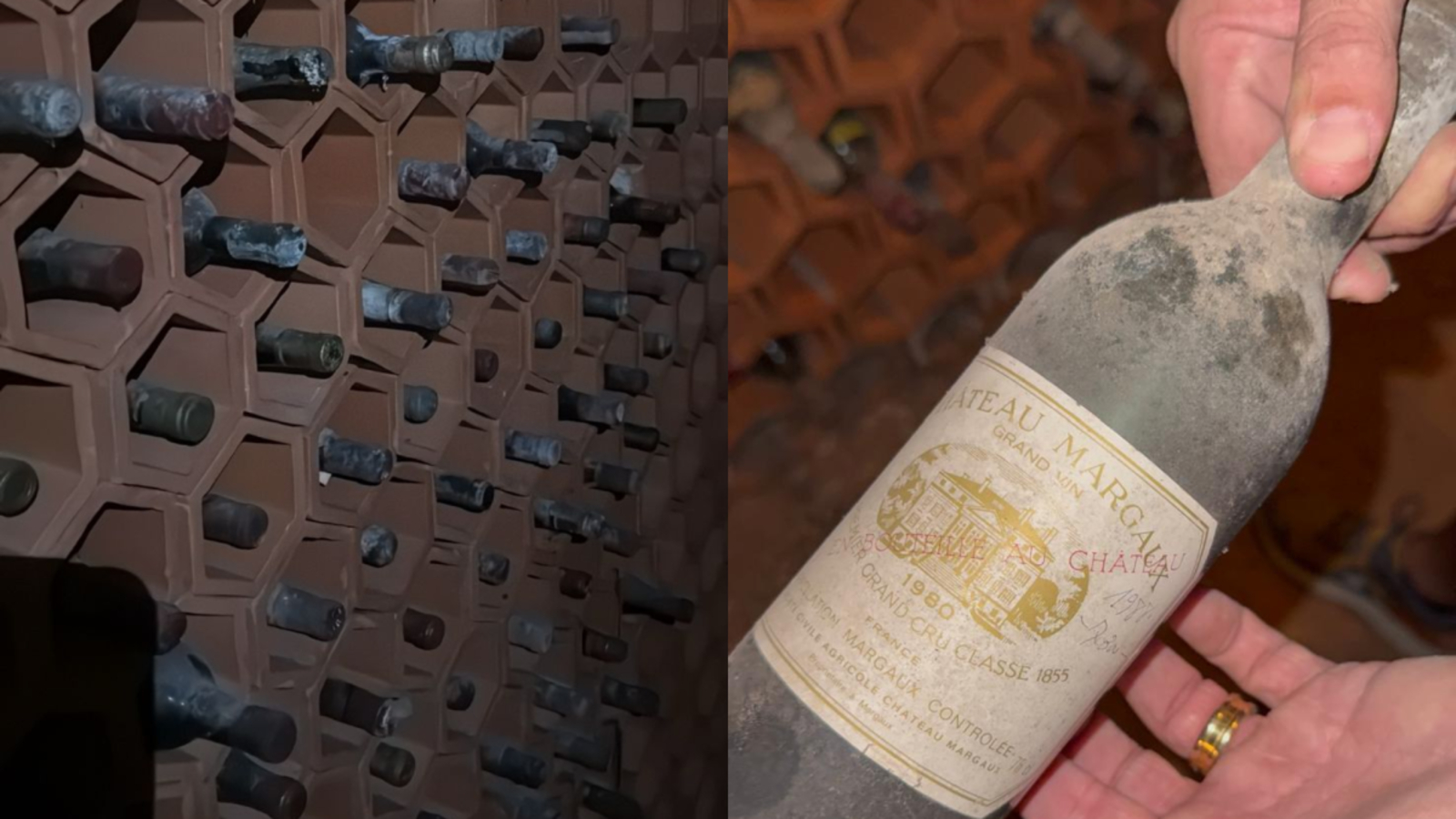
Couple buys house in the South Zone of São Paulo, opens a hidden door in the garage, and finds a secret wine cellar with dozens of old wines forgotten since the 1970s.

The reserves, which were previously located in coastal cities vulnerable to attacks, were moved inland. Fort Knox, in Kentucky, was chosen for its strategic location, protected by mountains and a U.S. Army base. The construction, an immense vault of granite and steel, was completed in December 1936, and the first shipments of gold arrived in 1937, during a large-scale national security operation, using armored trains and military protection.
The 20-Ton Door And Army Protection: The Secrets Of Legendary Security
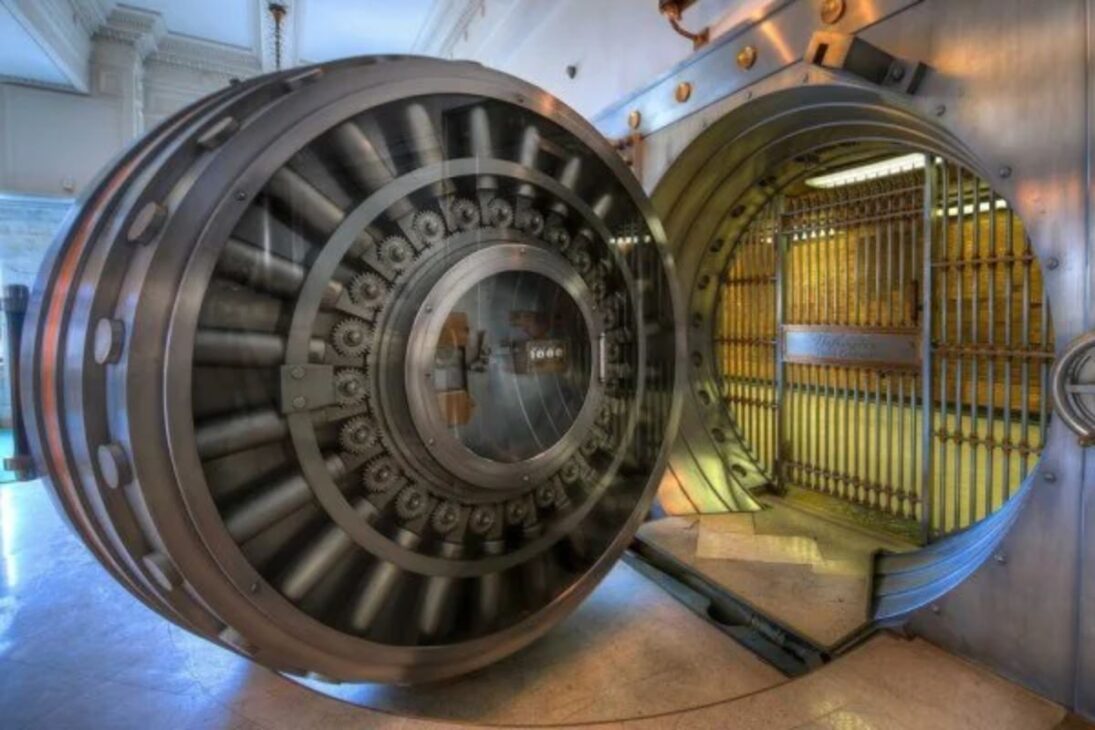
The fame of “as secure as Fort Knox” comes from its multiple layers of defense. The building is a fortress built with 16,000 cubic feet of granite and 750 tons of steel.
The Vault Door: is the most famous feature. Manufactured by the renowned Mosler Safe Company, the main door is 53 cm thick and weighs 20 tons. No one person knows the combination to open it.
United States Mint Police: the immediate perimeter of the fort is guarded by an elite federal police force, the United States Mint Police.
U.S. Army: the final layer of security is the military base itself at Fort Knox. Any external threat would have to face not only the fort’s police but the full might of the U.S. Army.
The 4,580 Tons Of Gold: The Real Value Of The American Treasure In 2025
Officially, the vaults of Fort Knox hold 147.3 million fine troy ounces of gold, which equates to approximately 4,580 metric tons. This treasure, stored in the form of more than 368,000 gold bars, represents more than half of all U.S. gold reserves.
However, the value of this gold is a point of great confusion. The U.S. government records it in its books at a fixed price from 1973 of US$ 42.22 per ounce, resulting in an accounting value of only US$ 6.22 billion. However, based on the market price in June 2025, the real value of the tons of gold at Fort Knox is approximately US$ 497.3 billion, a difference that renders the official 1973 accounting practically irrelevant in light of the real financial power of the asset.
Why Is Access To Gold A State Secret?
The secrecy surrounding Fort Knox fuels intense debate. The last complete and rigorous physical audit of the gold reserves took place in 1953. Since then, access has been extremely limited. The government claims it conducts annual audits, but to critics, the process is a bureaucratic formality: auditors merely check that the seals on the compartments have not been violated, without ever weighing, counting, or testing the purity of the gold.
This lack of transparency has led to conspiracy theories and a growing political movement. On June 6, 2025, the “Gold Reserve Transparency Act” was introduced in the U.S. Congress, a bill that requires a complete and independent physical audit of all gold by an external firm.
The Symbol Of The Dollar: The Role Of Fort Knox In The Digital Age And Cryptocurrencies

While the U.S. no longer operates on the gold standard, the tons of gold in Fort Knox serve as a powerful psychological anchor for confidence in the U.S. dollar. In a world of digital currencies and abstract financial transactions, the image of a physical treasure secured in an impenetrable fortress projects an image of stability and strength.
This perception places Fort Knox at the center of a debate about the future of money. On one side is the trust in the centralized security of gold held by the state. On the other is the philosophy of cryptocurrencies, such as Bitcoin, which is based on decentralized trust and the transparency of a public ledger. The impasse over Fort Knox’s audit fuels this dispute, placing a 20th-century fortress at the center of the 21st-century money debate.








-

-

8 pessoas reagiram a isso.