





 Português
  Inglês
  Espanhol
  5 min de leitura
  0 comentários


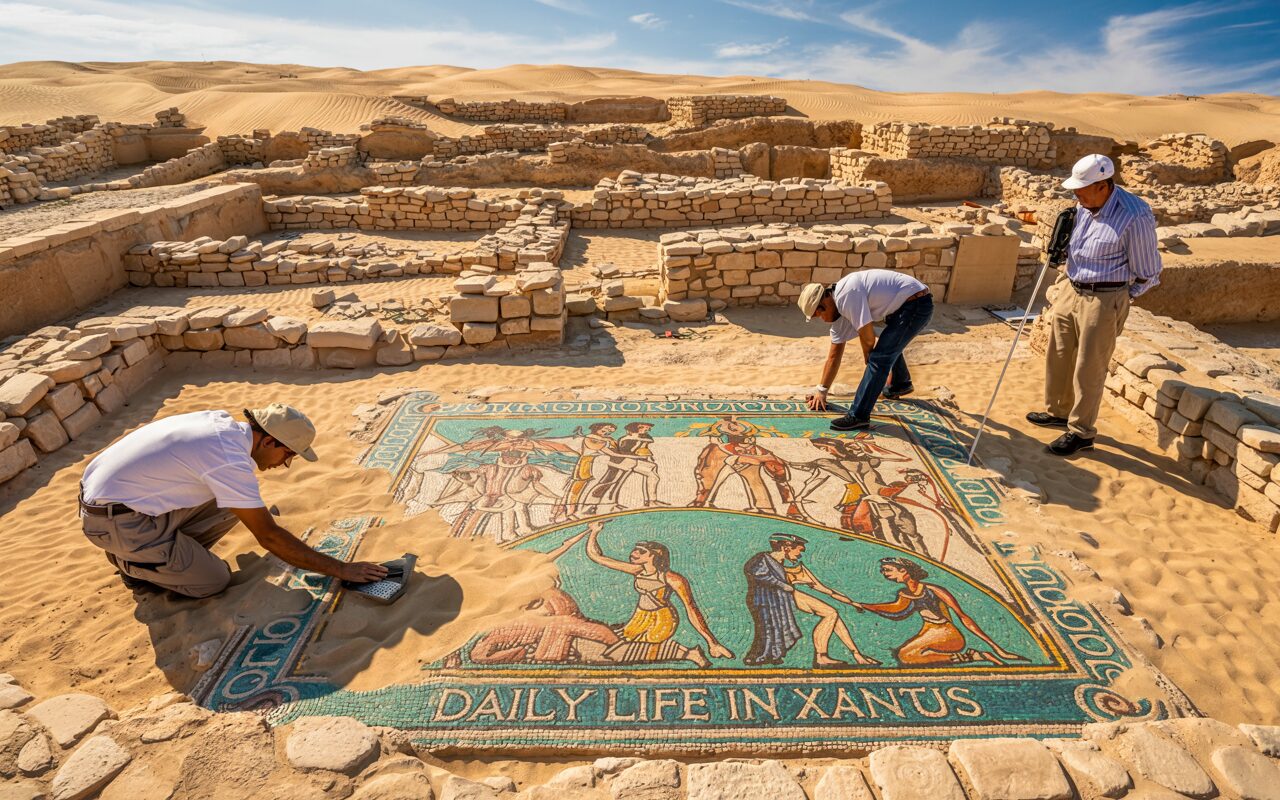
From the Interior of Brazil to the Tombs of Egypt, Discover the Most Impressive Archaeological Discoveries of 2025 and What They Reveal About Ancient Civilizations
In 2025, the world of archaeology has revealed discoveries that impress with their historical relevance, geographic reach, and ability to reconstruct forgotten episodes of the past. From South America to the Middle East, across Europe and Africa, excavations have unearthed valuable relics that not only expand our understanding of ancient civilizations but also confirm historical, biblical, and literary accounts that have shaped cultures over the centuries. Through urban works, systematic excavations, or academic investigations, archaeologists have had a particularly fruitful year. Below, we list the 5 biggest archaeological discoveries of 2025 so far, with highlights in Brazil, Egypt, France, Jordan, and Italy.
1. The Tomb of Pharaoh Thutmose II Discovered in Egypt
In February, Egyptian authorities announced the discovery of one of the most sought-after tombs in the history of Ancient Egypt: that of Thutmose II, one of the first pharaohs of the 18th Dynasty. The excavation took place in the Temas region, west of the Nile River, near the city of Luxor.
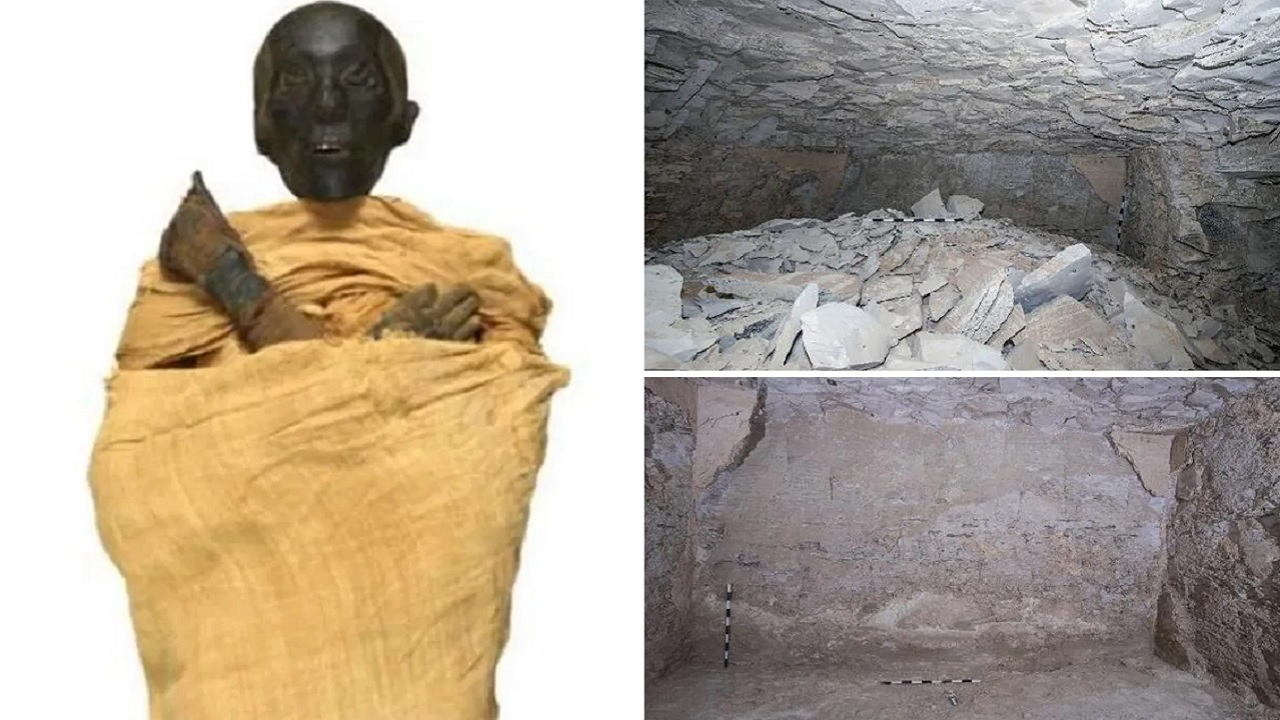
Despite its poor state of preservation, experts classified the find as one of the largest archaeological discoveries of 2025, as it marks the completion of the identification of royal tombs of this important lineage. The tomb, with inscriptions and artifacts partially preserved, provides new evidence about the burial rituals of Ancient Egypt.
-
The world’s first octopus farm wants to open in the Canary Islands and is already provoking an international reaction: the plan aims to produce 3,000 tons per year.

-
Drought may be creating stronger superbugs in the soil and helping antibiotic resistance reach hospitals, warns a study highlighting a problem that could grow alongside extreme weather.

-
The biggest scam in history: Napoleon’s France deceived the United States by selling them a territory that was Spanish.

-
Why is the Danakil Desert so dangerous? It has unstable terrain and how extreme temperatures and toxic gases turn the region into one of the most hostile environments on Earth.

Interestingly, the remains of Thutmose II had already been located in the 19th century, transferred to avoid looters, and are currently on display at the National Museum of Egyptian Civilization. The current discovery, however, confirms the original location of his burial.
2. 2,300-Year-Old Celtic Sword with Swastika Found in France
During excavations of an ancient Celtic necropolis from the Iron Age, French archaeologists uncovered a rare sword decorated with enigmatic symbols — among them, a swastika, a symbol that was widely used in Indo-European cultures long before being appropriated in the 20th century.
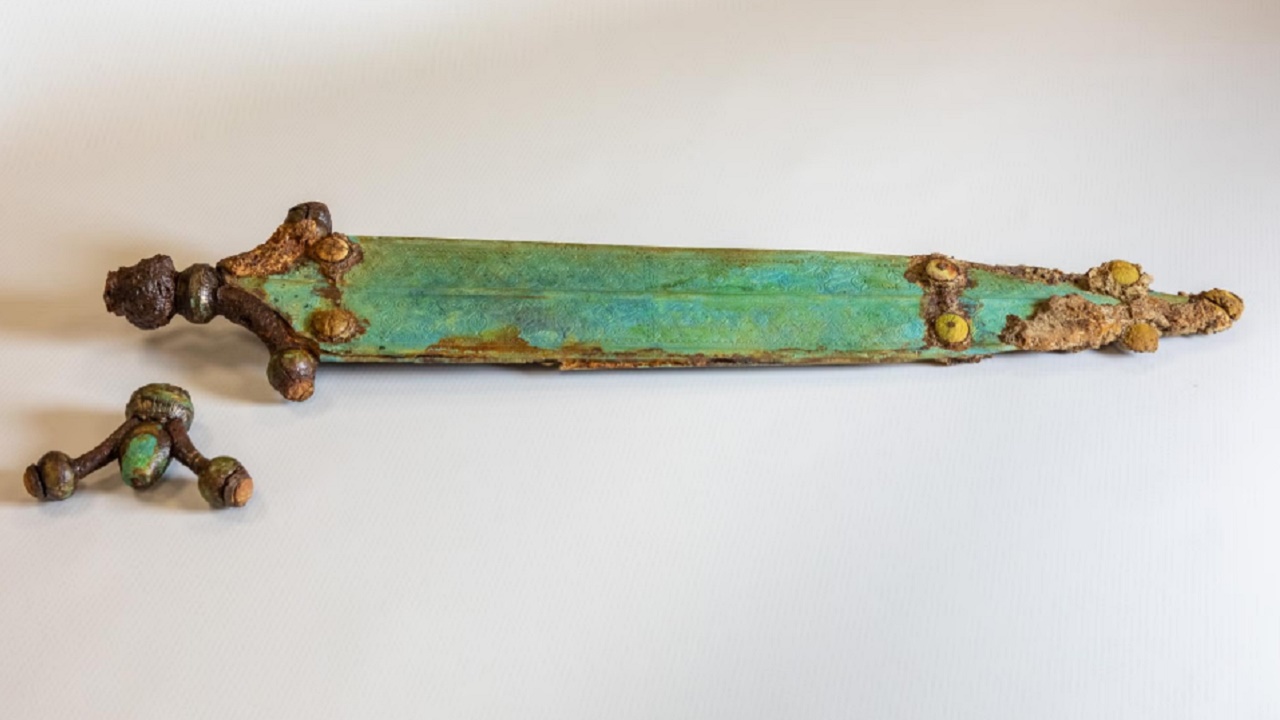
The artifact, dated between the 4th and 3rd centuries BC, was accompanied by copper alloy bracelets and a funerary vase. Although no skeleton has been identified at the site, the sword is considered “the most spectacular object of the necropolis” due to its excellent state of preservation and decorative richness with glass pastes.
The discovery reinforces the complexity of Celtic funeral rituals and raises hypotheses about the influence of sacred symbols and their original meanings, far predating modern political usage.
3. Macapá Reveals Rare Colonial and Indigenous Artifacts
During the works of Parque Residência, in Macapá, the capital of Amapá, workers came across historical artifacts dating back to the period before the official foundation of the city, which occurred in 1758.
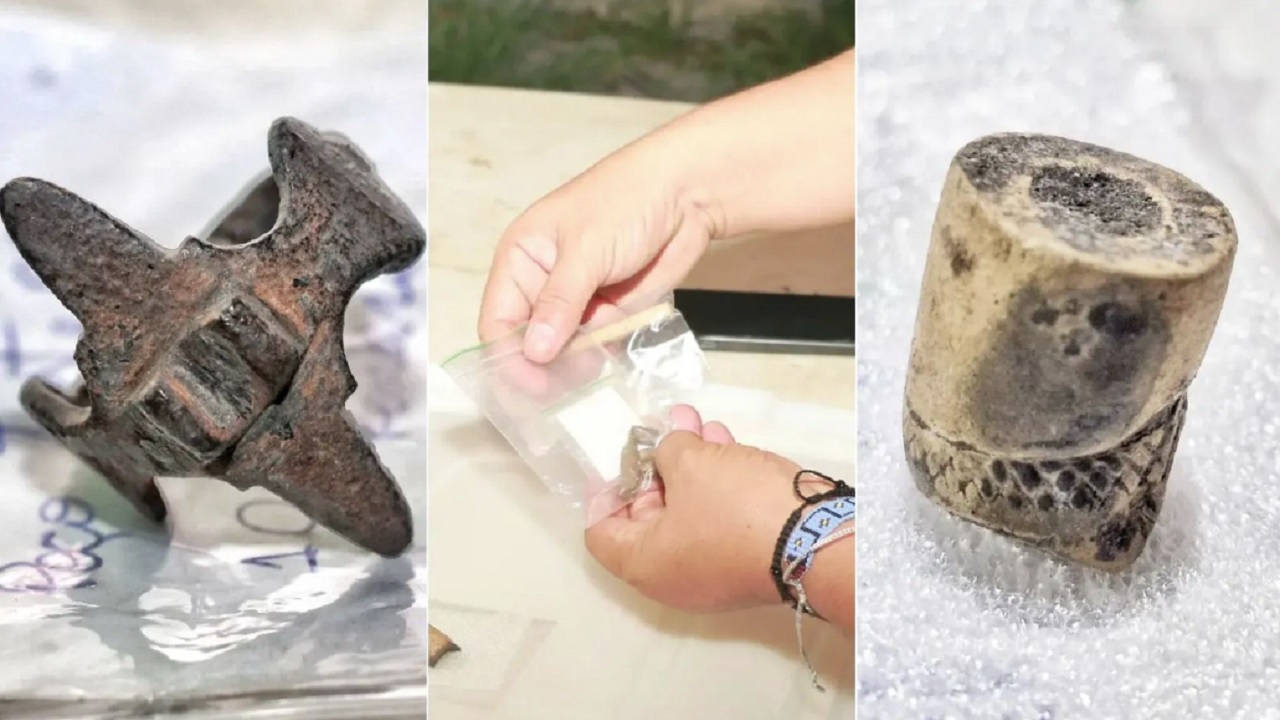
Among the objects found are colonial coins, Dutch pipes, and utensils that reveal the daily practices of local indigenous peoples. The discovery indicates that the region was inhabited and commercially active long before the first official occupations, with intense interaction between natives and European colonizers.
The finding is considered a milestone for Brazilian archaeology in 2025, as it expands the timeline of human and cultural presence in the northern region of the country and reinforces the importance of safeguarding heritage policies during public works.
4. Mahanaim: Archaeologists Believe They Have Located a Biblical City in Jordan
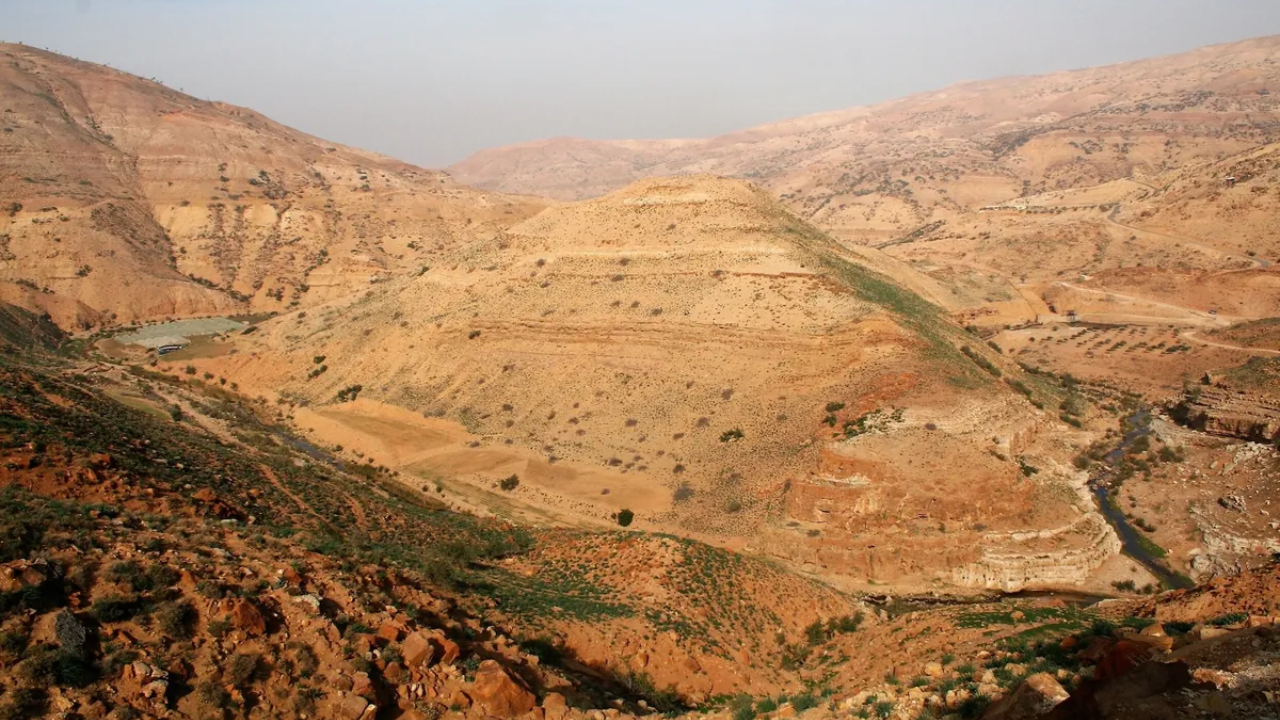
Excavations at the site of Tall adh-Dhahab al-Gharbi in Jordan revealed evidence indicating the possible location of the ancient biblical city of Mahanaim. Mentioned in the Old Testament, Mahanaim was said to be an important refuge for King David during his war against Absalom.
The name “Mahanaim,” which means “two camps” in ancient Hebrew, appears in various biblical contexts and is associated with another sacred site, Penuel, which may have been identified nearby, at Tall adh-Dhahab esh-Sharqi.
The archaeological evidence includes fortifications and residential structures dating back to the Iron Age, aligning with historical accounts. This possible confirmation of locations mentioned in scriptures makes the discovery one of the most significant in the field of biblical archaeology in 2025.
5. Pompeii Reveals Remains of a Family in Despair During Eruption
More than two thousand years after the eruption of Mount Vesuvius, ongoing excavations in Pompeii, Italy, continue to reveal new human narratives. This year, archaeologists discovered the remains of an entire family found in a house on Via del Vesuvio, where they attempted to protect themselves from the tragedy.
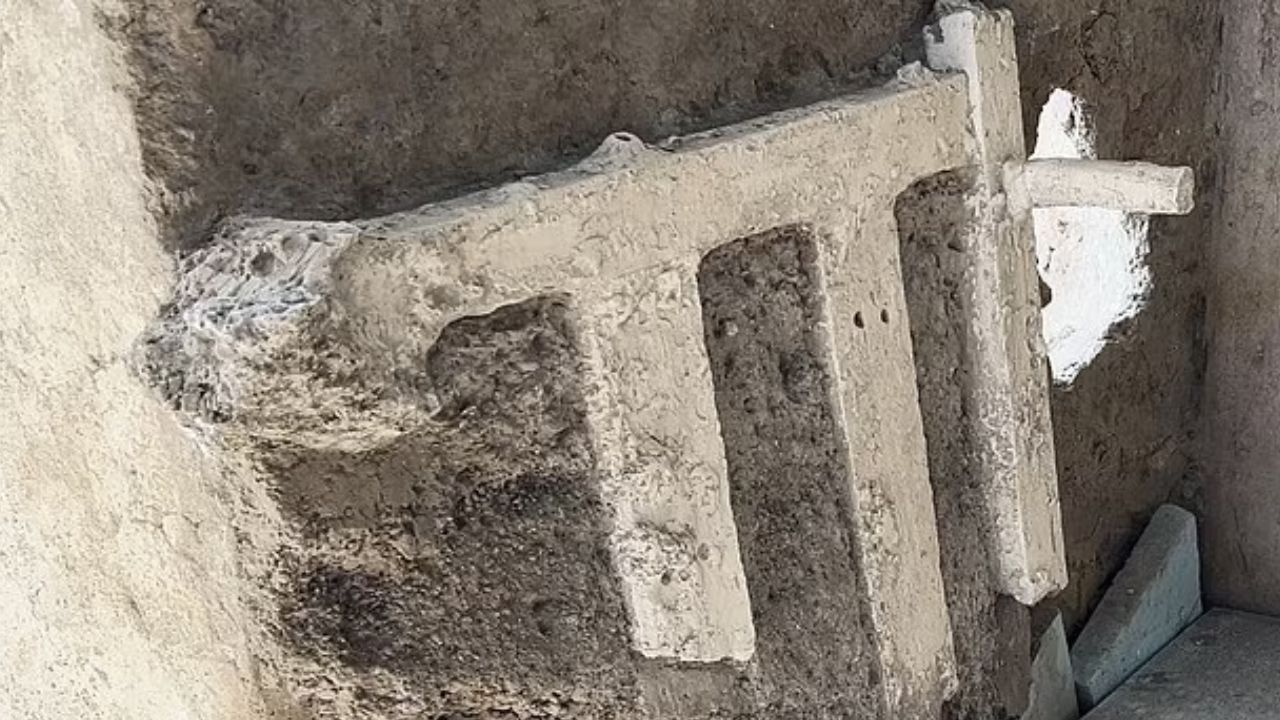
In one of the rooms of the partially excavated residence, researchers found a bed positioned against the door — an improvised attempt to block the ashes and gases. Inside the room, there were the remains of four people, including a child.
The finding is considered poignant as it represents the human reaction to catastrophe and helps to provide a more intimate picture of the daily life and losses caused by the eruption of AD 79. The house will be restored and opened for visitation in the future.
A Window to the Past — and the Present
The biggest archaeological discoveries of 2025 so far demonstrate not only the scientific investigation capabilities of contemporary archaeology but also how these findings remain relevant in today’s society.
Each excavation connects us to stories of survival, power, faith, and daily life, creating bridges between the past and the present. Whether in the sands of Egypt, the banks of Amapá, or the ruins of Pompeii, the year 2025 has already entered history as one of the most revealing for global archaeology.
With technological advances in dating, genetic analysis, and satellite mapping, it is likely that the next major discoveries are already on the way. And by all indications, there is still much to excavate — and tell.








-

-

-

-

7 pessoas reagiram a isso.