





 Portuguese
  English
  Spanish
  5 min of reading
  1 comment


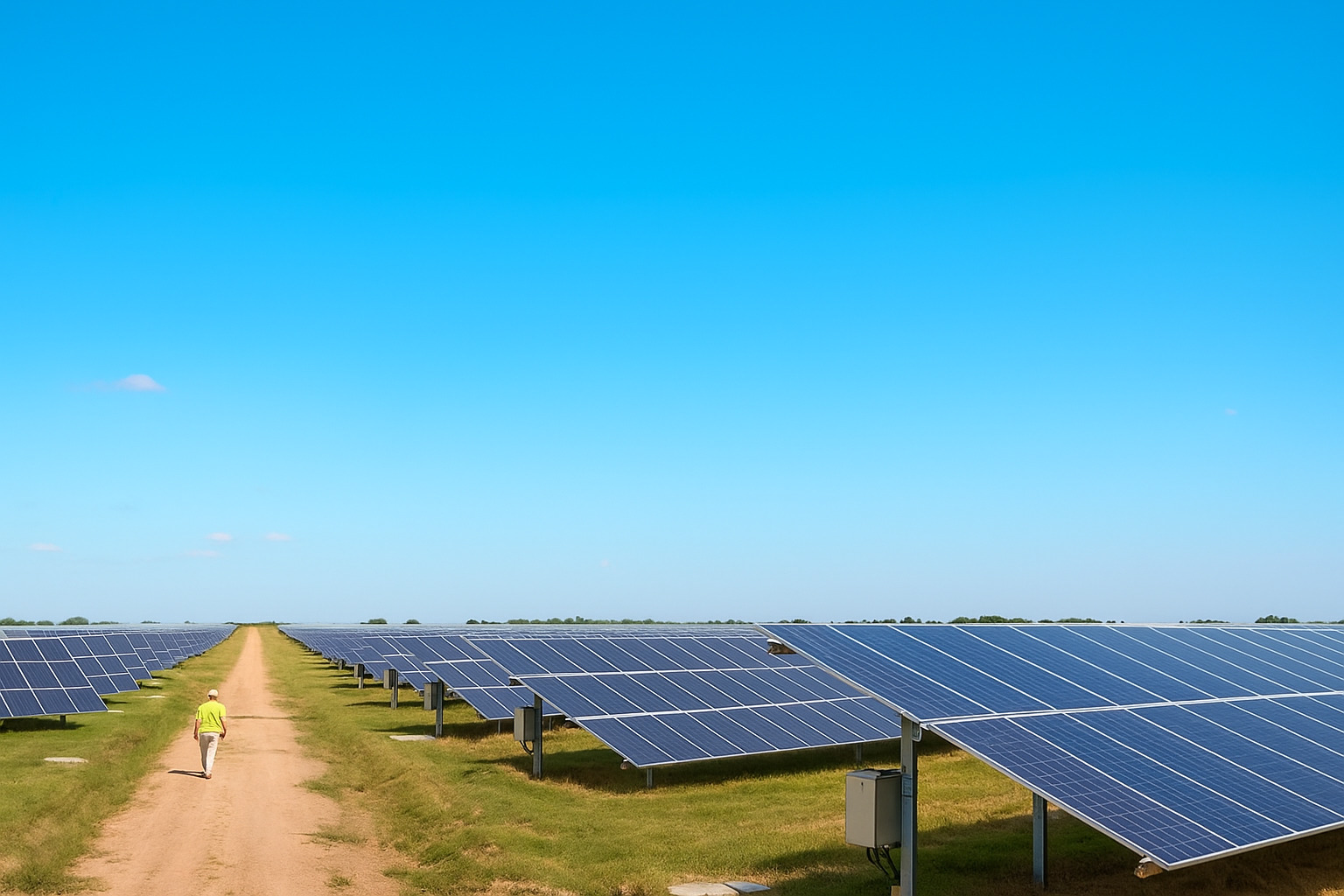

Discover How Solar Energy in Uruguay Became a Regional Example in Sustainability and Energy Innovation.
Solar energy in Uruguay has become one of the central pillars of the South American energy transition. Although the country is small in territory, its ambition to invest in clean sources shows how consistent policies and a long-term vision can change a nation’s energy landscape.
Since the early 2000s, Uruguay has been drastically reducing its dependence on fossil fuels, replacing it with renewable energy, especially solar energy, which is gaining more and more ground in the national scenario.
Over the past decades, the country has built a solid energy policy, based on strategic planning and public-private cooperation.
-
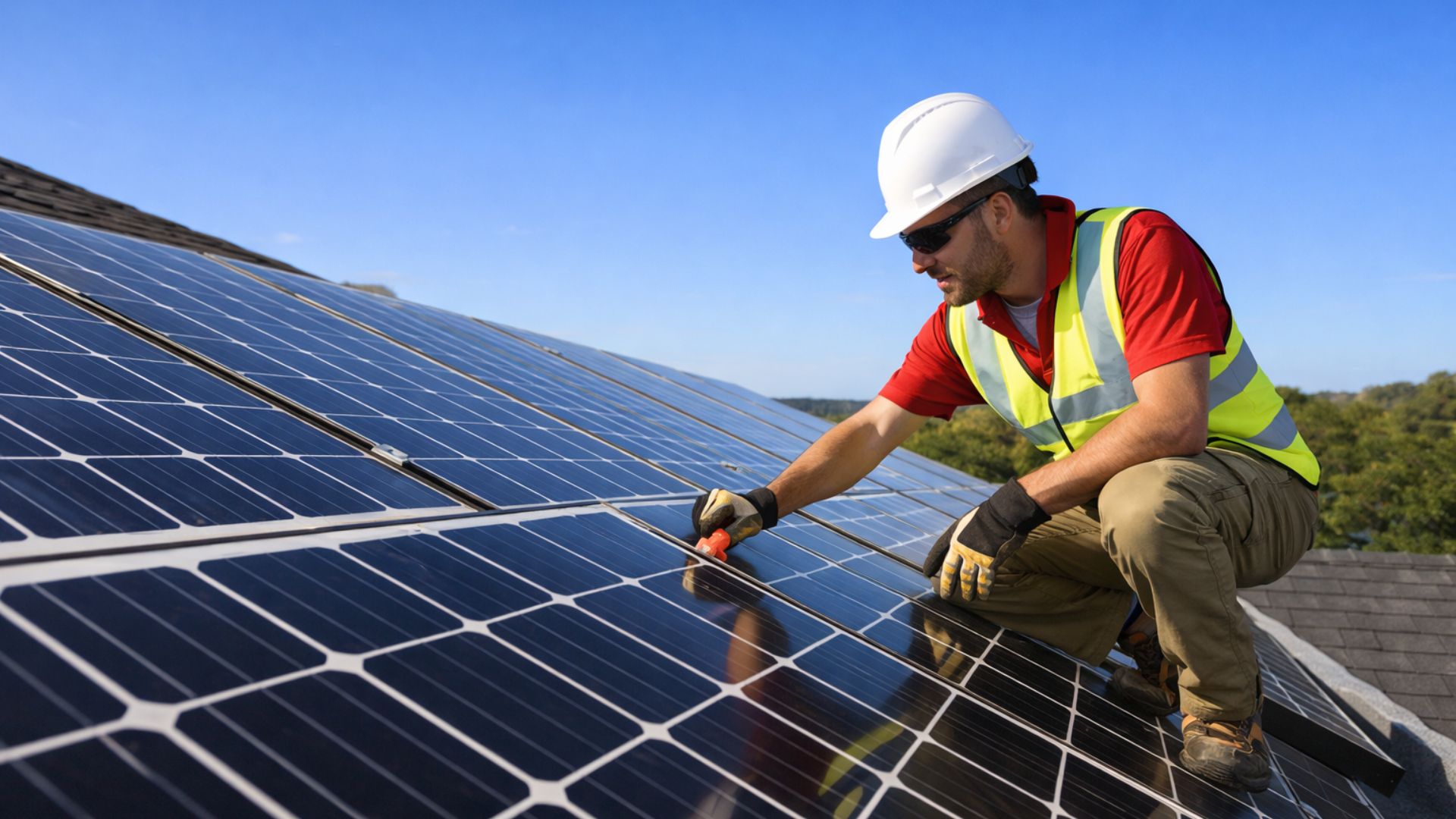
Seagri’s headquarters invests in solar energy with Neoenergia Coelba and promises to cut electricity costs, highlighting a strategic advance in sustainability and energy efficiency within state public administration.
-
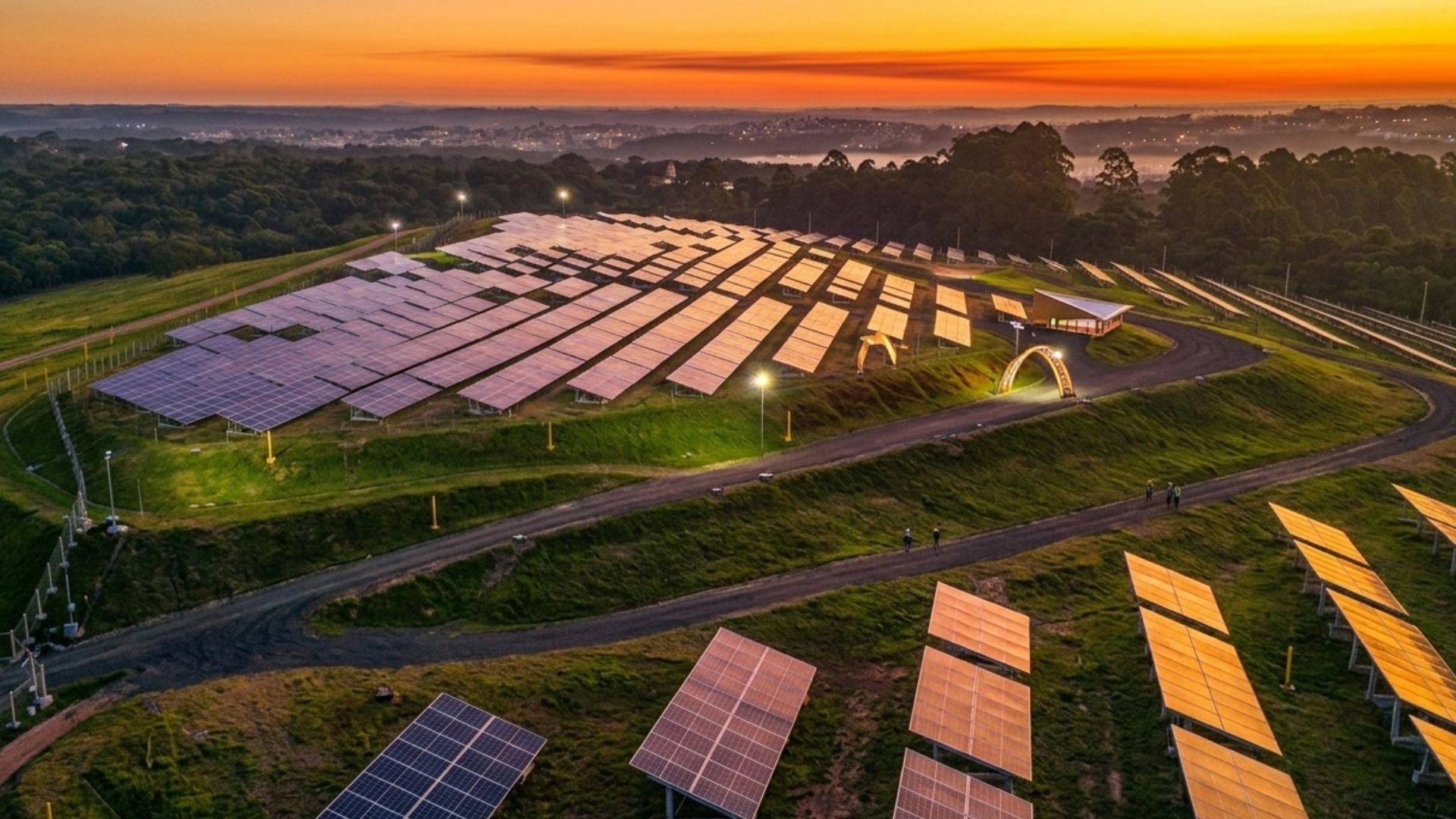
Solar Pyramid draws attention by converting solar energy into million-dollar savings and repositioning the City Hall of Curitiba as an example of innovation, sustainability, and intelligent use of public resources.
-
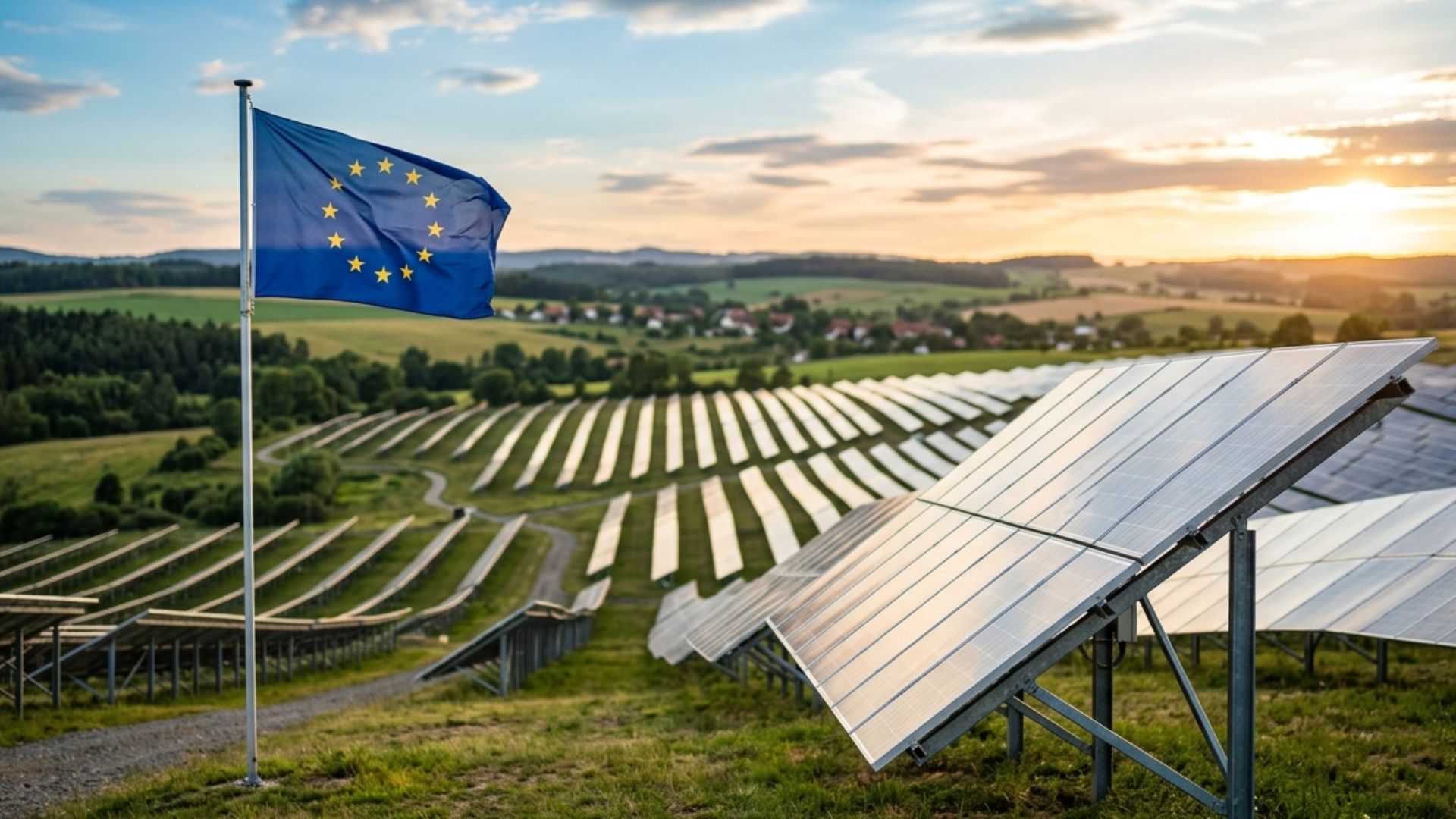
Europe records strong euro economy with solar energy in March and sparks curiosity about which country leads growth that redefines the energy market and reduces costs.
-
Piauí reaches a historic milestone in energy transition: State records nearly 160,000 households powered by solar energy and leads growth in the Northeast.
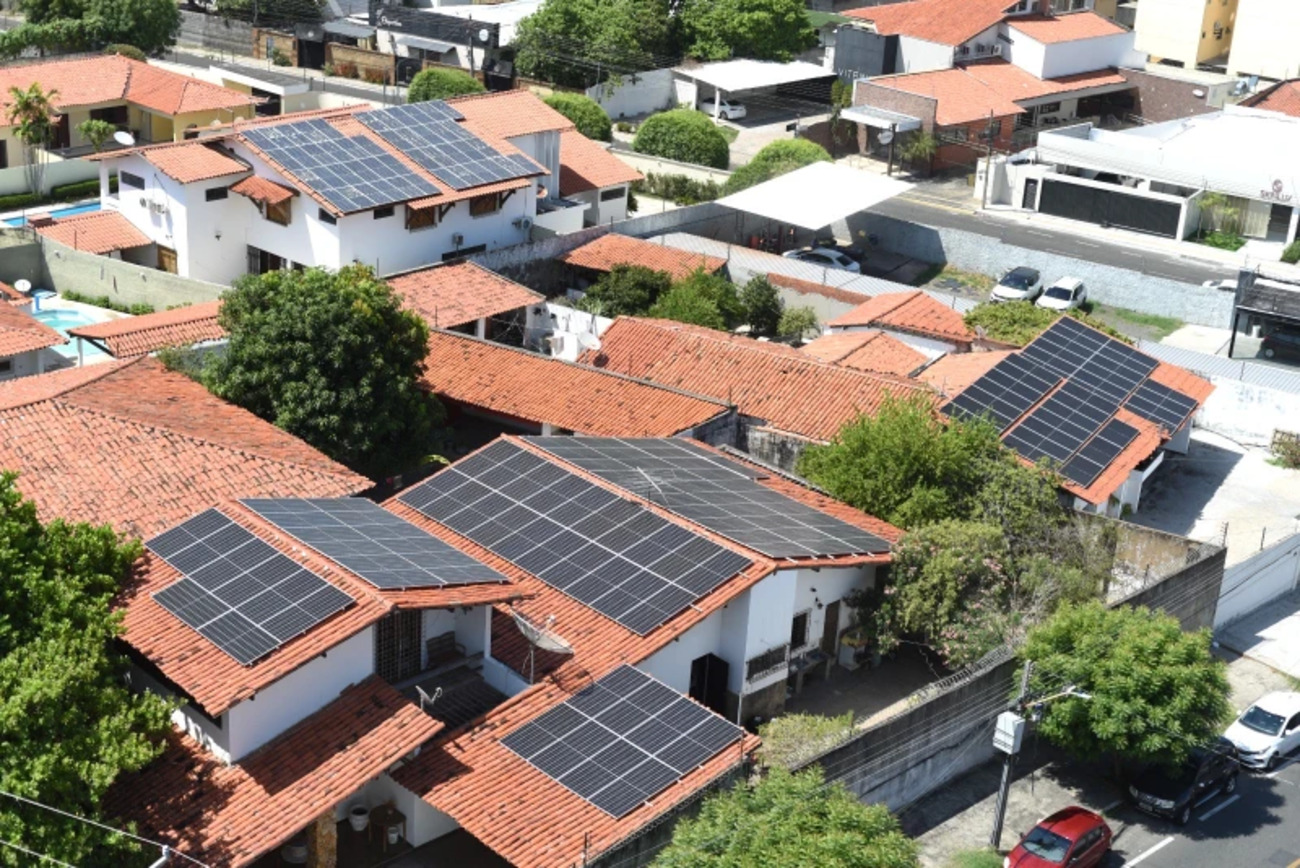

As a result, Uruguay today ranks among the world leaders in energy generation from renewable sources.
Therefore, solar energy is not just an alternative but a key component of the country’s modern and sustainable energy matrix.
The Construction of a Sustainable Energy Policy
To understand Uruguay’s success, it is essential to revisit its trajectory.
Starting in 2005, the government implemented the 2005-2030 Energy Policy Plan, a fundamental milestone in the transformation of the sector. With this, the country established clear goals for matrix diversification and encouraged private investments in clean energy.
Moreover, the Uruguayan government adopted a stance of partnership with the private sector, creating competitive auctions to ensure long-term contracts and regulatory stability.
This way, both national and foreign investors found a safe environment to finance large-scale solar projects.
As a consequence, the country began to see a significant expansion of solar energy starting in the 2010s.
While other countries were still facing challenges to integrate renewable energies, Uruguay opted for a pragmatic and consistent approach.
Thus, it combined tax incentives, stable regulatory frameworks, and environmental goals with a strong political commitment.
Historically, this trajectory occurred alongside the 2008 global energy crisis, which raised oil prices and highlighted the need for sustainable alternatives. Uruguay took advantage of this moment to consolidate its clean matrix, investing in innovative projects and attracting international investors.
Technological Advancements and Decentralization of Generation
Technological progress has also played a crucial role in this trajectory.
As the costs of photovoltaic panels decreased globally, Uruguay managed to expand its solar park efficiently and affordably.
At the same time, the country invested in the modernization of its electrical infrastructure, facilitating the integration of new sources into the national grid.
Additionally, the decentralization of energy generation has become a strategic goal.
Small producers and rural cooperatives began to install solar systems on their properties, reducing costs and strengthening local energy autonomy.
Thus, solar energy began to directly benefit rural communities and small towns, which previously relied on expensive and polluting systems.
Another relevant point is the incorporation of new storage technologies.
With more efficient batteries, Uruguay can better balance electricity supply and demand, even on cloudy days.
Therefore, solar energy has become a stable and reliable source within the national electrical system.
Moreover, the country invests in research aimed at more durable and efficient solar panels, ensuring that each installation produces the maximum amount of energy possible over its lifespan.
The Social and Economic Role of Solar Energy in Uruguay
Beyond environmental benefits, the growth of solar energy in Uruguay has driven economic and social development.
The sector’s expansion created jobs, attracted foreign investments, and stimulated technological innovation.
Additionally, the Uruguayan government has encouraged professional training programs to train technicians and engineers specialized in renewable energies.
With this, the energy transition has also become a social policy that generates opportunities and strengthens the local economy.
On the other hand, the cost of electricity for consumers has decreased, increasing the competitiveness of national industries.
This way, the country has managed to combine economic growth and environmental sustainability.
Another important aspect is the role of universities and research centers, which collaborate with the public and private sectors to develop technologies adapted to the Uruguayan reality.
This synergy among science, government, and the market contributes to the consolidation of a green economy.
Furthermore, the solar expansion has positive impacts on rural communities, allowing farmers to reduce electricity costs, increase productivity, and access reliable energy for irrigation and agricultural processing.
Regional Cooperation and International Projection
In addition to strengthening its internal market, Uruguay has sought to share knowledge with neighboring countries.
Through energy cooperation agreements, the country exports not only electricity but also technical expertise and sustainable management models.
Therefore, Uruguay has become a reference in energy transition policies in Latin America.
This regional prominence is partly a result of the long-term vision that guided the Uruguayan energy policy.
While many countries are still debating the pace of transition, Uruguay already demonstrates concrete and internationally recognized results.
In this way, its trajectory serves as an example for nations that wish to accelerate the adoption of clean energies without compromising economic stability.
Challenges and Future Prospects
Despite the advances, there are still challenges to overcome.
The natural intermittency of solar generation and the need to expand storage capacity remain priority issues.
Additionally, the country seeks to expand the use of solar energy in sectors such as transportation and industry, integrating new technologies to further reduce carbon emissions.
Even so, the prospects are positive.
The Uruguayan government intends to continue stimulating investment and research in renewable energies, consolidating itself as a regional leader in sustainability.
With consistent policies and long-term planning, the country continues to demonstrate that it is possible to grow economically while protecting the environment.
Therefore, the future of solar energy in Uruguay looks promising.
With a diversified matrix, continuous investments, and strong social engagement, the country positions itself as a global model of successful energy transition.
Additionally, Uruguay has been exploring the potential of solar energy in industrial applications, such as powering factories, data centers, and electric transport infrastructure. These measures ensure that the country continues to increase the share of clean energy in strategic sectors, amplifying its leadership in energy innovation.






I must say this article is extremely well written, insightful, and packed with valuable knowledge that shows the author’s deep expertise on the subject, and I truly appreciate the time and effort that has gone into creating such high-quality content because it is not only helpful but also inspiring for readers like me who are always looking for trustworthy resources online. Keep up the good work and write more. i am a follower.