





 Portuguese
  English
  Spanish
  3 min of reading
  1 comment


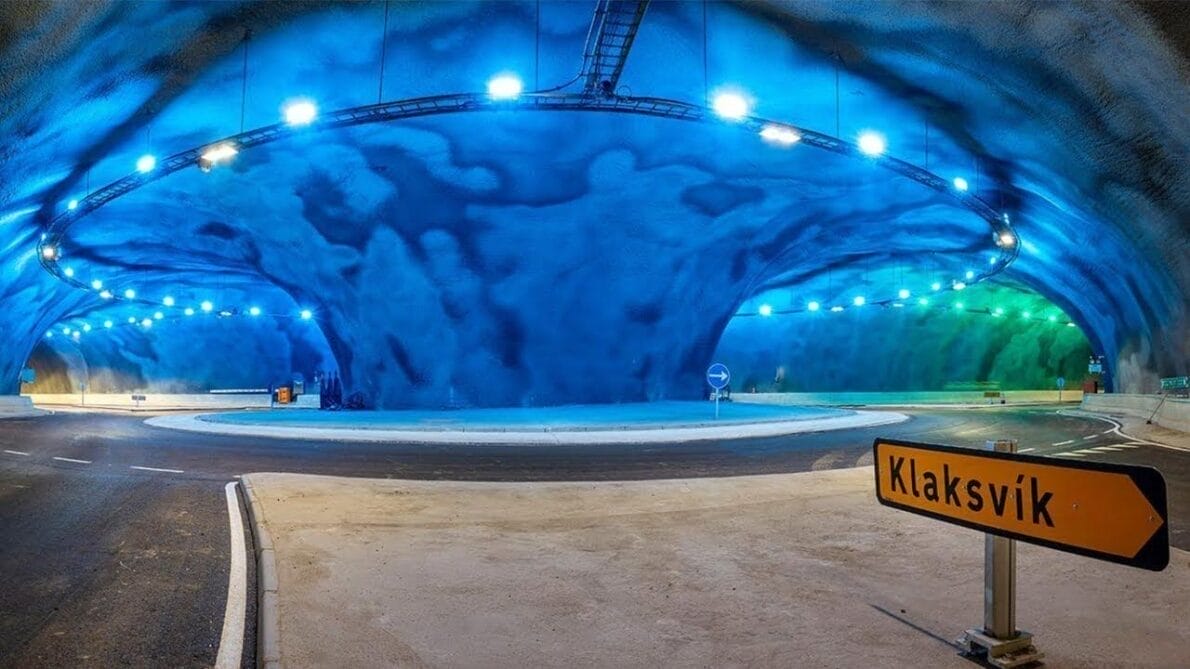

The Faroe Islands, located in the North Atlantic, stand out with the opening of an innovative submarine roundabout, integrated into an extensive system of submarine tunnels that connects several islands of the archipelago. This construction, located 190 meters below sea level, not only facilitates transportation and protects the population from frequent adverse weather conditions, but also strengthens tourism and the local economy centered on fishing.
In a demonstration of advanced engineering and meticulous planning, the Faroe Islands complete an architectural project that attracts global attention: the first fully submerged roundabout under the waters of the Atlantic Ocean, part of an ambitious complex of submarine tunnels that connects several islands of the archipelago.
Located in the remote North Atlantic, the Faroe Islands, an autonomous territory of Denmark, are known for their stunning landscape and now, for their impressive underground infrastructure. The submarine tunnel project, including the remarkable roundabout under the ocean, not only facilitates transportation and communication between the islands but also protects residents from the climatic adversities frequently experienced in the region.
The Ability of the Faroe Islands to Achieve Such Impressive Engineering Feats, Derives from a Combination of Effective Resource Management and a Strong Cultural Valuation
This new tunnel, which descends 190 meters below sea level at its deepest point, is a marvel of modern engineering, designed to withstand extreme conditions and significantly improve connectivity between the islands. With over 11 km in length, the tunnel reduces a journey that previously took more than an hour to just 16 minutes.
-
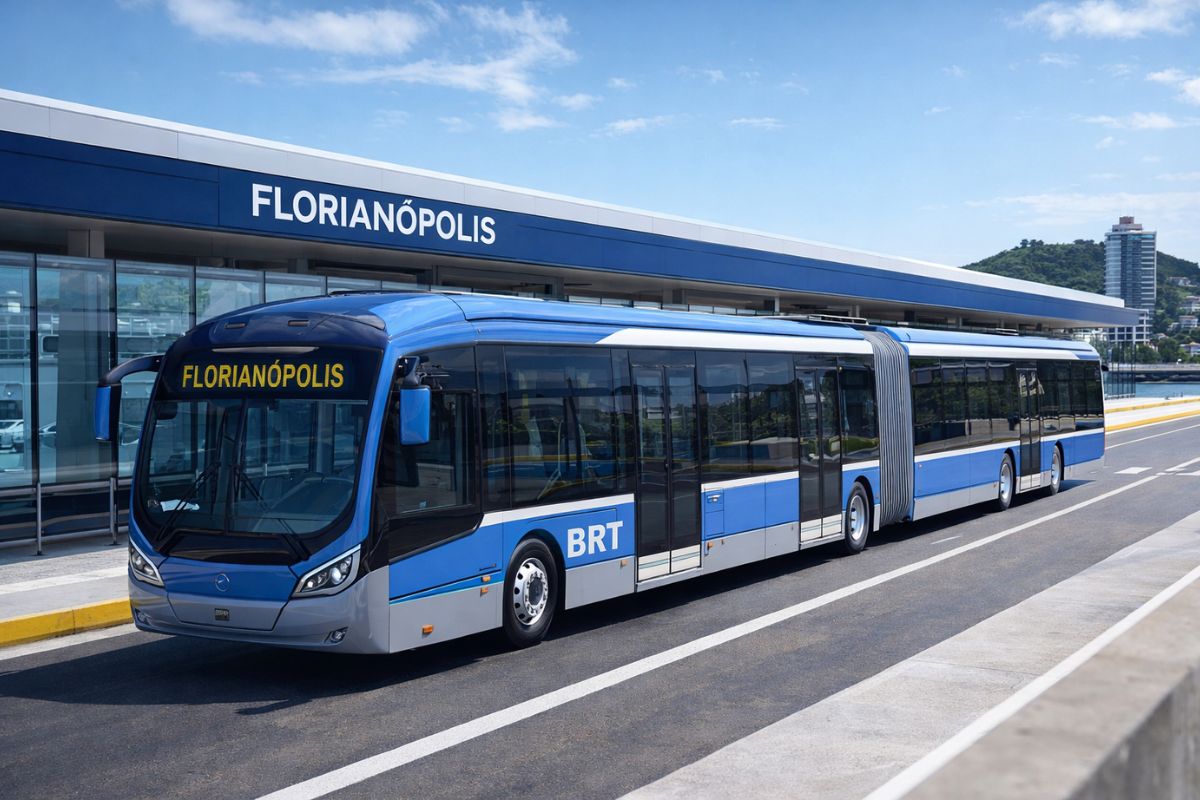
Florianópolis will receive a million-dollar BRT that will begin construction in 2026 with nearly 400 million in funding from the federal government and the Inter-American Development Bank, and the map already shows the routes for the exclusive bus corridors.
-
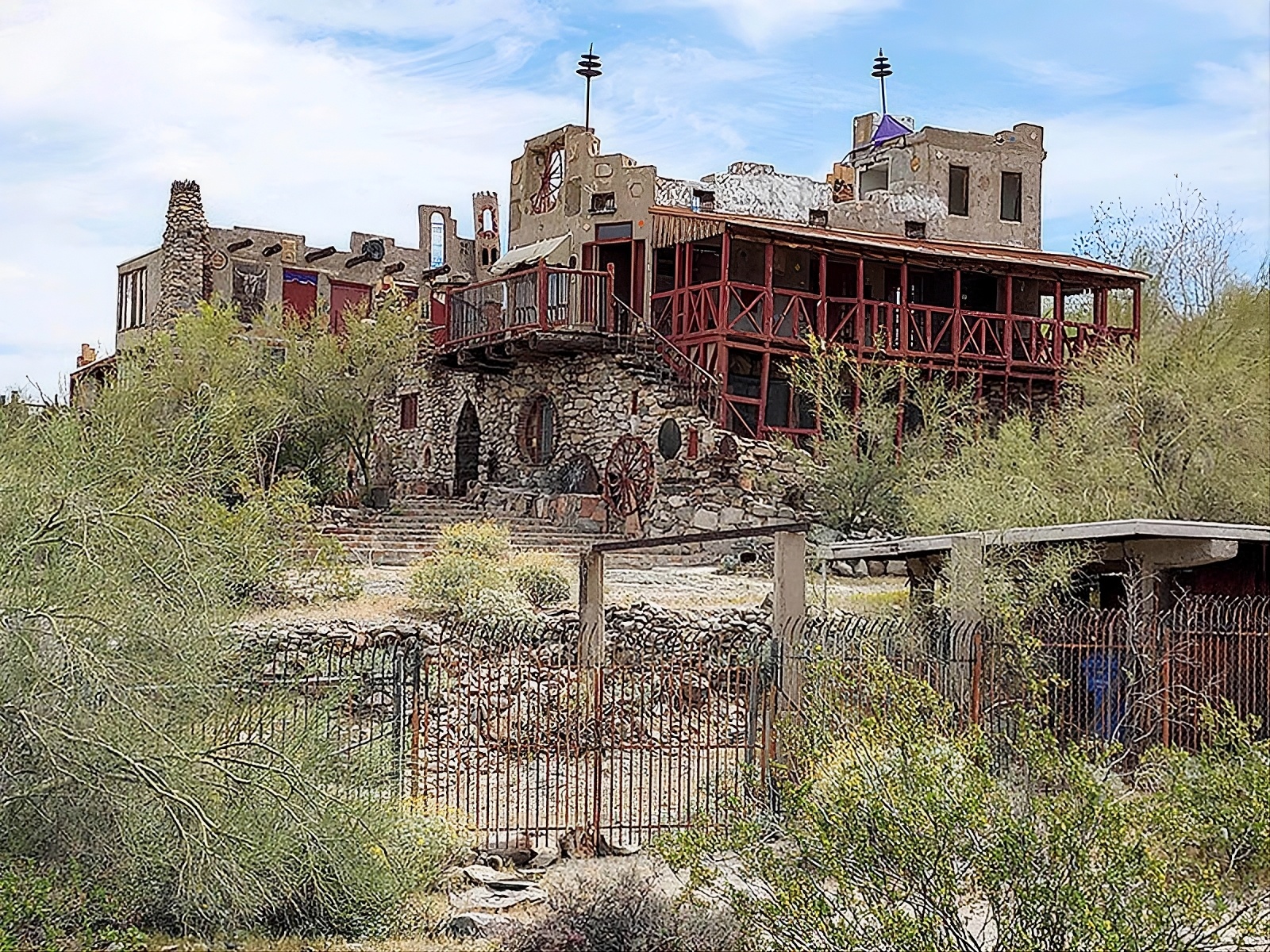
Without a blueprint, without an engineer, and using scrap from the dump, a father spends 15 years building an 18-room castle for his daughter, featuring tram tracks, 13 fireplaces, and over 700 m², which may now be demolished.
-
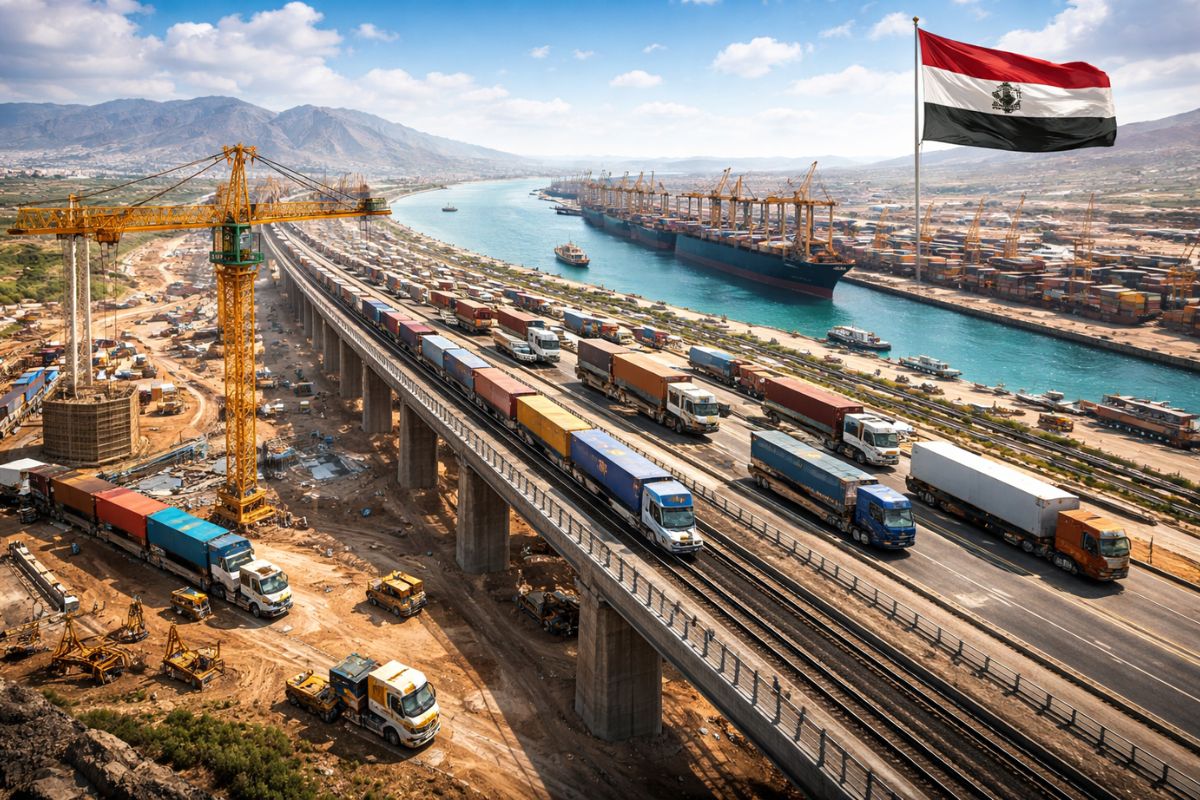
A megaproject worth R$ 89 billion is advancing in Iraq and promises to change the game in global trade by creating a new corridor between Asia and Europe, reducing traditional routes and repositioning the country as a logistics powerhouse.
-
Goodbye bedside table: floating shelves become a trend in 2026 by freeing up space in the bedroom, improving circulation, bringing visual lightness, and integrating technology without taking up floor space.


The ability of the Faroe Islands to achieve such impressive engineering feats, despite their isolated location and small population, derives from a combination of effective resource management and a strong cultural valuation. The archipelago has a history of investing in infrastructure that connects isolated communities, beginning with land tunnels in the 1960s and expanding to submarine tunnels since 2002.
The Submarine Roundabout Is Adorned with Jellyfish-Themed Lighting and Sculptures That Represent Traditional Dances of the Faroe Islands
Additionally, the tunnels are not just made for functionality; they also carry a strong cultural element. The submarine roundabout is adorned with jellyfish-themed lighting and sculptures that represent traditional dances of the Faroe Islands, highlighting the rich cultural heritage of the archipelago while serving practical purposes.
The impact of these projects goes beyond transport and tourism. With the fishing industry accounting for a significant portion of the islands’ GDP, the improvement of infrastructure strengthens the local economy and helps sustain a practice that is both an economic activity and a cultural heritage.
The Faroe Islands Are Positioning Themselves as Leaders in Renewable Energy
The Faroe Islands are positioning themselves as leaders in renewable energy. By 2030, they plan to generate all their electricity from renewable sources, with ongoing projects that include hydroelectric, wind, and innovatively, tidal energy.
This ambitious submarine tunnel and roundabout highlight the Faroe Islands not only as an isolated refuge in the North Atlantic but as an example of innovation and resilience, redefining what small communities can achieve in the modern landscape of engineering and sustainability.






Parabéns pelos trabalhos