Portuguese
  Spanish


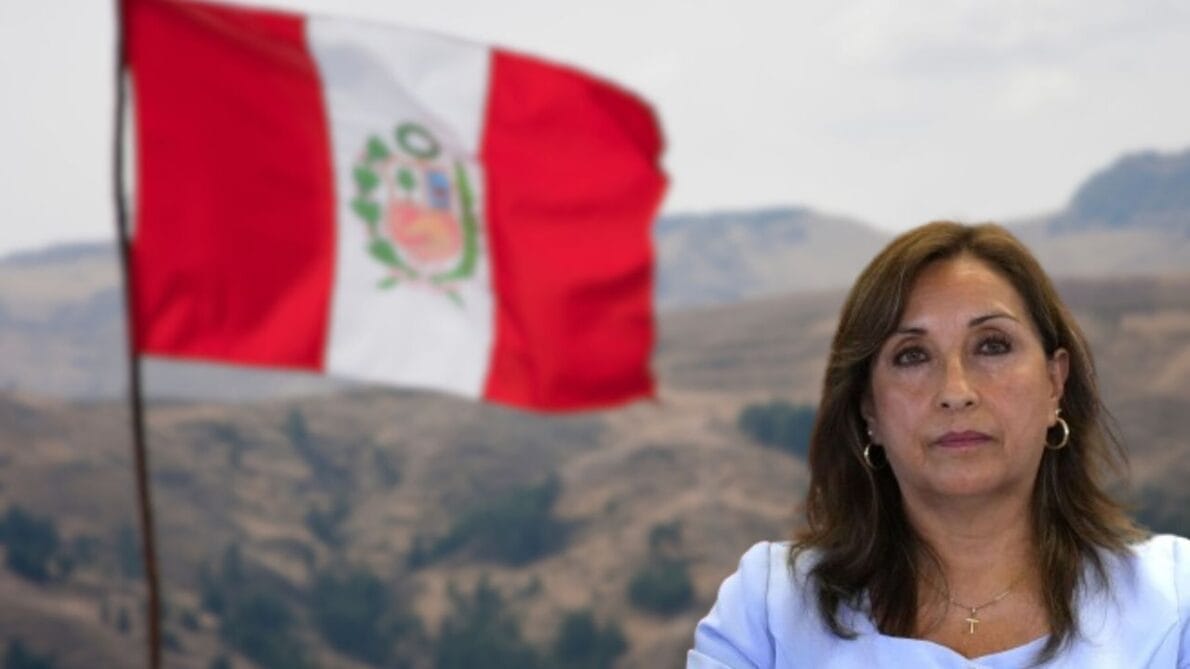


Residents of Purús Province in Peru, isolated and neglected by the Peruvian government, express interest in being annexed to Brazil, seeking access to basic infrastructure, health care, and security in a scenario that rekindles discussions about cross-border integration between the two countries.
Amid a growing sense of abandonment by the Peruvian government, residents of Purús Province in the Ucayali region express an unusual desire: to have their territory in Peru annexed to Brazil. Located in the vast and biodiverse Amazon, the region faces significant isolation, lacking basic infrastructure and essential services.
Purús Province, which shares a border with the Acrean city of Santa Rosa do Purús, is home to about five thousand inhabitants who endure the lack of basic sanitation, electricity, and security, exacerbating the already precarious living conditions. This neglect has fueled the desire to be part of Brazilian territory, a country that already provides substantial support to the local population.
Population of Purús in Peru Has Lived for Years Under the Neglect of the Peruvian Government, Which Justifies the Situation by the Province’s Remote Location


The feeling of helplessness is not new. The population of Purús in Peru has lived for years under the neglect of the Peruvian government, which justifies the situation by the province’s remote location. The crisis has become so dire that even Peruvian television documented the difficulties faced by residents, including the lack of medications for contagious diseases and the precarious transportation infrastructure.
-
U.S. Dismisses Brazilian Foreign Ministry’s Military Risk Warning as “Absurd,” Cites Brazilian Criminal Gangs Operating in the U.S. Since May 2026

-
Ukraine War Impacts Brazilian Fuel Supply: Russian Diesel Imports Drop 65% in June, Brazil Turns to US and India Amid Market Concerns

-
Chinese Nuclear Submarine Launches Simulated Warhead Missile in Pacific, Heightening Regional Tensions Amid Naval Drills with Russia Near Qingdao; New Zealand and Papua New Guinea Warn of Persistent Chinese Military Presence
-
Ayatollah Ali Khamenei’s Funeral Draws 15 to 20 Million in Tehran, Calls for Revenge Against Trump After Joint Israel-U.S. Attack




This would not be the first time a region expresses a desire to be annexed to Brazil. The State of Acre was integrated into Brazil in 1903, following the Treaty of Petrópolis, resulting from the Acre Revolution. However, a formal annexation by the current Brazilian administration seems unlikely. Despite this, the crisis highlights the ongoing debate about cross-border integration, an initiative discussed since 2009 that aims to strengthen economic, commercial, and social ties between the border regions of Brazil and Peru.
While Formal Annexation Is Not Feasible for Brazil, Cooperation Between Border Cities and the Potential Creation of a Cross-Border Integration Zone Promise to Improve Quality of Life
While formal annexation is not feasible for Brazil, cooperation between border cities and the potential creation of a cross-border integration zone promise to improve quality of life and economic development in the region. This project divides the border into three sectors (North, Central, and South) and aims for greater interaction between the isolated communities of Acre and Amazonas with their Peruvian neighbors.
While they await more support, residents like Wesley Santos, who brought this situation to light through social media, continue to seek solutions, including obtaining dual nationality, to alleviate the burden of abandonment faced for years.