





 Portuguese
  English
  Spanish
  3 min of reading
  1 comment


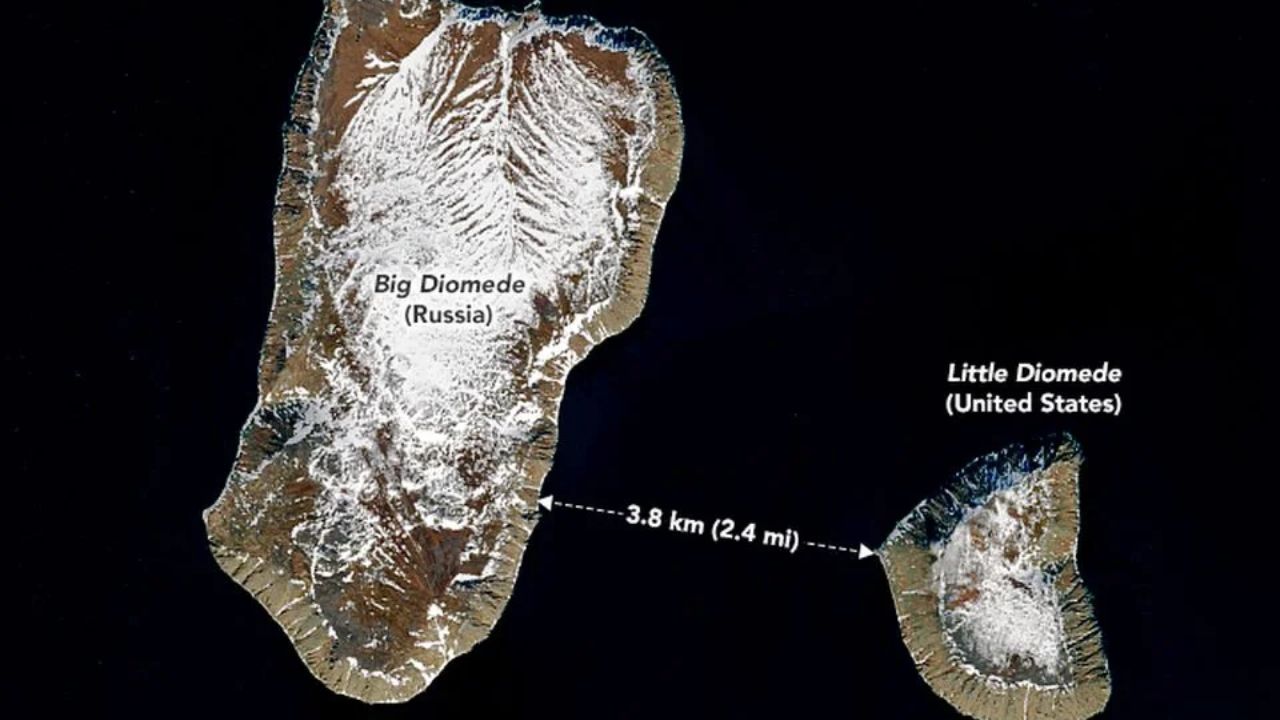


Two Islands So Close You Can Even Walk Between Them in Winter, But Separated by an Absurd Time Difference: 21 Hours! The Diomede Islands, in the Bering Strait, Divide Not Only Two Countries – The USA and Russia – But Also Yesterday and Tomorrow.
Have you ever thought about being in a place where, just a few kilometers away, it is literally another day? It sounds like something out of a science fiction movie, right? But this really happens in the Diomede Islands, one of the most bizarre and fascinating places in the world.
These islands are located in the middle of the Bering Strait, and the whole situation gets even crazier because one of them belongs to the United States and the other to Russia. But the big detail? The International Date Line runs right through the middle of them, which means that Big Diomede is 21 hours ahead of Little Diomede.
In other words, if you move from one to the other, you are basically traveling through time – going to the future or coming back to the past. Surreal, right? No wonder they earned the nicknames “Yesterday Island” and “Tomorrow Island.”
-
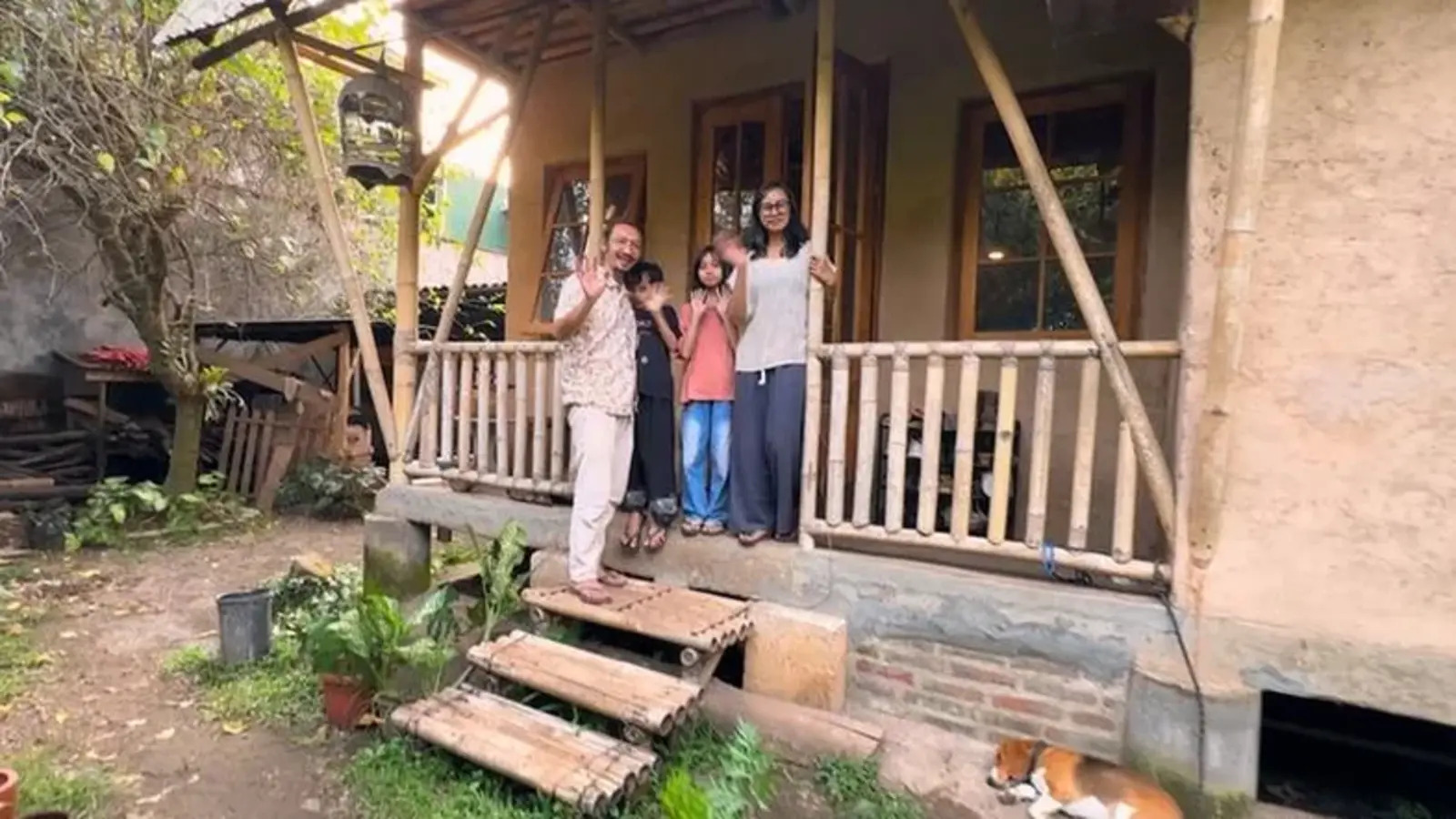
With earth, bamboo, straw, and lime mortar, a specialist builds a house for just over $460 and draws attention for its cost being much lower than traditional construction.
-
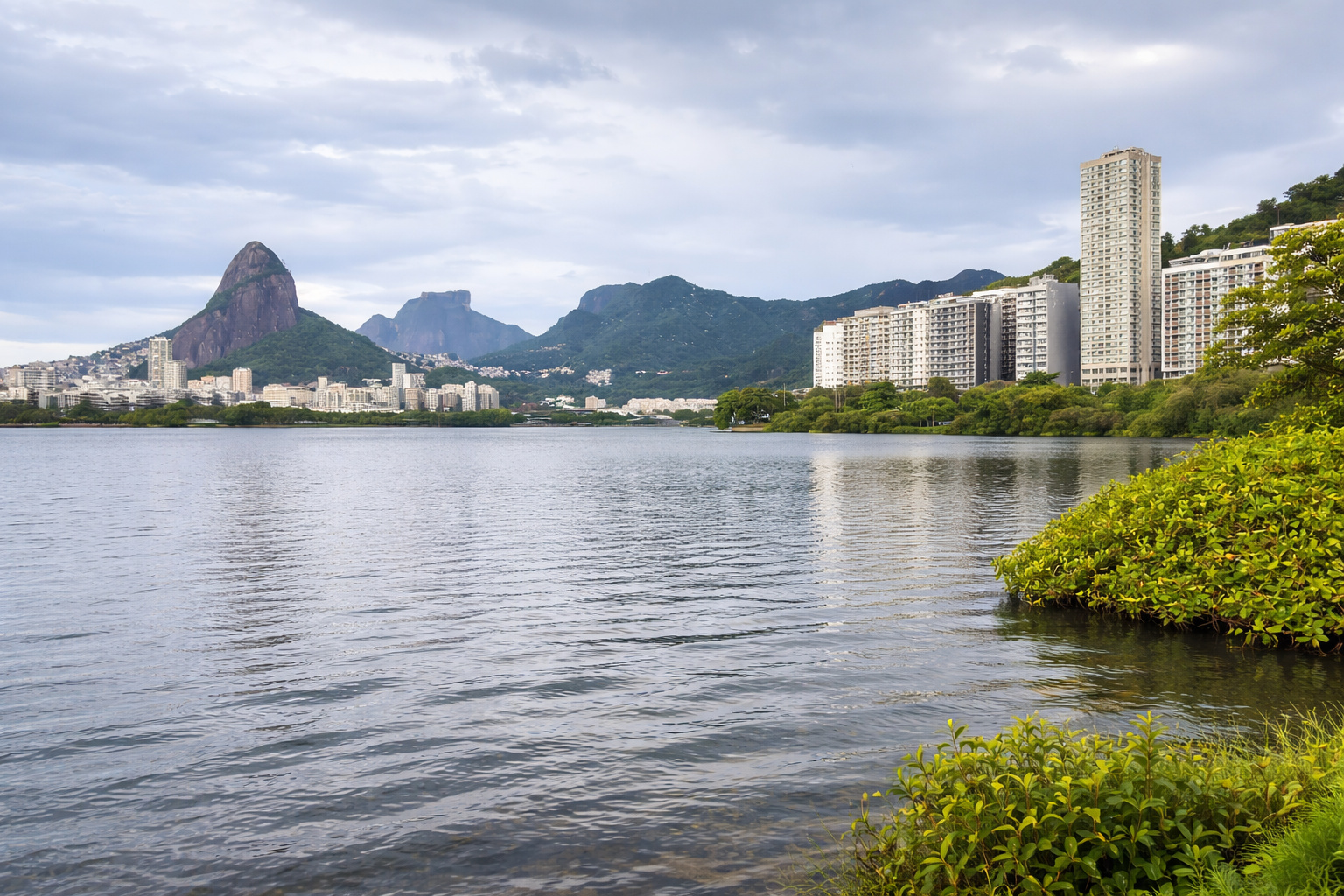
Rodrigo de Freitas Lagoon advances in environmental recovery with sanitation, elimination of irregular sewage, and the resumption of water sports in Rio de Janeiro.
-
Sustainable housing gains strength with a nationally awarded project in Campo Grande, highlighting innovative solutions that combine sustainability, urban integration, and efficiency in the use of natural resources.

-
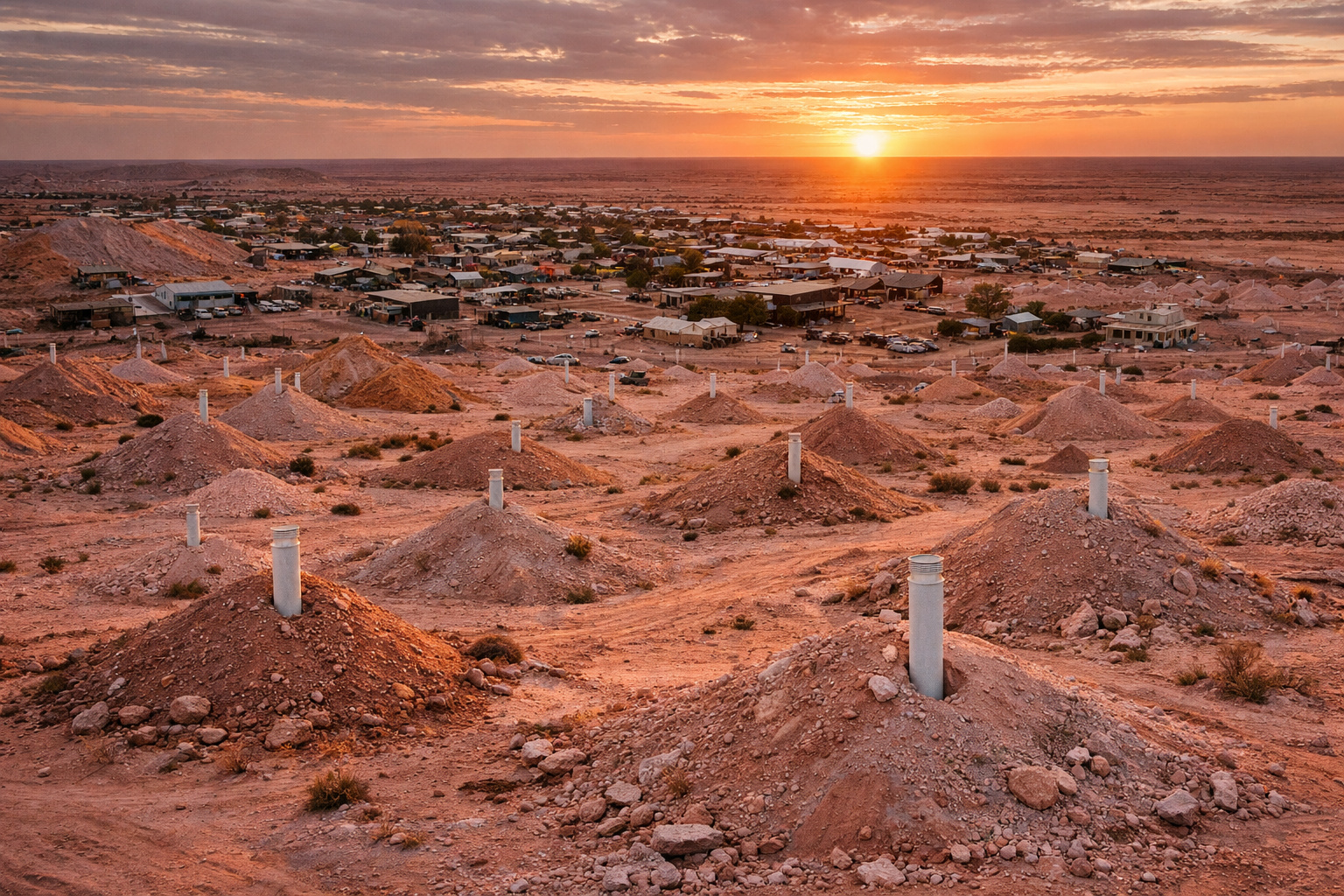
City Where Residents Live Underground to Escape 52°C May Be a Picture of the Future on an Increasingly Hot Planet

United States vs. Russia
But the time difference is not the only thing separating these islands. Besides time, they are also politically divided. Little Diomede is part of the United States, while Big Diomede belongs to Russia.
During the Cold War, this small stretch of water was known as the “Ice Curtain.” This is because the Soviet Union used Big Diomede as a strategic military base, and no one could get close to it. It was a real point of tension between the two world powers.
Even today, this separation is visible. If an American wants to step foot on Big Diomede, they need permission from Russia. And the same goes for a Russian who wants to go to Little Diomede. Even though they are so close, the barriers are enormous.
Life on the Islands
Living on either of these islands is not easy at all. The weather is extremely cold, resources are scarce, and life there is extremely isolated.
On Little Diomede, the Iñupiat people, a native group from Alaska, have lived there for over four thousand years. They are masters of Arctic survival, hunting seals, walruses, and even whales for food. Meanwhile, Big Diomede has no permanent inhabitants – the Russians removed the population during the Cold War and turned the island into a military base.
Despite all the hardships, the Iñupiat of Little Diomede continue to thrive, keeping their traditions and culture alive.
History of the Diomede Islands
The name of these islands comes from Saint Diomedes, a Greek martyr. They were discovered by the Danish navigator Vitus Bering in 1728, on the day the Russian Orthodox Church celebrated the saint.
Later, in 1867, when the United States purchased Alaska from Russia, Little Diomede became part of American territory. Big Diomede, on the other hand, remained under Russian control.
During World War II and the Cold War, Big Diomede became a strategic location for the Russians, and the tension between both sides of the island increased even more.










Hello, Rafaela.
This is very interesting. You did a good job. I think it would be good to talk about which island is east and which is west, because it’s strange that we walk from Little Diomedes to Great Diomedes, heading west of the Earth, but we finally get to the east. Thanks a lot!
Ramón Álvarez from Caracas, Venezuela.