





 Portuguese
  English
  Spanish
  3 min of reading
  11 comments


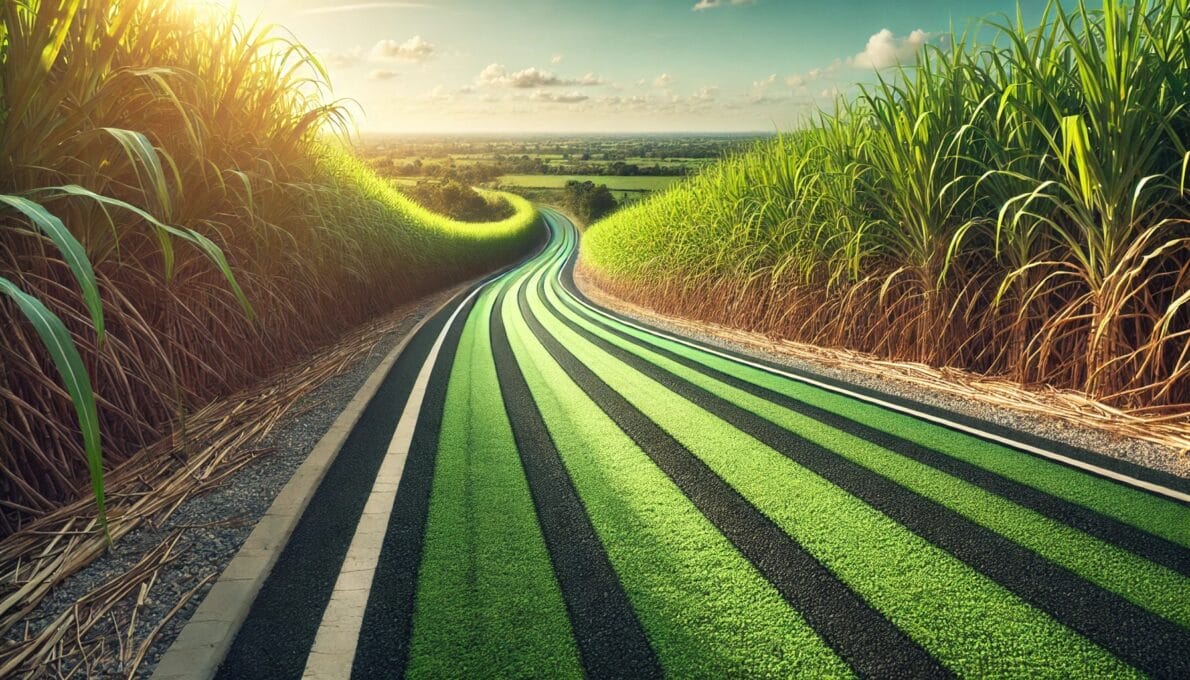


Researchers at UEM Found a Sustainable Solution for Asphalt, Replacing Stone Dust with Cane Bagasse Ash, Improving Resistance and Reducing Costs.
Imagine driving on more sustainable roads, where the asphalt is not just the traditional kind we know, but a mixture that helps the environment and also saves resources? Well, this idea is closer to reality than it seems! A study conducted at the State University of Maringá (UEM) in Paraná investigated the use of cane bagasse ash to improve asphalt mixtures. And the results were really encouraging! Keep reading to find out everything about this cane asphalt.
A New Alternative for Asphalt
It all started with the idea of replacing the famous stone dust, which is one of the traditional components of asphalt, with cane bagasse ash. This waste is generated in large quantities by the sugarcane industry and, until now, did not have a very noble use. But now it can become the new darling of road paving!
ARTICLE CONTINUES BELOWSee also
After decades of failed attempts, Brazil is once again looking to space with an orbital rocket measuring 12 meters, weighing 12 tons, costing R$ 189 million, and scheduled for launch in 2026, in a new race to finally achieve autonomous access to orbit.

The Earth will plunge into a few minutes of darkness in broad daylight in August 2026, when a total solar eclipse transforms the sky into one of the most impressive astronomical phenomena in recent years.

How the terraforming of Mars can transform the planet: artificial aerosols can increase the temperature by up to 35°C in 15 years, creating conditions for liquid water.
Scientists drilled nearly 8,000 meters into the ocean floor above the fault that caused the 2011 tsunami in Japan and discovered that a layer of clay 130 million years old was responsible for making the wave much worse than any model had predicted.

The test was conducted on a section of the BR-158 highway, between Campo Mourão and Maringá, and those who passed by are already driving on this innovation. And guess what, this material swap greatly helped the mechanical performance of the asphalt, meaning it became more resistant and durable, while also reducing the need for mineral aggregates.

Cane Asphalt Combines Sustainability, Quality, and Low Cost
Engineer and researcher Vinícius Hipólito, who led this project, explains that he saw a great opportunity to use this waste to improve the asphalt’s resistance. “It is a material used daily in infrastructure, and we always need to enhance it to optimize our investments”, he states. In other words, the cane asphalt can be a great way to save money while improving the quality of our roads.
But sustainability doesn’t stop there! Besides saving on traditional materials, the use of cane bagasse ash helps reduce the amount of industrial waste, promoting a recycling cycle that is good for the environment. For those focused on sustainable solutions, this is fantastic news.
Innovation Tested and Approved on Brazilian Highways
The results of this experiment didn’t stay just on paper. The team of researchers applied the new cane asphalt on the highways, and the evaluation was more than positive. The material’s resistance was proven in practice, and the partial replacement of stone dust with cane ash not only reduced costs but also delivered superior performance.
It is a solution that is set to be widely adopted, especially on highway segments that are essential for the transportation of crops, like in Mato Grosso, where logistics always need to be up-to-date. And with the use of sustainable materials, the paving of these roads could take on a new look.
Benefits Not Only for Highways, But for the Environment
The idea of using cane bagasse ash in paving goes far beyond what we can imagine. It’s not just about reducing costs or reusing waste, but also about promoting more sustainable infrastructure that meets the country’s new logistical challenges. Brazilian roads are a key point for the economy, and improving their quality can have a positive impact on various sectors.
Additionally, Vinícius Hipólito’s research, which is also affiliated with Conasa Infrastructure, responsible for over 1,500 kilometers of highways, was published in the international journal Scientific Reports. This only reinforces the relevance of the discovery and places Brazil in the spotlight in the search for greener and more efficient solutions for civil construction. The use of cane asphalt may be the first step toward a revolution in how we handle paving, bringing benefits not only for highways but for the environment.








A marginal Tietê foi recapeada ano passado com um asfalto especial.
Bastou uma semana de chuva para esvburacar tudo de novo
Engenheiro civil Hipólito tinha que conversar com engenheiros agrônomo e botânicos!!!! Certamente diriam que as cinzas são produtos nobres importantes para repor nutrientes retirados do solo para novas safras evitando adubações e empobrecimento da terra!!!! Certamente devem existir outros produtos menos nobres para melhorar qualidade das estradas!!!
Será que o governo ****, gastador tem interesse.
Essa solução a propina encurta.