





 Português
  Inglês
  Espanhol
  3 min de leitura
  4 comentários


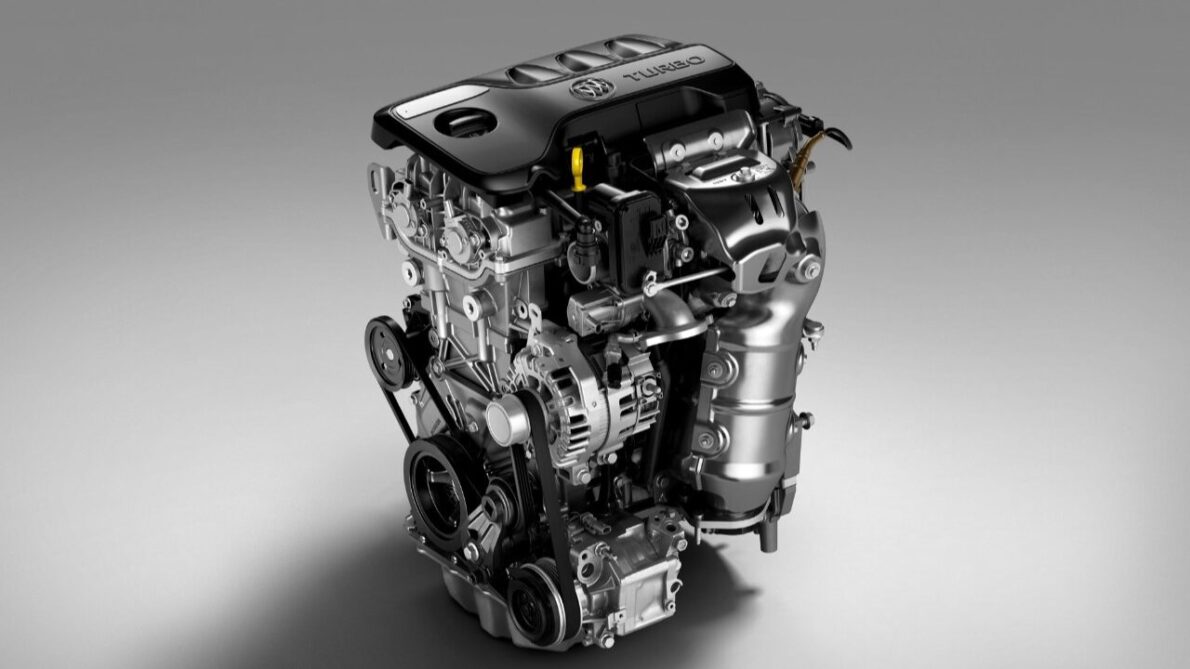


Comparing Turbo and Naturally Aspirated Engines: Discover the Differences in Performance, Comfort, and Fuel Consumption and Find Out Which is Worth It.
With the growing popularity of turbo engines, such as the new Citroen C3, many drivers are rethinking their engine choices. The Chevrolet Onix, one of the best-selling cars in Brazil, offers both turbo and naturally aspirated engines, creating a perfect opportunity to compare these options.
In this article, we will examine the differences between the turbo and naturally aspirated versions of the Onix LT, focusing on performance, fuel efficiency, and financial impact. If you’re considering investing in a car with a turbo engine, keep reading to find out if the price difference is worth it.
Price Differences of Engines and Equipment
Currently, the Chevrolet Onix LT is available in two engine versions: naturally aspirated and turbo.
-
OMODA & JAECOO grows in Europe in 2026 with an integrated strategy of sales, innovation, local production, and technological advancement in the United Kingdom, Italy, and Spain.

-
OMODA & JAECOO expands after-sales service in Brazil with competitive maintenance, a 7-year warranty, and high availability of parts for technological SUVs.

-
OMODA & JAECOO appoints Alessandra Souza as executive marketing director in Brazil and accelerates brand expansion with a focus on innovation, networking, and hybrid portfolio.

-
Jaecoo 7 with super hybrid SHS system exceeds 1,200 km of combined range with a 1.5 turbo engine, high-density battery, and intelligent energy management.

As of August 2024, the naturally aspirated version has a suggested price of R$ 96,990, while the turbo version costs R$ 104,990, a difference of R$ 7,500.
Both versions have a 6-speed manual transmission equipped with similar items, but the turbo version offers some additional features that may influence the buying decision.
The Onix LT Turbo comes with some advantages in terms of equipment, such as a steering wheel with height and depth adjustment, and the possibility to add items like a rearview camera, automatic headlights, and a keyless entry system.
These additional features can provide greater comfort and a more adjustable driving position, which can be an important factor in heavy traffic situations.
The naturally aspirated version, on the other hand, does not offer these items as options.
Performance and Comfort
One of the main differences between the naturally aspirated and turbo versions of the Chevrolet Onix lies in engine performance.
The turbo engine delivers 16.8 kgfm of torque at just 2,000 rpm, compared to 10.6 kgfm at 4,100 rpm in the naturally aspirated version.
This means that the turbo version offers more power at lower revs, which can result in a more agile driving experience and less need to downshift to achieve the same performance.
In terms of acceleration, the Onix LT Turbo can go from 0 to 100 km/h in 10.1 seconds and reach a top speed of 187 km/h.
The naturally aspirated version takes 13.3 seconds to reach 100 km/h and achieves a top speed of 167 km/h.
While the difference may seem small, the turbo engine is quieter and more efficient, contributing to a superior driving comfort.
Fuel Consumption
Contrary to common belief, the turbo version of the Onix does not have a significantly higher fuel consumption than the naturally aspirated version.
According to data from Inmetro, the naturally aspirated version has a consumption of 13.3 km/l in the city and 16.5 km/l on the highway with gasoline, while the turbo version consumes 13.1 km/l in the city and 16.1 km/l on the highway.
With ethanol, the Onix LT naturally aspirated achieves 9.3 km/l in the city and 11.4 km/l on the highway, while the turbo records 9.1 km/l in the city and 11.1 km/l on the highway.
Thus, the difference in fuel expenditure between the versions is minimal.
Depreciation and Conclusion About the Engine
Considering depreciation, the naturally aspirated version of the Onix loses 11% of its initial value after purchase, compared to 11.4% for the turbo version.
After one year, depreciation increases to 2.6% for the naturally aspirated and 6.7% for the turbo. In the FIPE table, the 2023 Onix LT naturally aspirated is currently valued at R$ 73,886, while the turbo is valued at R$ 74,279.
The difference in depreciation is small, but the turbo version maintains a better level of comfort, safety, and performance.
In summary, when considering cost-benefit, the Chevrolet Onix LT Turbo stands out as a more advantageous option.
Despite the higher price, it offers superior performance, more comfort and safety, with fuel consumption practically equal to that of the naturally aspirated version.
The difference in depreciation is also minimal, making the investment in the turbo engine a more accurate choice for those seeking a more efficient and enjoyable driving experience.










Muito bom mesmo
A desvalorização aumenta de 11% para 2,6% ?
11% após a compra e mais 2,6% depois de um ano ou seja total de 23,6%
Digo 13,6%