





 Portuguese
  English
  Spanish
  2 min of reading


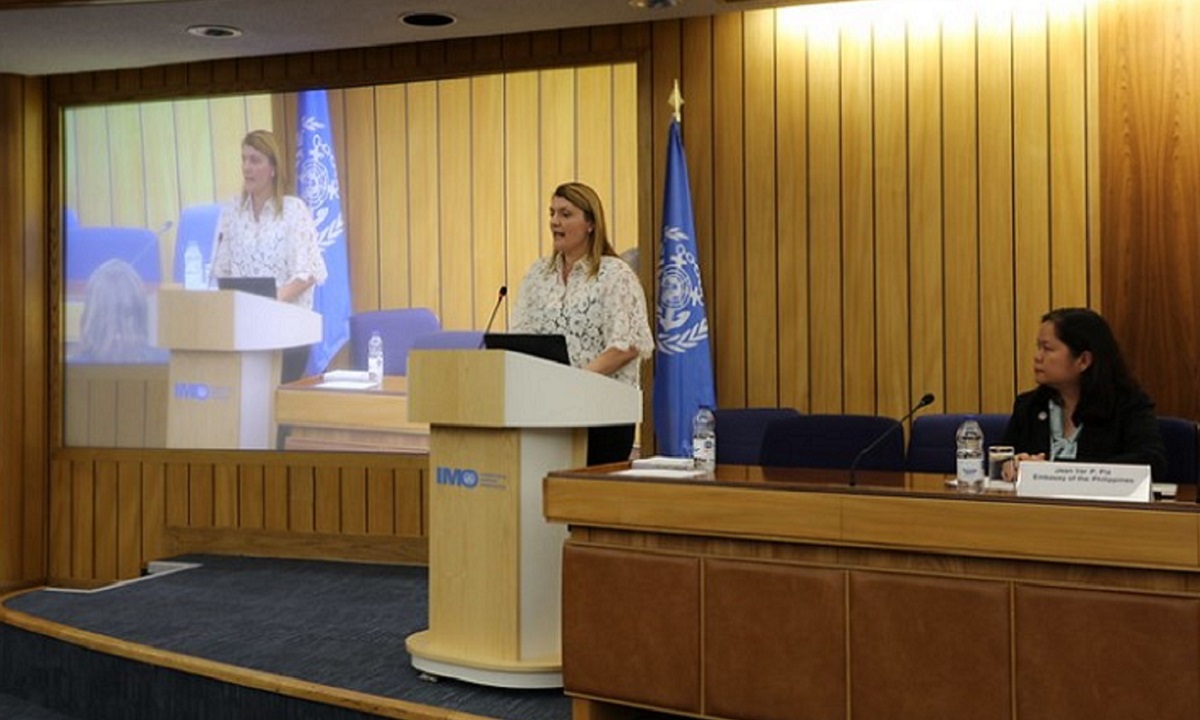
The Objective Of The Research Conducted Was To Confirm Whether Women Working In The Offshore Sector Suffered Any Discrimination And How It Occurred On Ships
The research was conducted by Wista in collaboration with Anglo Eastern, International Seafarers Welfare and Assistance Network (ISWAN), and International Chamber of Shipping (ICS). The main goal was to understand how women working in the offshore sector dealt with “discrimination” and how it manifested aboard based on their personal experiences.
The research involved 1,128 women from 78 countries, with the Philippines (399) having the highest proportion of discrimination, followed by the United States (98), the United Kingdom (57), South Africa (51), Brazil (47), India (41), Peru (36), Colombia (35), and Indonesia (35).
Of the majority of offshore women, about 90% work on cruise ships, while the rest work on cargo ships, tankers, container ships, general cargo ships, chemical tankers, bulk carriers, and tugboats.
-
Historic bankruptcy of Centauro shocks the market, and the century-old company puts more than 500,000 products, machines, and complete infrastructure up for online auction.

-
New shoe factory in Ceará is expected to create 400 jobs and strengthen the local economy.
-
No one imagined it, but a mixture of sawdust with a mineral that fights fires surprises scientists with a result that changes the course of fire-resistant construction.

-
From empty land to a high-end house, wooden construction uses a lightweight system, metal structure for the foundation, ventilated ceramic cladding, and special windows to create an efficient and comfortable living space throughout the year.


How Does An Oil Platform Work?


Interview Data
The majority of women interviewed reported encountering gender discrimination aboard, while the other part reported 40% stated there was no such discrimination.
A total of 34% of offshore women acknowledged feeling alienated or neglected due to their gender, while 29% of the respondents experienced harassment and bullying aboard the ships.
Additionally, 66% of women agree that male employees have begun to harass or intimidate female coworkers, said WISTA.
Survey Statistics
- The survey considered 1128 female seafarers from 78 countries;
- 60% of women reported encountering gender discrimination aboard ships;
- 66% of women report that male employees harass and intimidate female coworkers;
- 25% say that in the offshore sector, physical and sexual harassment is common, occurring aboard and involving intrusions into their privacy;
- 13% mentioned that they were approached in an offensive manner;
- 70% of women affirm that their male colleagues perpetuate offensive harassment aboard;
The research also enabled the collection of data on harassment and bullying policies from offshore companies, as well as company hotlines. The impact of the pandemic on women’s experiences aboard provides insights on how companies can operate in the sector to promote gender diversity and eliminate bias.









Seja o primeiro a reagir!