





 Portuguese
  English
  Spanish
  4 min of reading
  0 comments


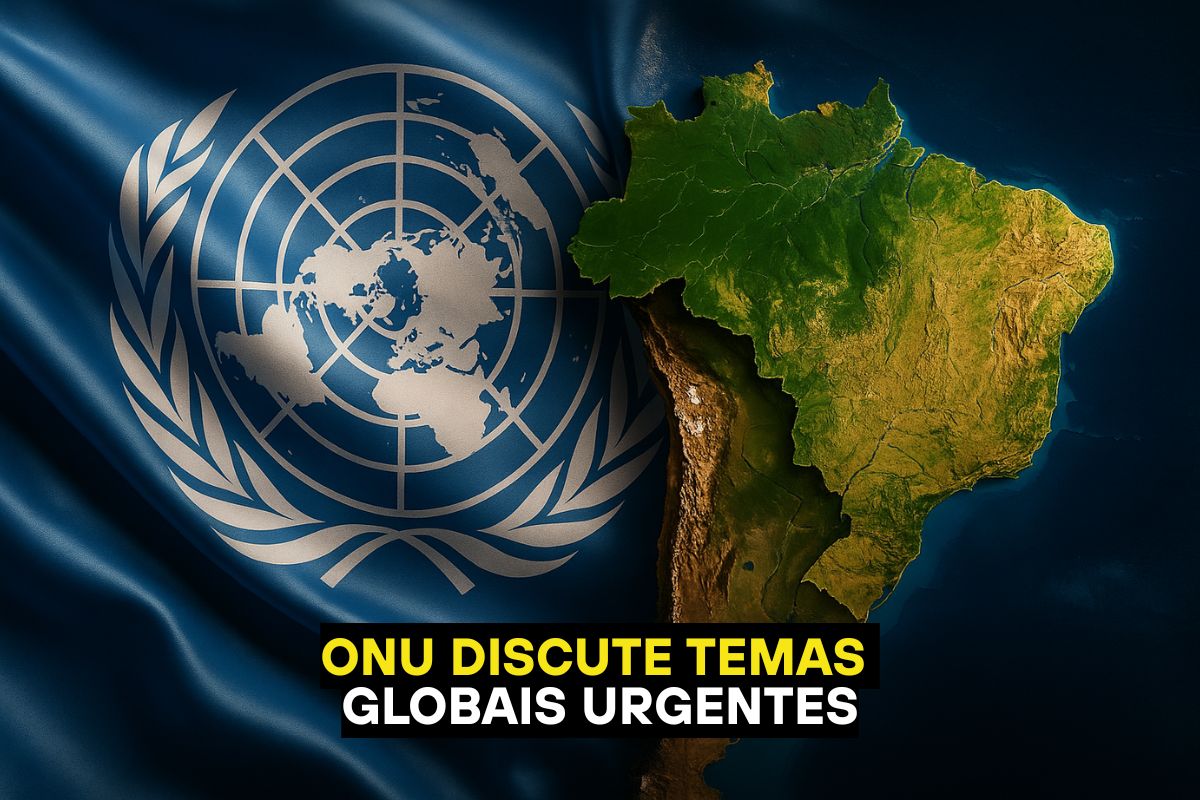
Meeting Brings Together 193 Countries in New York to Discuss Conflicts, Trade, Climate, and Human Rights on a Stage Where Brazil Traditionally Opens the Addresses.
The UN General Assembly reaches its 80th edition amid a turbulent international scenario marked by wars, trade tensions, and political disputes. The event is considered the most representative forum of global diplomacy, gathering all 193 member states on equal terms, in the format of “one country, one vote”.
According to g1, this year’s summit began on September 9 and will peak starting on the 23rd with the General Debate.
It is at this stage that heads of government speak at the UN headquarters in New York, and as tradition dictates, Brazil opens the round with the address from the president.
-
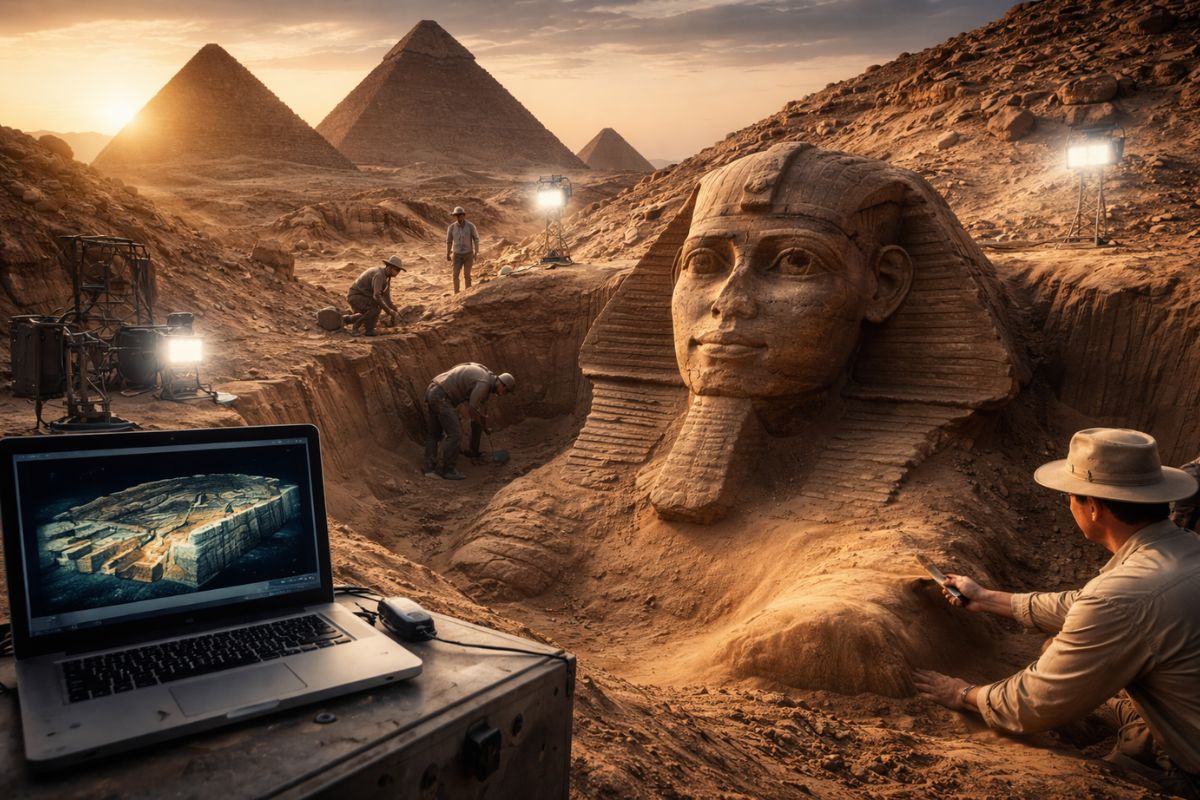
Italian researchers have detected what appears to be a second Sphinx buried under the sands of Egypt, and satellite scans reveal a gigantic underground megastructure hidden beneath the Giza Plateau for over 3,000 years.
-
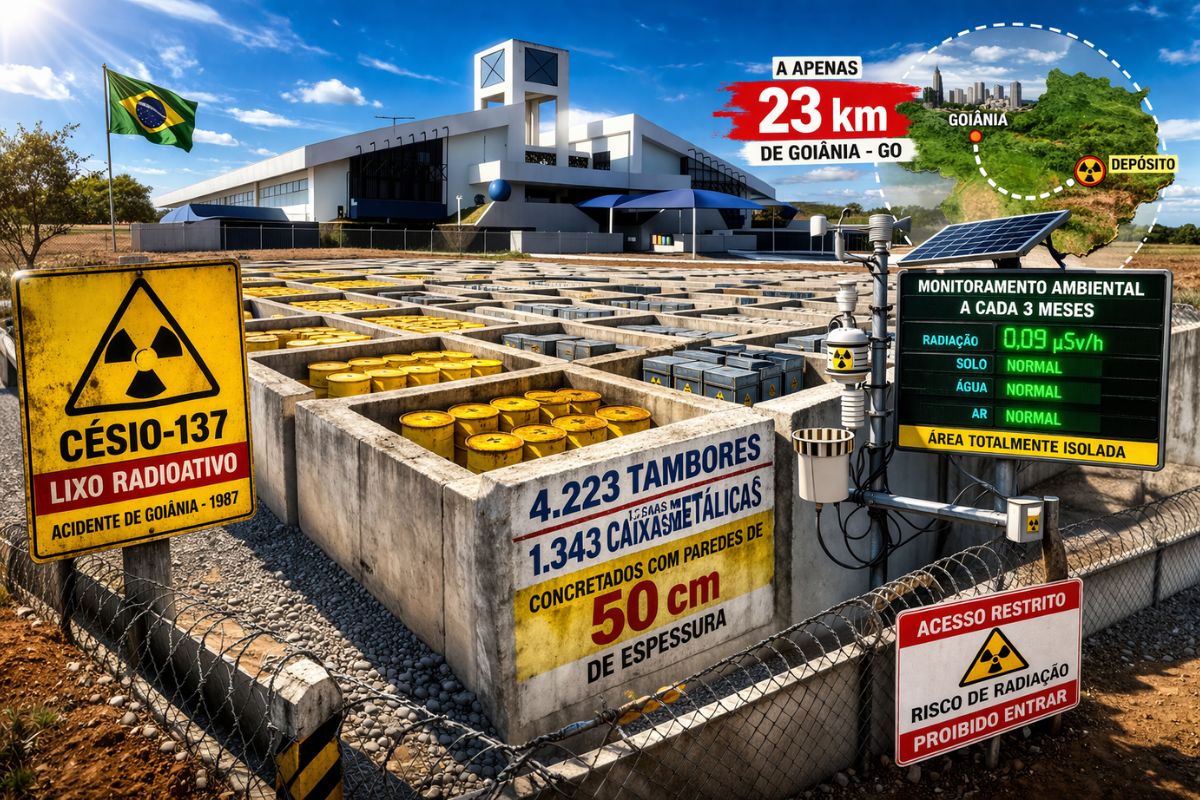
There are 4,223 drums and 1,343 metal boxes concreted with 50-centimeter walls that store the radioactive waste from Cesium-137 in the worst radiological accident in Brazil, just 23 kilometers from Goiânia, with environmental monitoring every three months.
-
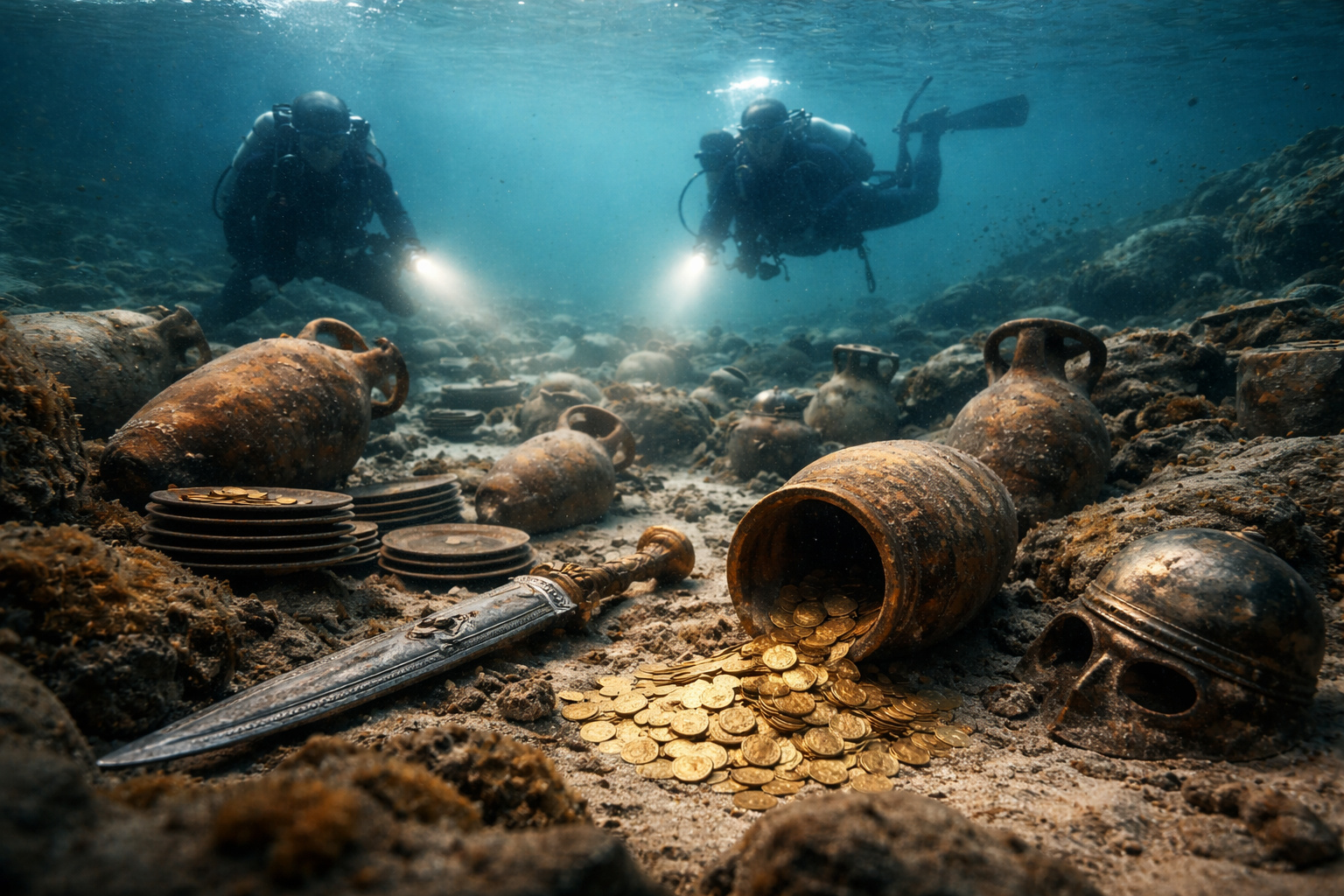
Giant Roman treasure found at the bottom of Lake Neuchâtel in Switzerland reveals an advanced trade system, circulation of goods, and armed escort in the Roman Empire about two thousand years ago.
-
He buried 1,200 old tires in the walls to build his own self-sufficient house in the mountains with glass bottles, rainwater, and an integrated greenhouse.


What is the UN General Assembly
Created in 1945, the General Assembly is the central deliberative body of the United Nations. Unlike the Security Council, where only a few countries have veto power, here all members have equal weight in votes.
Although resolutions are not legally binding, they serve as political and moral guidelines for the international community.
According to g1, this space ensures visibility for developing countries that would unlikely have the same prominence in more restricted instances.
Brazil, for example, uses the podium to reinforce positions on sovereignty, the environment, and international cooperation.
Themes Under Discussion in 2025
The agenda of the Assembly is broad and includes political, economic, environmental, social, and security issues.
In addition to the General Debate, specific summits on climate change, the global economy, and advancements of the Sustainable Development Goals (SDGs) are held.
This year, according to g1, meetings are planned regarding the recognition of the Palestinian state, preparation for COP30 in Belém, and the launch of an international dialogue on artificial intelligence governance.
These topics reflect the urgency of addressing both immediate conflicts and long-term technological transformations.
Assembly Under International Pressure
The General Assembly never occurs in isolation from the global context. In 2025, the backdrop includes the continuation of the war in Ukraine, attacks in Gaza, and an increase in trade barriers spurred by the United States.
These conflicts make the search for consensus even more complex.
Another point of tension is China’s rise and its network of alliances, built through the New Silk Road.
This dynamic alters the correlation of forces and influences negotiations as the US adopts a more reclusive stance towards multilateral organizations.
Who Leads the Proceedings
Every year, a president is elected to conduct the UN General Assembly, always respecting the rotation among geographic groups.
In 2025, the presidency is in the hands of Germany’s former Foreign Minister Annalena Baerbock. Her role is to organize the schedule, open and close sessions, and ensure all countries have the right to speak.
Why Brazil Opens the Addresses
The Brazilian prominence in opening the General Debate is not by chance. Since 1947, the country has volunteered to inaugurate the addresses, and the tradition has been maintained to this day.
The gesture has consolidated as a diplomatic hallmark, allowing Brazil to present its priorities before the major powers.
According to g1, Lula is expected to adopt a critical tone towards unilateral sanctions and external pressure on Brazil, as well as advocate for the reform of international governance.
The Brazilian address will be followed by the speech from the representative of the United States, as traditionally occurs since it is the host country of the UN.
What is the Weight of the Resolutions
Although they are not binding, the resolutions of the General Assembly establish normative standards that influence international politics.
Often, they serve as an initial step for future negotiations of more robust and legally binding treaties.
Experts interviewed by g1 emphasize that even without legal force, these decisions act as a showcase of each country’s positions and as an instrument of global public opinion pressure on governments.
The UN General Assembly continues to be one of the largest stages of international politics, where all countries can express themselves on equal terms, albeit with limited effects.
For Brazil, opening the addresses means maintaining relevance and reaffirming its role as a mediator in times of instability.
In your opinion, should Brazil use this space to confront the powers or adopt a more conciliatory tone? What do you expect from Lula’s speech at the UN this year?
Leave your thoughts in the comments—we want to hear from those closely following this global scenario.










-

Uma pessoa reagiu a isso.