





 Portuguese
  English
  Spanish
  3 min of reading


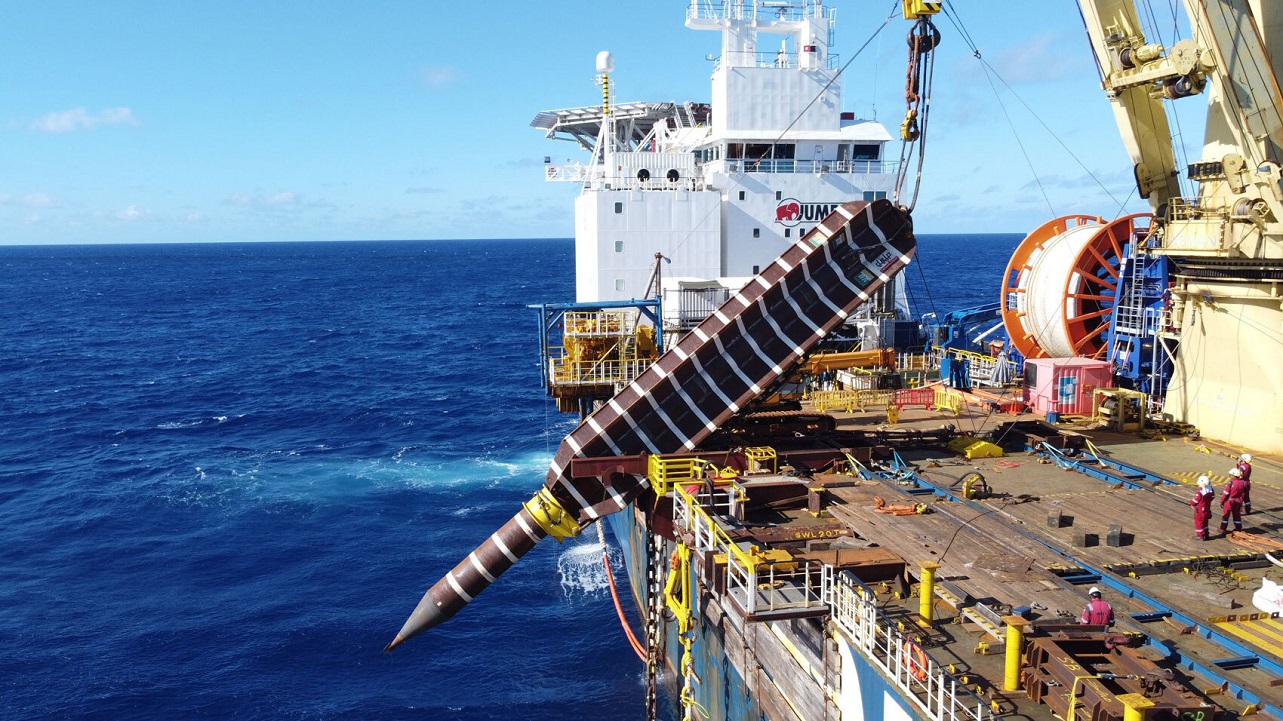
In Rare Evidence, The Video Shows How This Type Of Operation In Offshore Oil And Gas Environments Is Essential To Keep Fixed Maritime Units At A Production Point
Operated through a type of support ship or vessel, the torpedo anchor is a specific type of anchor used to secure oil platforms and Floating Production, Storage and Offloading Units (FPSO) on the seabed. These offshore structures are critical for the exploration and production of oil and gas in deep waters and need to be kept stable and secure in their designated positions. The torpedo anchor plays a key role in this anchoring process.
A video shared on social media shows the exact moment a vessel performs the operational maneuver of the tool. Check it out below:
Video: Launching A Torpedo Anchor
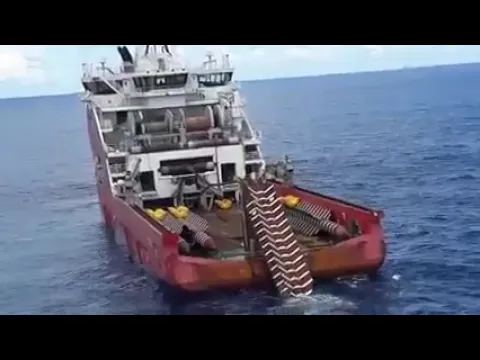

The torpedo anchor has an aerodynamic shape and is made of high-strength steel. It is designed to be launched to the seabed and penetrate the seafloor due to its shape and falling speed. When buried in the ground, the anchor creates significant resistance that prevents the platform or FPSO from moving.
-
The rise in oil prices could ensure an extra revenue of R$ 100 billion for the Federal Government, indicates a recent economic study.

-
Naturgy begins an investment of R$ 1.6 million to expand the gas network in Niterói and benefit thousands of new residences and businesses.

-
A major turn in the Justice system suspends tax increases and directly impacts oil and gas companies in Brazil by affecting costs, contracts, and financial planning, leaving uncertain what could happen to the sector if these costs had increased.

-
Brava Energia begins drilling in Papa-Terra and Atlanta and could change the game by reducing costs in oil while increasing production and strengthening competitiveness in the offshore market.
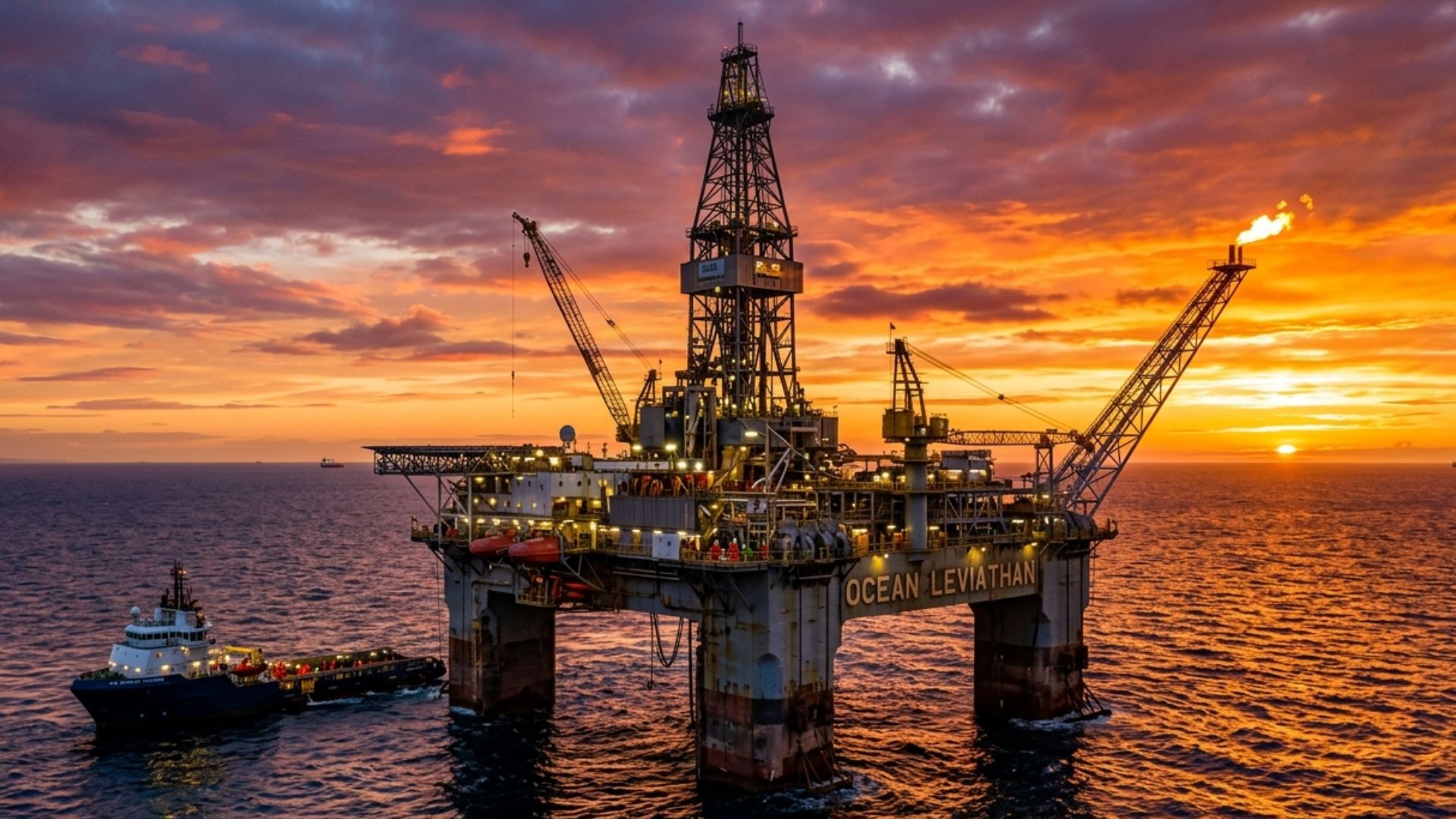

The Main Advantages Of The Torpedo Anchor Include:
- Efficient Anchoring Capacity: The torpedo anchor can quickly penetrate the seafloor and provide stable and secure anchoring for the platform or FPSO.
- Simplified Installation: Compared to other types of anchors, the torpedo anchor has a simpler and quicker installation process, as it does not require drilling or excavation equipment, just a ship or support vessel designed for it.
- Reduction Of Installation Costs: The ease and speed of installing torpedo anchors can significantly reduce the costs associated with anchoring offshore platforms and FPSOs.
- Application In Different Types Of Soil: The torpedo anchor can be used in various types of seabed, such as clay, sand, and gravel, increasing its versatility.
In summary, the torpedo anchor serves to efficiently and securely anchor oil platforms and FPSOs on the seabed, ensuring the stability and safety of these offshore structures during oil and gas exploration and production operations.
++++See Also: Petrobras Orders 34 Anchoring Torpedoes For FPSO Mero 1 From A Company In Belo Horizonte
Tips For Launching A 120-Ton Torpedo Anchor
- Ensure that the launch site is free of obstacles and has enough space to accommodate the anchor.
- Position the anchor at the launch site and attach it to the launching system. The launching system should be designed to handle the weight of the anchor and provide secure support during the launch.
- Check that all systems are functioning correctly and that there are no defects or issues that could cause a failure in the launch.
- Start the launch process by activating the launching system. This may involve hydraulic or pneumatic systems, depending on the design of the launching system.
- Apply force to the anchor in the direction of the launch. This can be done using a winch or other mechanical device.
- Monitor its trajectory and make necessary adjustments to the launching system as the anchor begins to move.
- Continue applying force to the anchor until it reaches the desired location.
- Release it from the launching system and secure it in place using appropriate mooring cables as soon as the anchor is successfully launched.
- Carry out a post-launch inspection to ensure that all systems are still functioning correctly and that there was no damage to the anchor during the launch process.
- Record the launch details, including the date and time of launch, the weight of the anchor, the launching system used, and any other relevant information.
Launching a 120-ton torpedo anchor is a complex and potentially dangerous operation that requires careful planning, attention to detail, and proper training. It is important to follow all safety protocols and procedures to minimize the risk of injury or damage during the launch process.
Via: Benedito Lupercio Araujo Benedito, Master with CoC Unlimited And Unlimited DP License.







-

Uma pessoa reagiu a isso.