





 Portuguese
  English
  Spanish
  4 min of reading
  0 comments


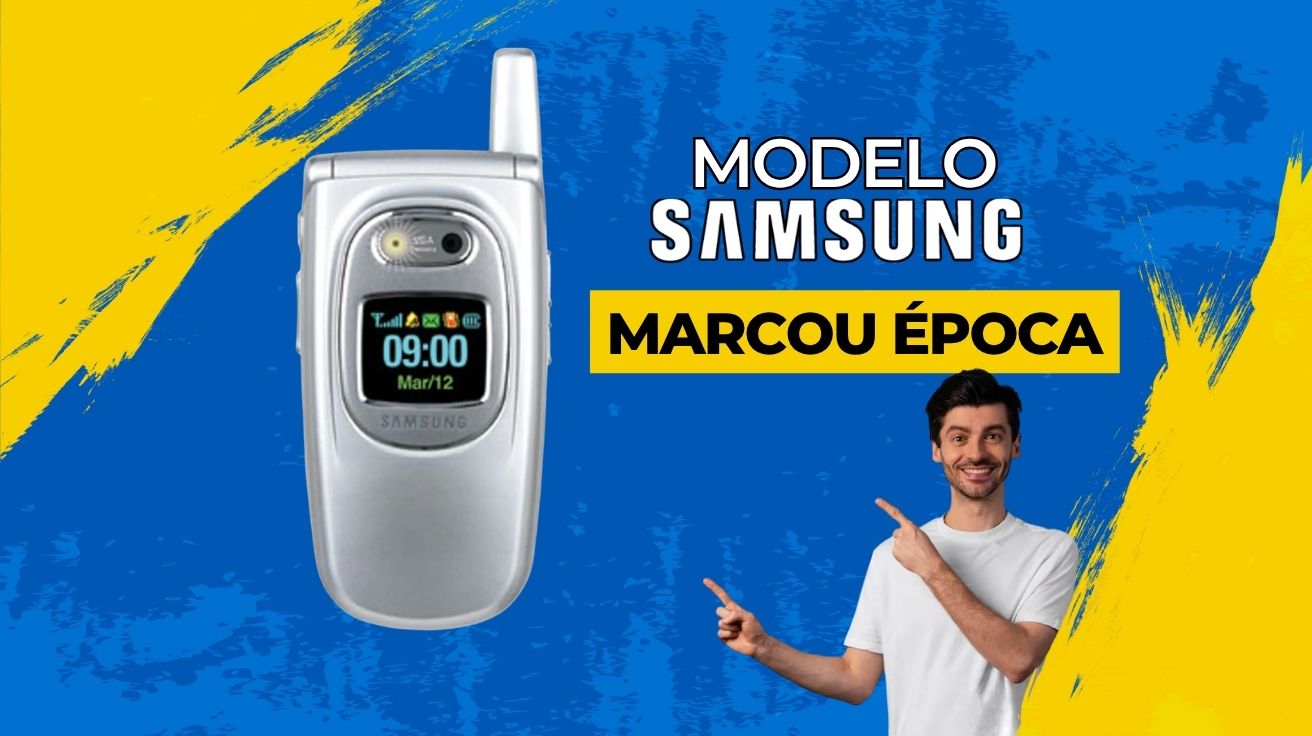
In 2004, a Cell Phone from Samsung Generated Such Curiosity in Stores That Its Batteries Had to Be Removed from Display to Avoid Excessive Use of the Most Attractive Feature of the Model.
Twenty years ago, when cell phones had not yet transformed into smartphones and foldable models were nothing more than flip devices, Samsung Introduced a Model That Caught the Market’s Attention for an Unusual Reason.
The Samsung P510, besides standing out for its robust design and the typical structure of cell phones at the time, featured a unique aspect that became an attraction in stores: a button with automatic opening of the top cover.
Button with Automatic Opening Became an Attraction in Stores
The innovation, although simple, Provoked Unexpected Reactions.
-
The Argentine government celebrates the lowest poverty rate in 7 years, but experts warn that the methodology has changed, real wages have fallen, unemployment has risen, and the number of people on the streets of Buenos Aires has increased by 57% since Milei took office.

-
7.8 magnitude earthquake in Indonesia frightens the population, triggers tsunami alert, and hits an island with over 200,000 inhabitants this Thursday.

-
Google will finally let you change that embarrassing Gmail address you created in your teenage years without losing any accounts, logins, or old emails: the feature is already available in the United States.

-
Heading to Brazil in a Bonanza F33 single-engine aircraft: a couple departs from Florida on a visual flight, makes technical stops in the Caribbean to refuel and organize paperwork, and begins the staged crossing until they reach the country.


The button allowed the user to open and close the phone with a single touch, eliminating the manual effort common in flip models.
This automatic function, unprecedented in many markets, ended up awakening not only the curiosity of those passing by the operator and retailer booths but also repetitive use by consumers who visited the stores just to test the feature, without any real intention to buy.
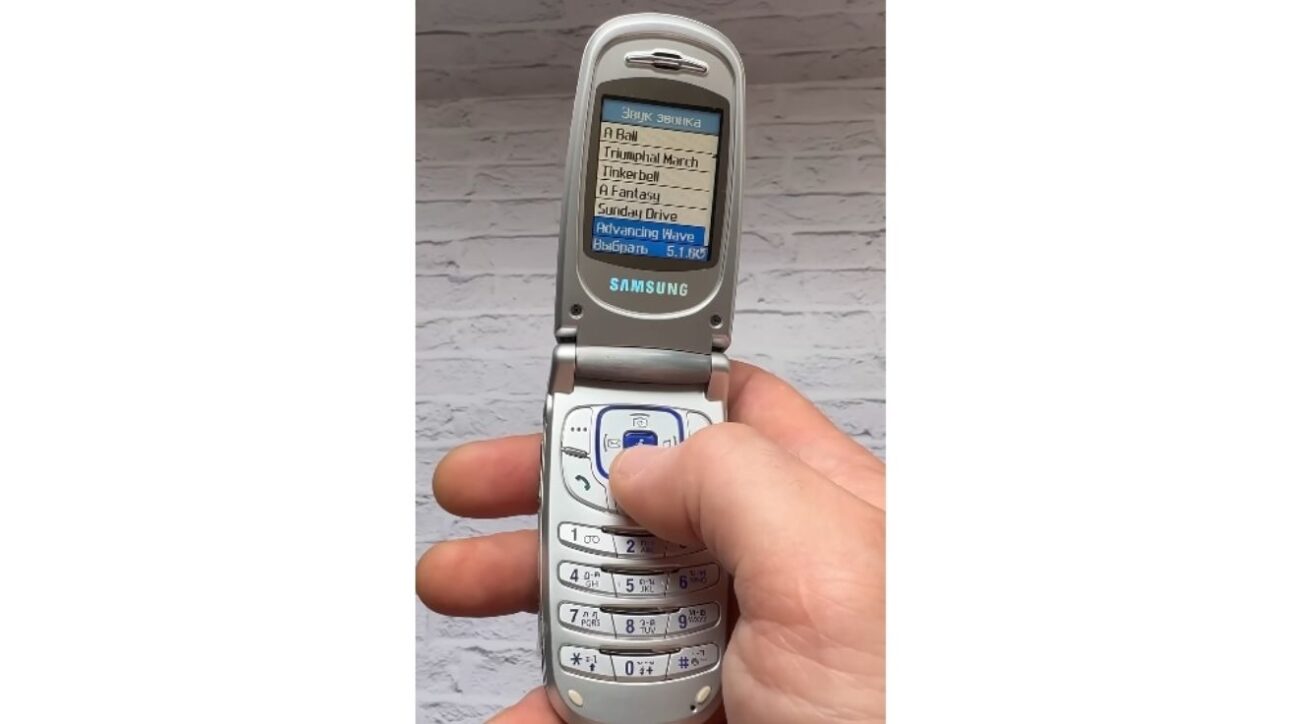
The demand to experience the mechanism was so intense that several stores opted to temporarily remove the batteries from the demonstration units.
According to reports from the time, the goal was to prevent continuous use by people who ended up draining the batteries’ charge with constant openings, which harmed the experience of customers genuinely interested in purchasing the product.
The button’s operation was straightforward: when pressed, it activated a small motor that made the top part of the phone open automatically.
This feature, although it did not have significant technical utility, offered a sensory experience that pleased consumers.
In an era dominated by physical keys and small displays, any visual or tactile differentiator had the potential to impact purchasing behavior.
Videos from the Time, such as those available on specialized channels like RetroMobile, show how the automatic opening worked in practice.
The sensation of interactivity and control that the button provided transformed the use of the device into an almost addictive action for some consumers.
Technical Specifications of the Samsung P510
Even with the innovative button, the Samsung P510 adhered to the technological limitations common to phones of its time.
The device operated on GSM 900/1800 networks, used a Mini-SIM card, and offered two screens: an internal TFT with 65 thousand colors and a resolution of 128 x 160 pixels, and an external OLED with 16 colors and blue backlighting.
Among other highlights were the 0.3-megapixel VGA camera with LED flash and video recording capability, as well as 4 MB of internal memory for images, 1.4 MB for multimedia messages (MMS), and 512 KB reserved for Java applications.
The model did not have a memory card slot, which significantly limited its storage capacity.
The phonebook could accommodate up to a thousand contacts, with support for groups and photo ID calls.
In messages, the phone was compatible with SMS, EMS, and MMS.
Internet browsing was done through the WAP 2.0/xHTML browser, a primitive version compared to current mobile browsers.
The removable lithium-ion battery, with a capacity of 1,000 mAh, guaranteed up to 310 hours in standby mode and approximately five hours of talk time.
These numbers, considered satisfactory in 2004, were consistent with the usage patterns and energy consumption of the time.
Launch Overshadowed by the Arrival of the Motorola Razr V3
The launch of the Samsung P510, however, coincided with the arrival of one of the most iconic cell phones in history: the Motorola Razr V3.
With its ultra-thin design and metallic finish, Motorola’s model quickly became a desire not only among technology enthusiasts but also in the luxury and fashion market.
While the P510 had a thickness of about 2.4 centimeters, the Razr V3 was just over half that measurement.
The visual difference was decisive.
The public, especially young people, quickly migrated to the new concept of a stylish and minimalist phone.
The design started to weigh more in the purchasing decision than isolated functionalities, such as the automatic opening button.
Even with its hardware limitations and intense competition, the P510 left a mark among the flip phones of its generation, especially for managing to transform a mechanical detail into a mass attraction element, even if for a limited time.
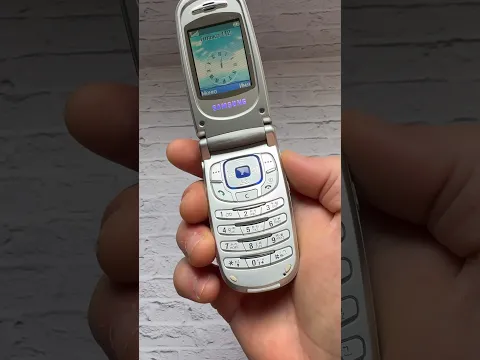

A Tactile Experience That Marked an Era
At that time, interaction with mobile phones was still heavily tactile.
There were no touch screens or virtual assistants.
Therefore, the simple act of pressing a button and seeing the device open by itself had a real impact on the perception of innovation.
Some internet forums, such as those on the GameStar community, still hold records of sales or discussions about the model, evidencing the interest that the P510 continues to spark in retro technology enthusiasts.
With more than two decades of distance, the cell phone may now seem like just a nostalgic curiosity, but it represented a legitimate effort by Samsung to stand out in an increasingly competitive market where every detail could mean advantage.
After all, what makes a cell phone memorable: technological innovation, bold design, or a simple button that activates an automatic cover?








-

Uma pessoa reagiu a isso.