





 Portuguese
  English
  Spanish
  4 min of reading
  0 comments


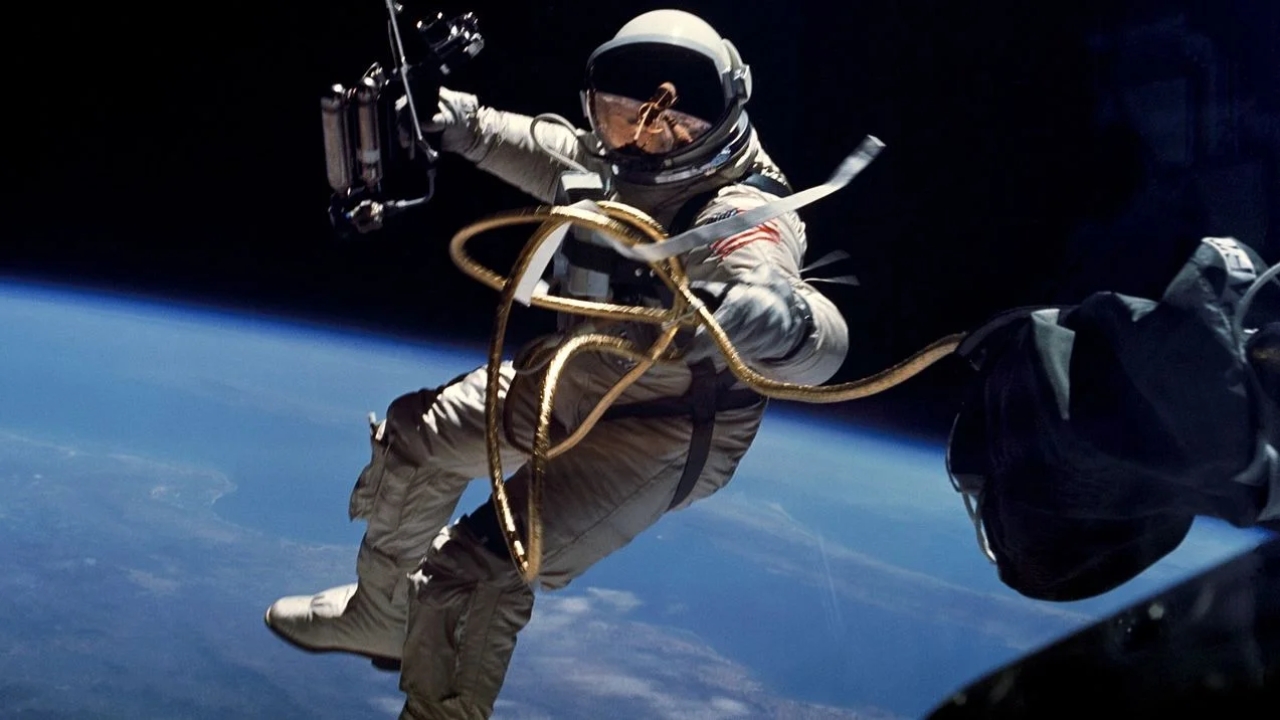
Space is affecting human blood in a way that worries scientists, and the signs seen in healthy astronauts could change long mission plans
The human body continues to show that space comes at a high price. The more we advance in the idea of long missions, the clearer it becomes that adapting outside of Earth is far from simple.
Now, the strongest signal comes from the blood. Red blood cells, platelets, and cells responsible for blood formation have entered the center of the discussion about the limits of human presence in deep space.
Short missions have already exposed important effects on the body
Even on relatively short trips, the signs draw attention. One of the studies cited evaluated 14 NASA astronauts who flew between 1998 and 2001, on missions of about 12 days.
-
In a flooded well, archaeologists found a 1,700-year-old Roman egg that still contains clear and yolk intact inside the very thin shell.

-
Something is happening around the Earth: Inside the huge explosion of fireballs in 2026

-
A hot air bubble coming from Argentina expands over Brazil, causing thermometers to exceed 38 degrees with a thermal sensation of 40 degrees in late March, affecting 6 states at once.

-
The radish leaf that almost everyone throws away has more polyphenols, flavonoids, and fiber than the consumed root, and a 2025 study showed that the leaf contains compounds that protect the intestine, combat inflammation, and may inhibit the growth of cancer cells.

Samples were collected before the flight, upon landing, and a few days later. The results helped show that changes in the blood can appear early, even in younger crews in good physical condition.
Somatic mutations increase monitoring of astronaut health
The tests revealed somatic mutations, which are changes acquired over a lifetime and that do not pass from parents to children. They appeared in hematopoietic stem cells, which are the cells in the bone marrow that produce blood.
This type of finding is concerning because it may be linked to what is called clonal hematopoiesis, when blood cells begin to arise predominantly from a single clone. This does not mean immediate disease, but it can increase the risk of cardiovascular problems and some blood cancers over time.
Space radiation and extreme environment weigh on blood formation
Space brings together factors that continuously pressure the body. Space radiation appears as one of the main suspects behind these changes, especially when considering longer missions far from Earth’s natural protection.
This extreme environment helps explain why blood formation has come to be seen as one of the most delicate points of modern space exploration. The alert gains more strength when different findings begin to point in the same direction.
Destruction of red blood cells reinforces the risk of persistent anemia
Another relevant finding is the accelerated destruction of red blood cells in space. When the body destroys more cells than it can replace, the result can be persistent anemia.
This effect amplifies concern because recovery is not immediate. In previously described scenarios, normalization can take up to 1 year, which weighs on the astronaut’s physical capacity and on medical planning after the mission.
Unstable platelets make coagulation balance more difficult
Platelets have also come into focus. In microgravity, their behavior can become dysregulated, complicating one of the body’s most important systems in emergency situations.
The problem is that blood can become more prone to clots and, at the same time, respond poorly when coagulation needs to act quickly. This clash between opposing risks creates a difficult scenario for any simple medical response.
Youth and good health of astronauts made the result more impactful
The evaluated astronauts had an average age of around 42 years. About 85 percent were men, and some of them were on their first space mission, which makes the result even more relevant.
The surprise did not come only from the finding itself but from the profile of the group. They were healthy, trained, and relatively young individuals, precisely the type of population in which such changes tend to attract more attention when they occur.
First medical evacuation from the ISS reinforces that the topic has left theory
The discussion gained more strength with the first medical evacuation from the ISS this year. The episode helped consolidate the perception that space medicine no longer deals only with hypotheses or remote scenarios.
With more people in orbit and ambitious projects on the horizon, health has ceased to be a technical detail. It has become a central piece in the risk assessment for any long-duration crewed mission.
The decisive point is that finding these changes does not mean that astronauts will necessarily develop serious diseases. Still, the set of signs raises the level of concern and reinforces the need for continuous blood tests throughout their careers and even after retirement.
In practice, going to Mars becomes more complex than it seemed. The barrier is not just technological or operational. It also involves blood, radiation, and the human capacity to endure deep space for long periods, which changes the strategic outlook.






Seja o primeiro a reagir!